Module Features
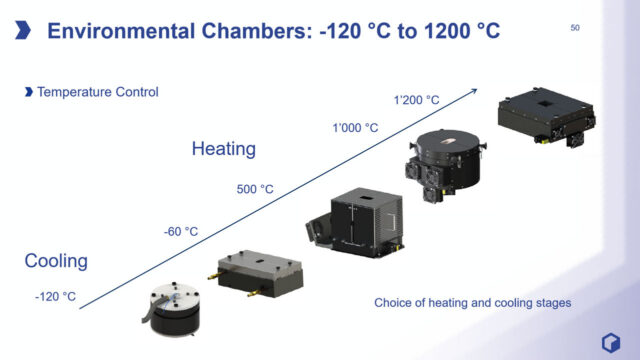
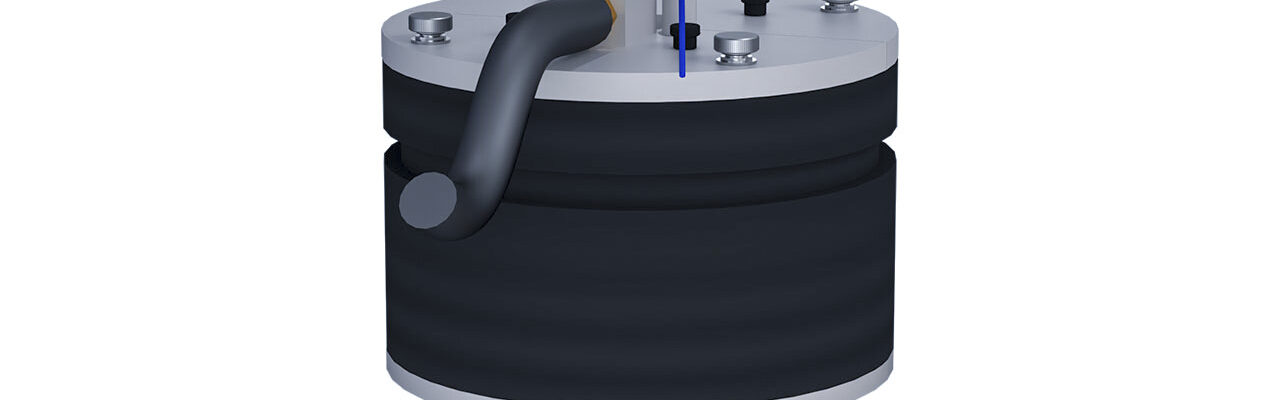
- Nitrogen based cryogenic -120°C chambers
- Non cryogenic -50°C chambers
- Close loop temperature control
- Several interchangeable low temperature test modules
Why Study Cryogenic Tribology?
The rapid growth of space exploration, hydrogen technologies, LNG infrastructure, quantum computing, superconducting systems, aerospace, and electric vehicles is driving demand for reliable cryogenic tribology testing. At extremely low temperatures, friction, wear, lubrication, and material properties can change dramatically, making conventional room-temperature testing insufficient. Cryogenic tribology enables engineers to evaluate lubricants, coatings, bearings, seals, polymers, ceramics, and advanced materials under realistic operating conditions, improving durability, efficiency, and reliability while accelerating the development of next-generation products for extreme environments.
This version is optimized for SEO with high-value keywords such as cryogenic tribology, low-temperature tribology, cryogenic friction, cryogenic wear, hydrogen technologies, space tribology, LNG, quantum computing, and superconducting systems, while clearly explaining why this type of testing is increasingly important.
Rtec-Instruments low temperature tribology
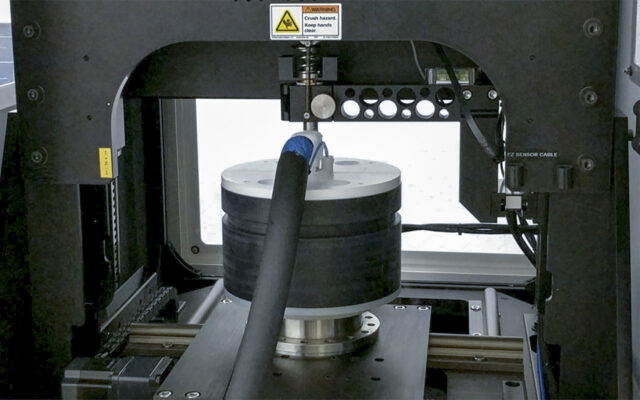
Rtec Instruments provides advanced cryogenic tribology systems for friction, wear, lubrication, and surface characterization down to −120°C. Simulate real operating conditions using a wide range of loads, speeds, motions, and environmental controls while measuring friction, wear, force, acoustic emission, temperature, displacement, electrical contact resistance (ECR), and other parameters in real time. Ideal for evaluating lubricants, coatings, bearings, seals, polymers, metals, ceramics, and advanced materials used in aerospace, hydrogen, LNG, quantum computing, superconducting technologies, and other extreme-environment applications.
This version emphasizes the flexibility of your modular platform, highlights advanced measurement capabilities, and naturally incorporates high-value SEO keywords such as cryogenic tribology, cryogenic tribometer, low-temperature friction testing, wear testing, surface characterization, ECR, hydrogen technologies, LNG, quantum computing, and superconducting systems. It also differentiates Rtec by stressing the breadth of measurable parameters rather than simply stating that the instrument operates at low temperatures.
Test Range Summary
- Motions – Rotary, reciprocating, linear, block on ring
- Loads – mN to 10’000 N
- Speeds – 0.001 to 10’000 rpm or 300 Hz
Future-Proof Your Tribology Laboratory
The Rtec modular tribometer is designed to grow with your research. A wide selection of interchangeable modules enables everything from cryogenic friction and wear testing to lubrication, coatings, fretting, rolling contact fatigue, reciprocating motion, scratch, adhesion, and electrical tribology on a single platform. Instead of purchasing multiple dedicated instruments, expand your capabilities by simply adding new modules—reducing cost, maximizing laboratory efficiency, and ensuring your investment remains valuable for years to come.
I particularly like “One Platform. Unlimited Possibilities.” because it reinforces one of Rtec’s strongest differentiators: a modular, upgradeable tribology platform instead of a single-purpose instrument. This is a compelling message for customers comparing Rtec with traditional standalone tribometers.