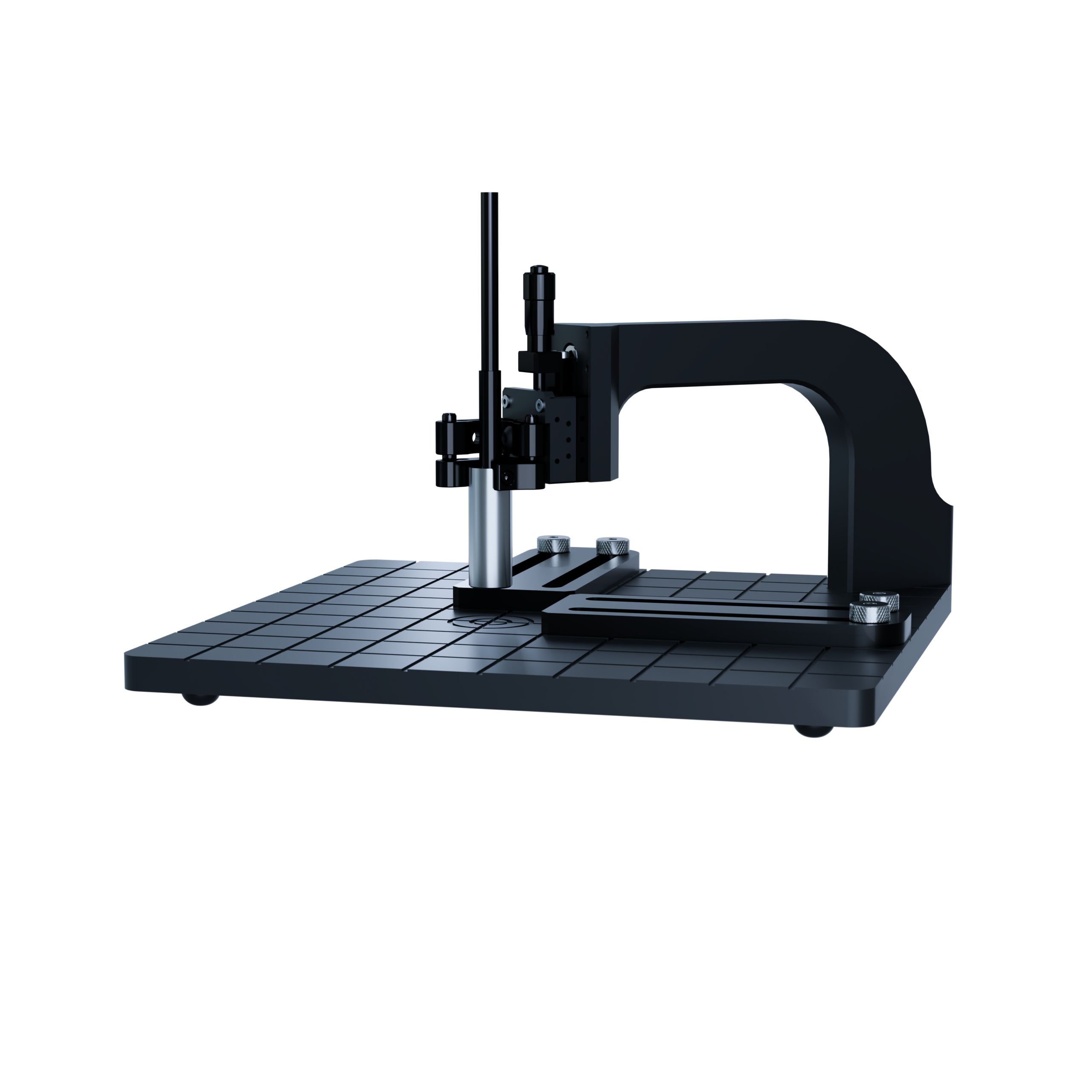
Spectral Film Thickness Tester
TFT-1000 Non-contact, non-destructive film thickness measurement with one-click operation.
The TFT-1000 is a benchtop, non-contact thin film thickness measurement system that uses spectral reflectometry to measure film thickness, refractive index (n), reflectance, and transmittance. Configurable optical modules enable measurements from approximately 1 nm to 1800um , while delivering fast, accurate, and repeatable results with a simple one-click workflow. Designed for research, process development, and manufacturing, the TFT-1000 combines flexible hardware configurations with intuitive software to characterize a wide range of transparent and semi-transparent thin films.
KEY FEATURES
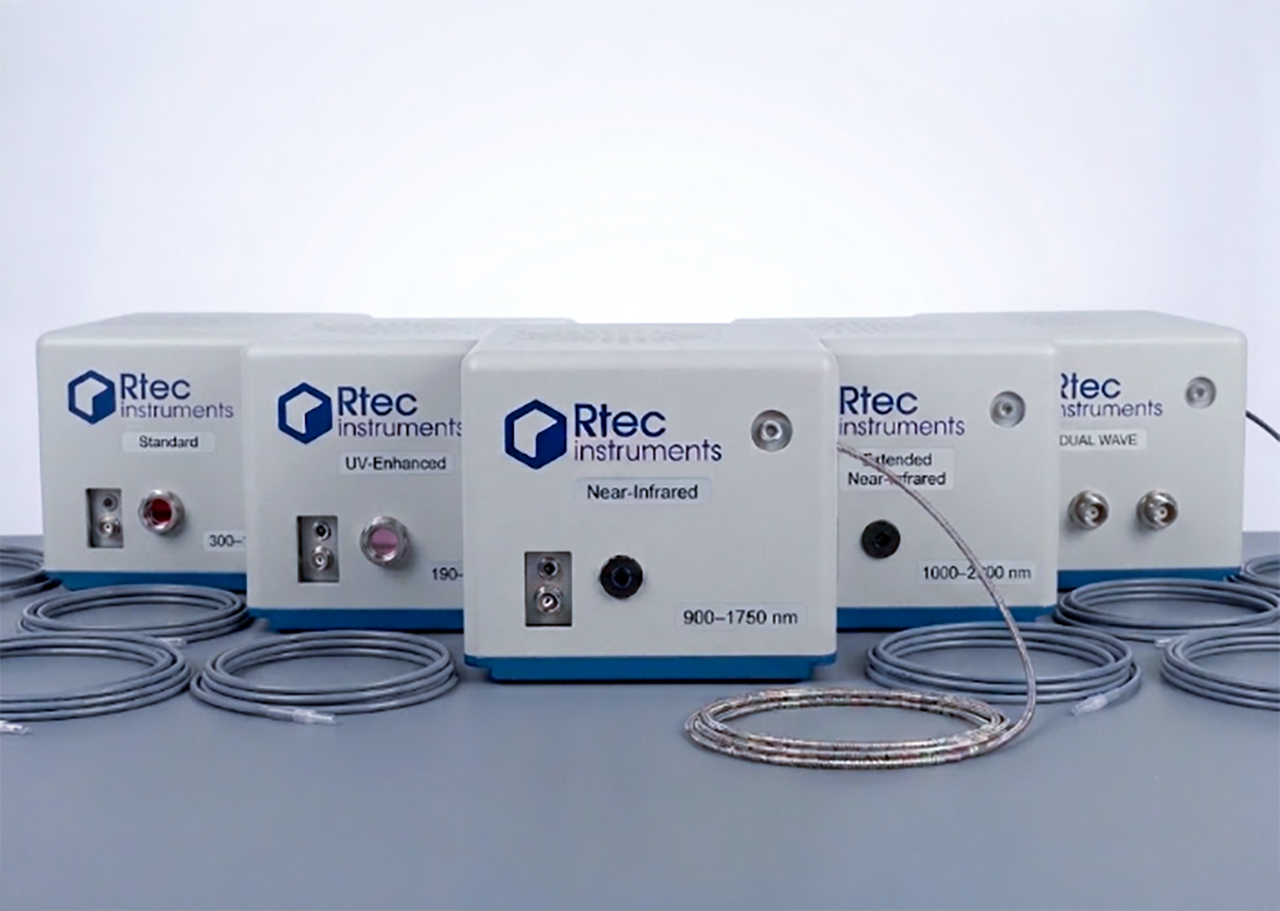
UV, Visible, and NIR Configurations
The TFT-1000 is available with four optimized spectral ranges: 300–1100 nm (Standard), 190–1100 nm (UV-Enhanced), 900–1750 nm (Near-Infrared), and 1000–2500 nm (Extended Near-Infrared). The ideal wavelength range depends on the coating material, thickness, and substrate. Custom spectral configurations are also available to meet specialized thin-film measurement applications.
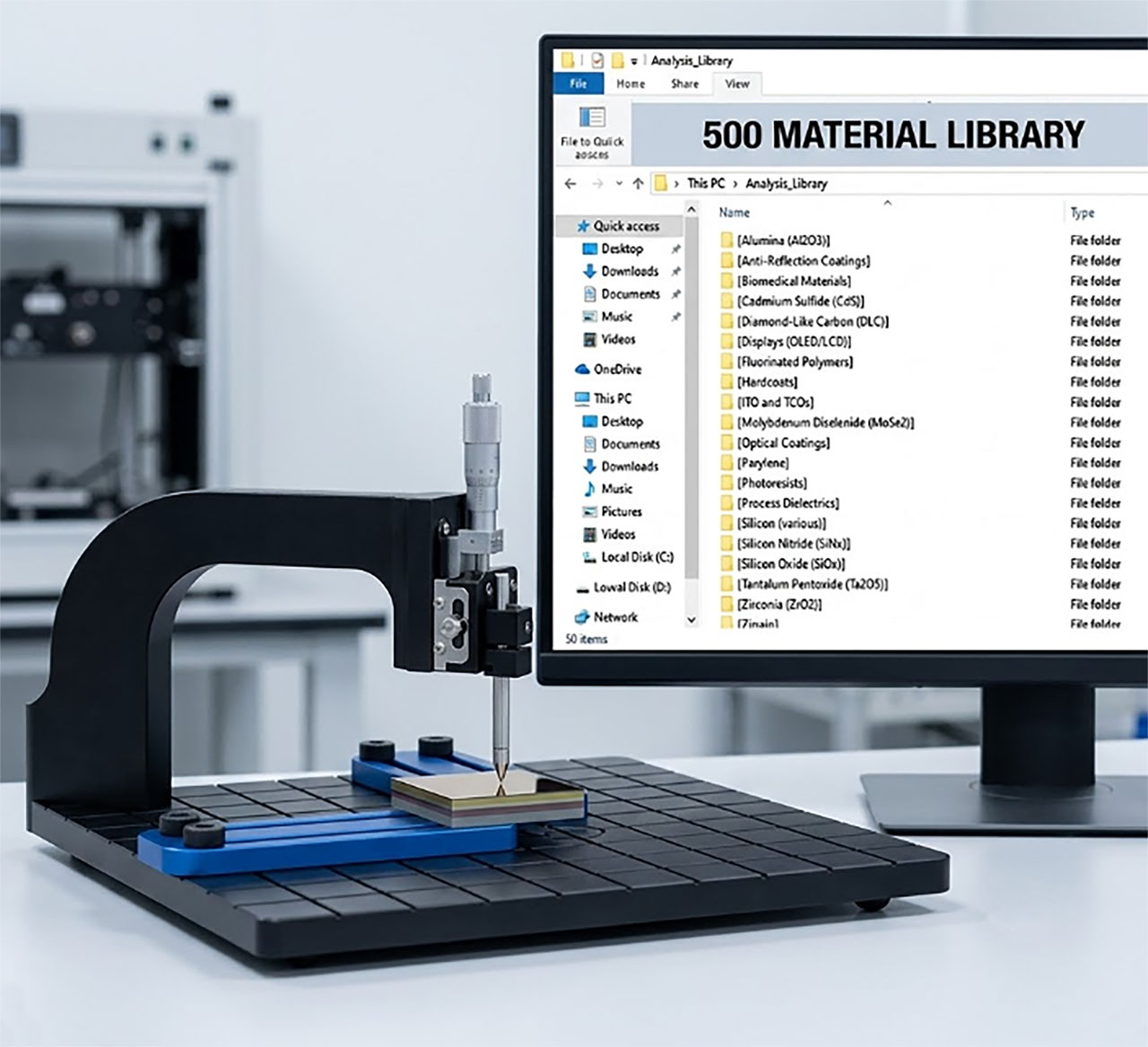
Library with over 500 materials included with every system
The 500+ materials library includes oxides, nitrides, photoresists, polymers, semiconductors, hard coatings, thin metal films, solar cell stack materials (aSi, TCO, CIGS, CdS, CdTe), LCD and display films (ITO, cell gaps, polyamides), optical coatings (dielectric filters, anti-reflection, hard coatings), and OLED stacks. Dynamic measurement mode acquires spectral data continuously while the sample is in motion, enabling coating uniformity maps across large substrates.
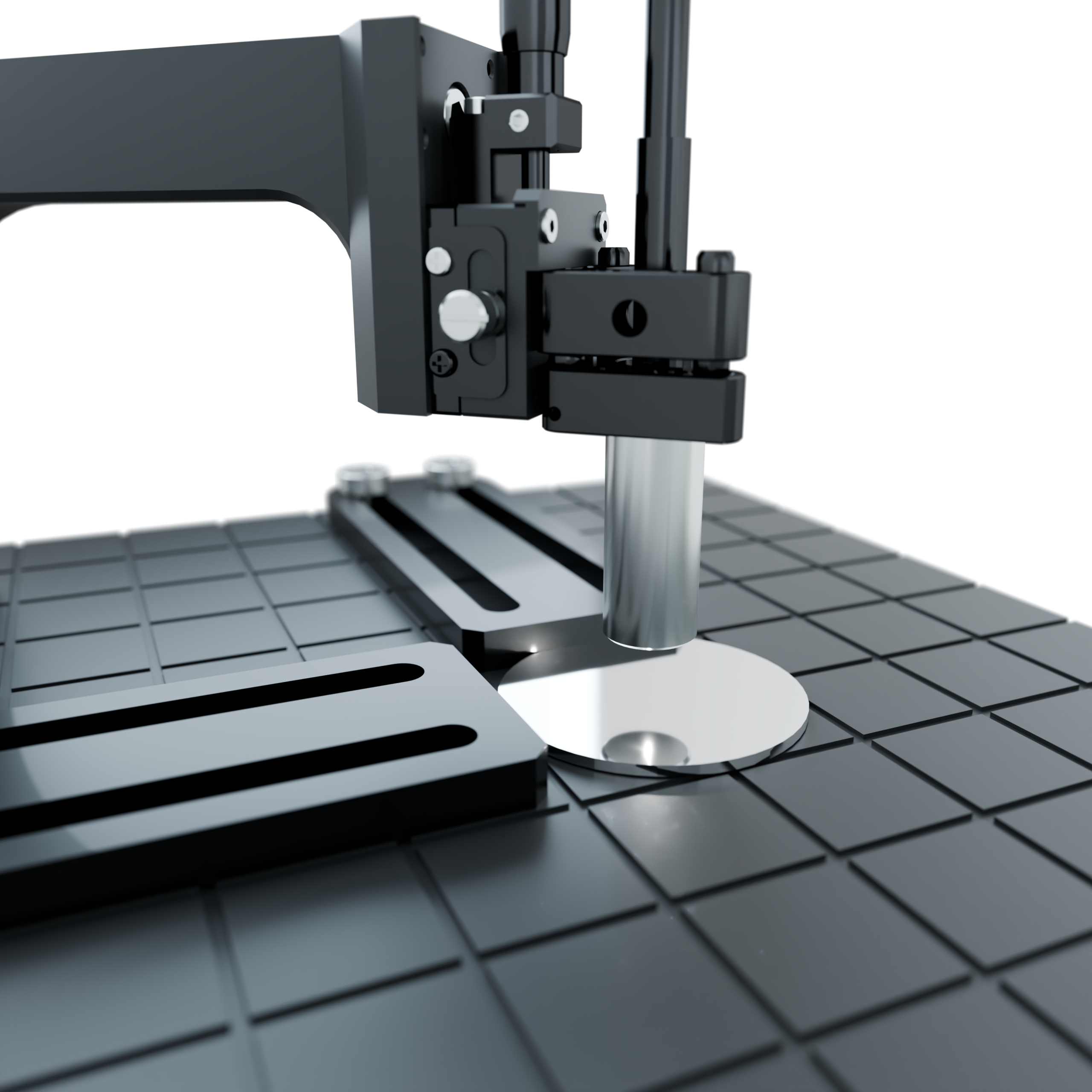
Spot Size down to few µm
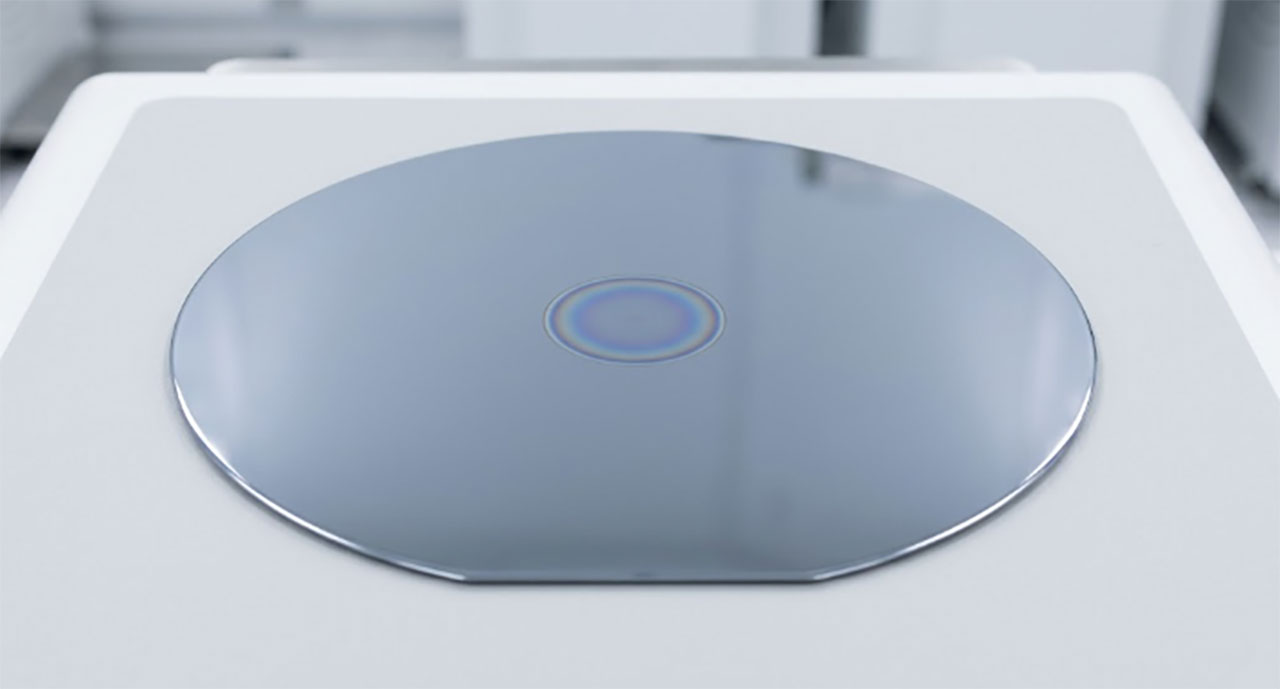
The TFT-1000 offers spot sizes from 4 µm to 2 mm, depending on the objective lens. Ultra-small spots accurately measure patterned wafers and microscopic features, while larger spots average wider areas for coating uniformity, process control, and quality assurance. Interchangeable optics maximize flexibility across research and industrial thin-film applications.
High Precision and Stability
The TFT-1000 combines next-generation light sources with high-resolution spectrometers to deliver exceptional accuracy, repeatability, and long-term stability. Designed for thin film process control, coating quality verification, and in-line deposition monitoring, it provides reliable, non-contact thickness measurements for research, production, and industrial quality assurance.
Easy to Use with Latest-Generation Analysis Software
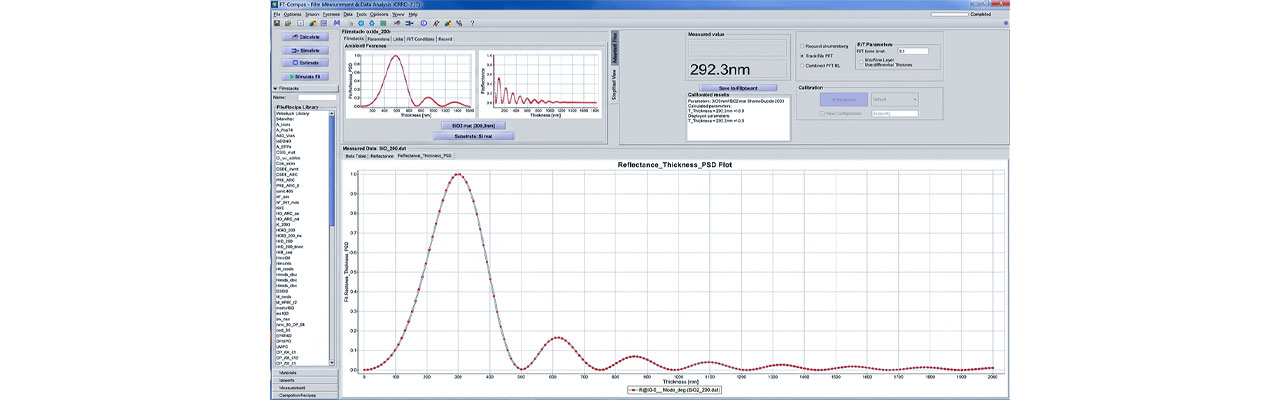
Every TFT-1000 ships with the full analysis package: one-click measurement, real-time spectral fitting, multi-layer optical modeling, and automated reporting. Thickness, refractive index, reflectance, and transmittance are extracted from a single acquisition — no software tiers, no add-on licenses. User can run the tool with under 5 minutes of training of software.
More about
Applications
Measure thickness, refractive index, reflectance, and transmittance of:
- Single or multiple-layers
- Transparent, translucent or lightly-absorbing films
- Semiconductor — photoresist, dielectrics etc.
- Optical Coatings
- AR/VR devices
- Medical – parylene, devices, catheters
How Does Spectral Reflectance Film Thickness Measurement Work?
Spectral reflectance is a fast, non-contact optical technique used to measure the thickness of transparent and semi-transparent thin films with nanometer precision. It is widely used in semiconductor manufacturing, MEMS, optics, photovoltaics, microelectronics, and advanced materials research because it provides highly accurate measurements without damaging the sample.
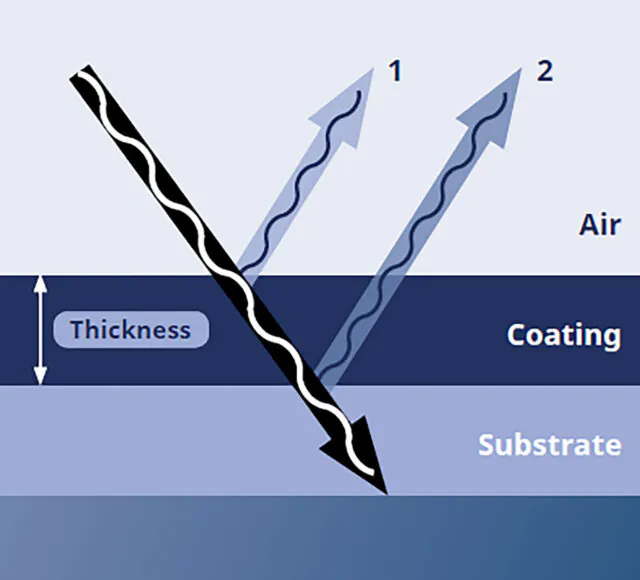
During the measurement, a broadband white light source is directed onto the coated surface through a precision optical probe. Part of the light reflects from the air-to-film interface, while another portion passes through the coating and reflects from the film-to-substrate interface. As these reflected beams recombine, they create constructive and destructive interference that produces a unique spectral interference pattern.
The spectrometer captures the reflected spectrum over hundreds of wavelengths in just milliseconds. Advanced optical modeling software compares the measured spectrum with theoretical models based on the optical properties of the film and substrate. The spacing and shape of the interference fringes reveal the film’s optical thickness (refractive index × physical thickness, n × d). When the refractive index is known—or simultaneously determined through curve fitting—the software accurately calculates the physical film thickness.
Unlike contact-based techniques, spectral reflectance requires no sample preparation and causes no surface damage. Measurements are completed in real time with a single click, making the technique ideal for both laboratory research and high-throughput production quality control. Modern systems can measure films from just a few nanometers to several hundred micrometers thick, depending on the material and optical properties.
With automated stage control, mapping capabilities, and powerful analysis software, spectral reflectance enables rapid thickness measurement across wafers, glass panels, optical components, and coated parts, providing manufacturers and researchers with reliable data to optimize deposition processes, improve product quality, and increase production yield.
| Wavelength | 300–1100 nm (Standard) 190–1100 nm (UV-Enhanced) 900–1750 nm (Near-Infrared) 1000–2500 nm (Extended Near-Infrared). Custom wavelength configurations available |
|---|---|
| Precision | nm range |
| Material Library | 500+ |