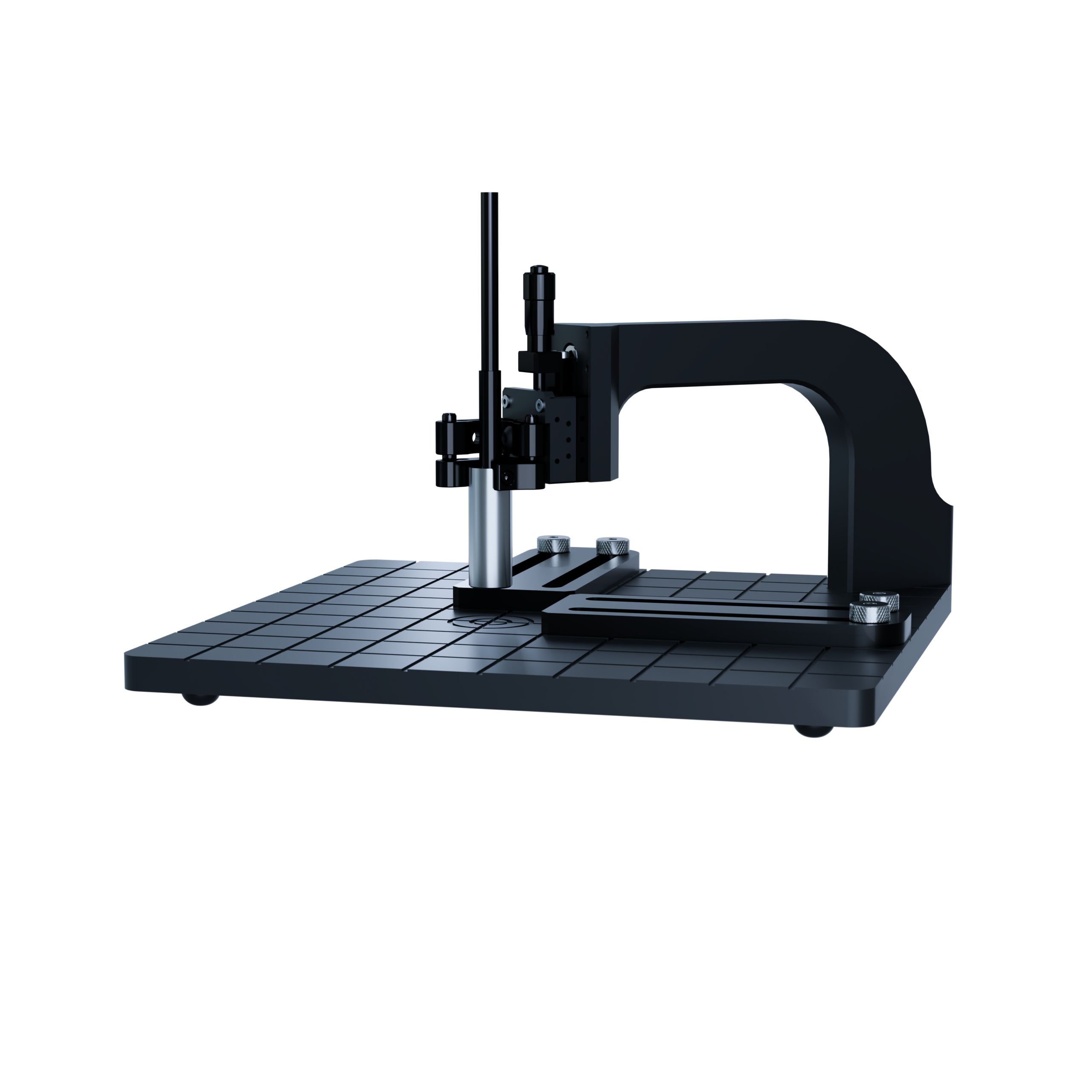
主要特点
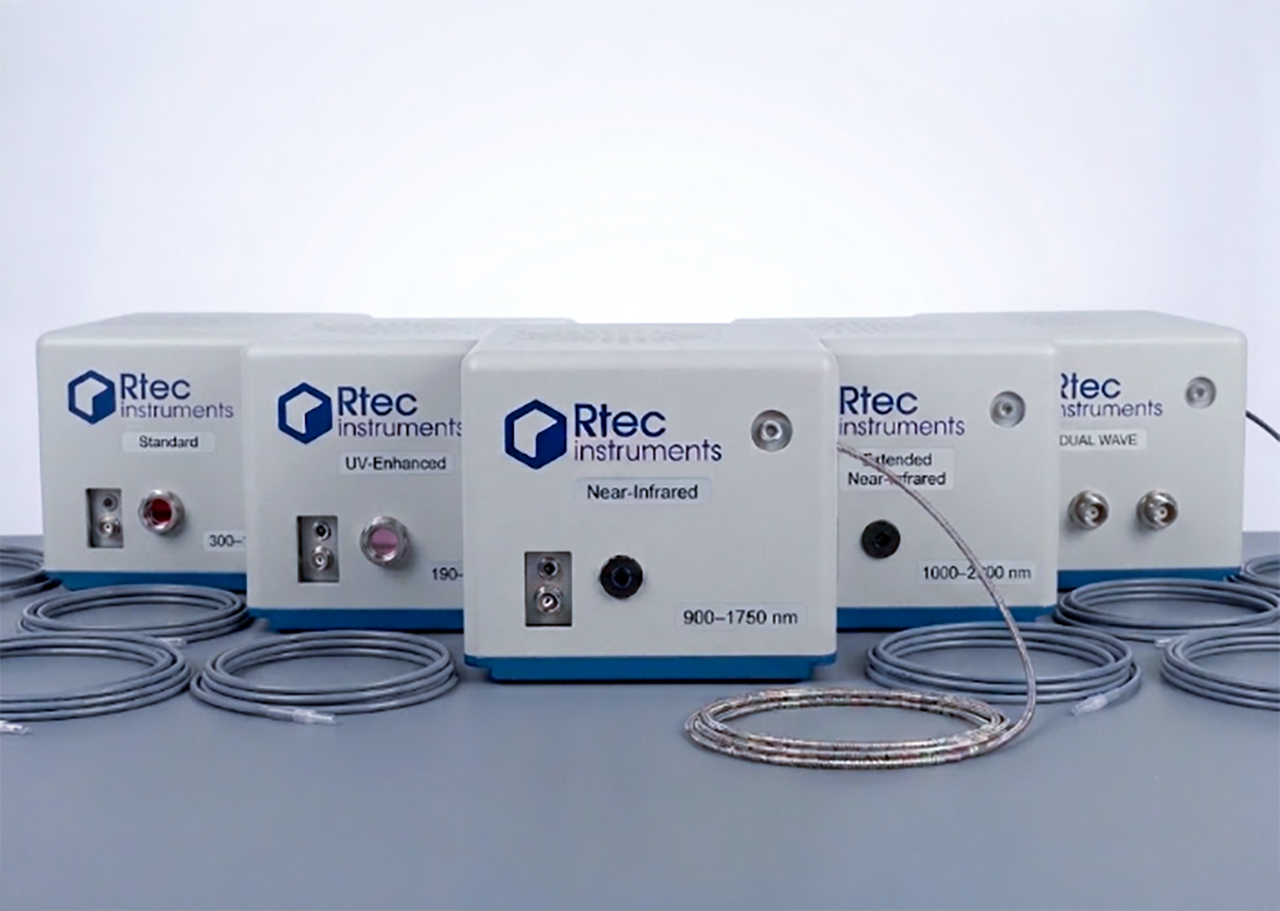
紫外、可见光和近红外配置
TFT-1000 提供四种经过优化的光谱范围: 300–1100 nm(标准)、190–1100 nm(增强紫外)、900–1750 nm(近红外)和 1000–2500 nm(扩展近红外)。 理想的波长范围取决于镀膜材料、厚度和基底。此外,还提供定制的光谱配置,以满足特殊的薄膜测量应用需求。
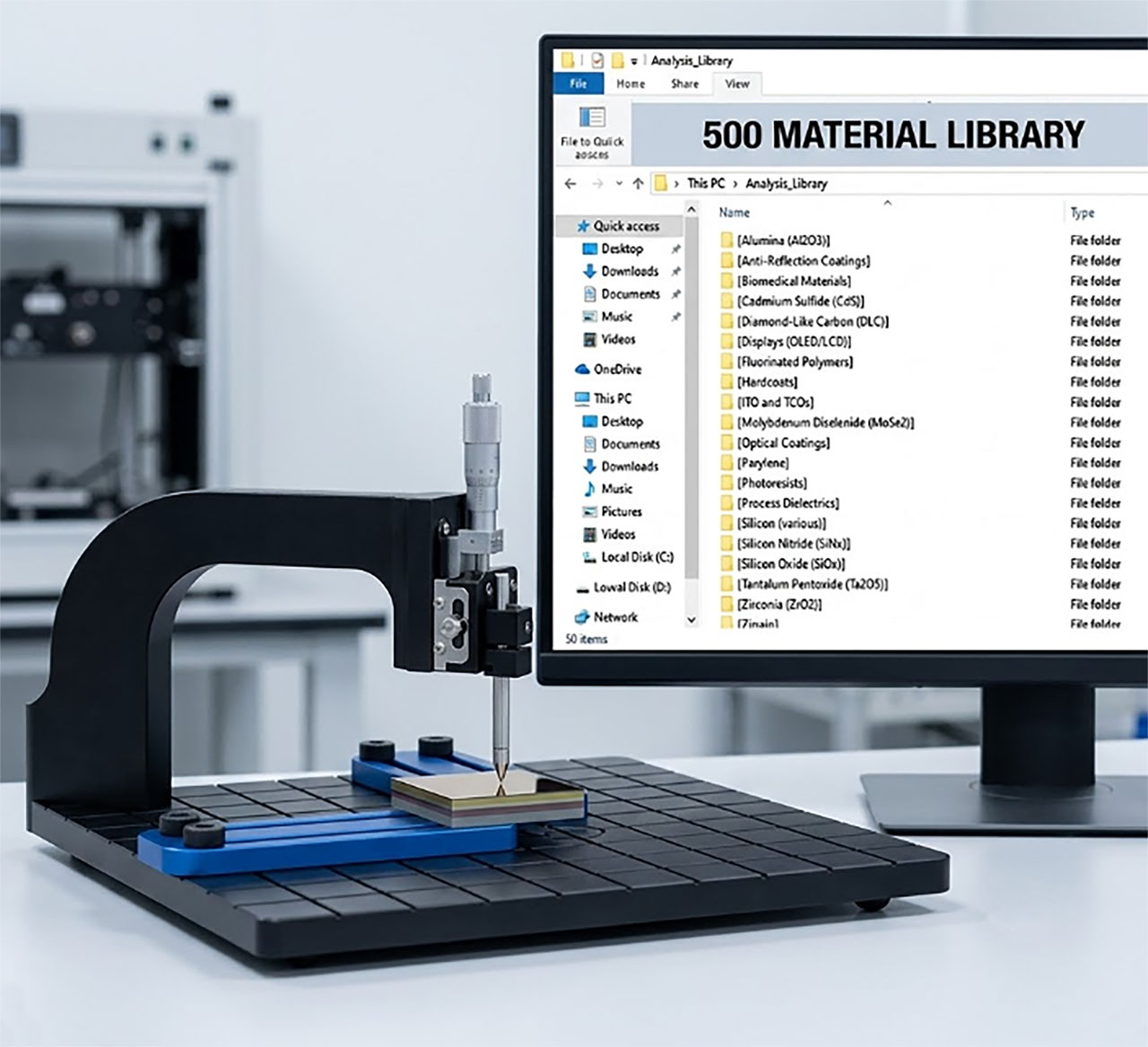
每套系统均附带包含500余种资源的资源库
该材料库包含500多种材料,涵盖氧化物、氮化物、光刻胶、聚合物、半导体、硬质涂层、金属薄膜、太阳能电池堆栈材料(aSi、TCO、CIGS、 CdS、CdTe)、LCD及显示薄膜(ITO、像素间隙、聚酰胺)、光学涂层(介质滤光片、抗反射涂层、硬涂层)以及OLED堆栈。动态测量模式可在样品移动过程中连续采集光谱数据,从而能够生成大尺寸基板上的涂层均匀性图。
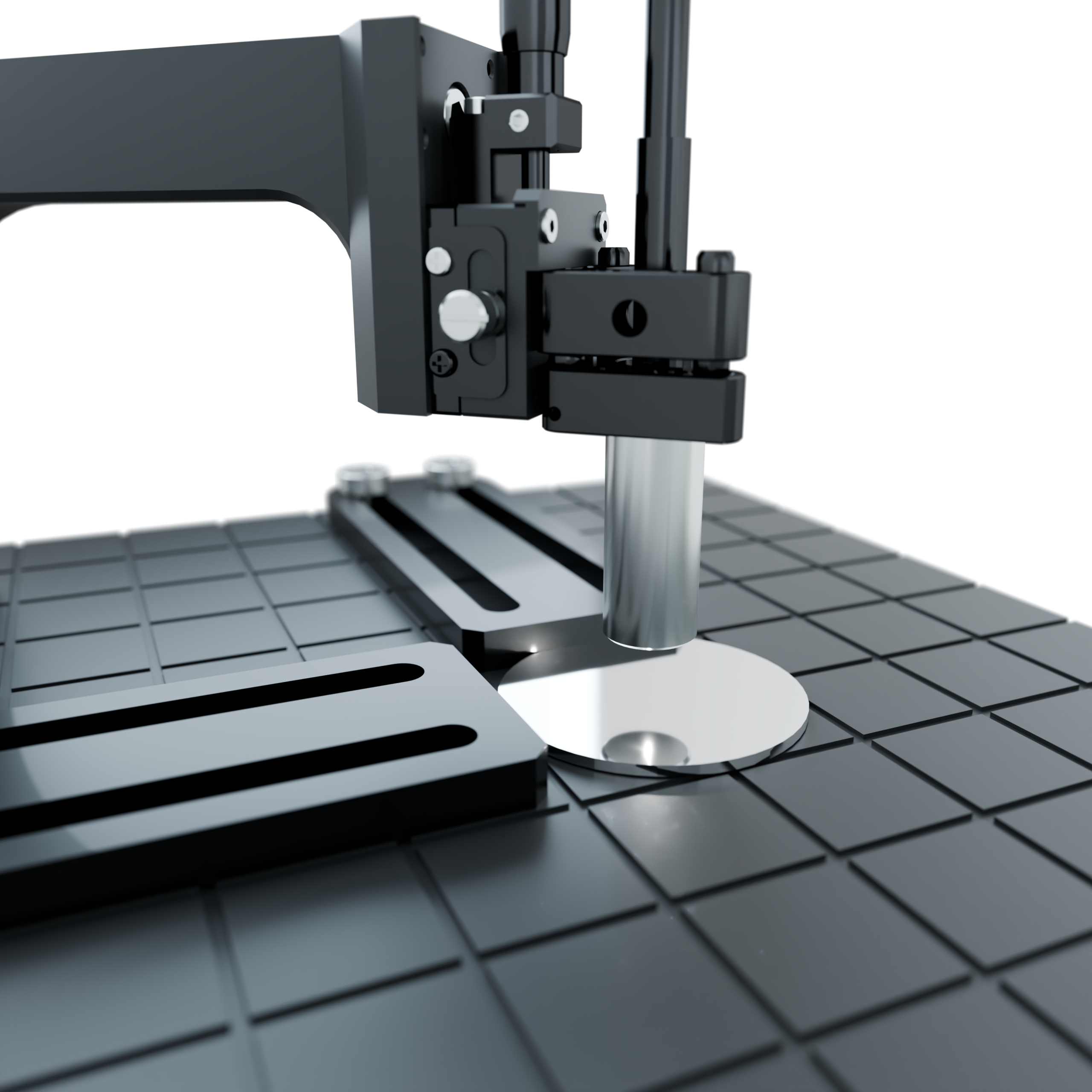
光斑尺寸小至几微米
TFT-1000 提供的光斑尺寸范围为 4 µm 至 2 mm,具体取决于物镜。超小光斑可精确测量图案化晶圆和微观特征,而较大光斑则可对更宽的区域进行平均测量,以满足涂层均匀性、工艺控制和质量保证的需求。 可互换的光学组件最大限度地提高了该设备在科研和工业薄膜应用中的灵活性。
高精度与高稳定性
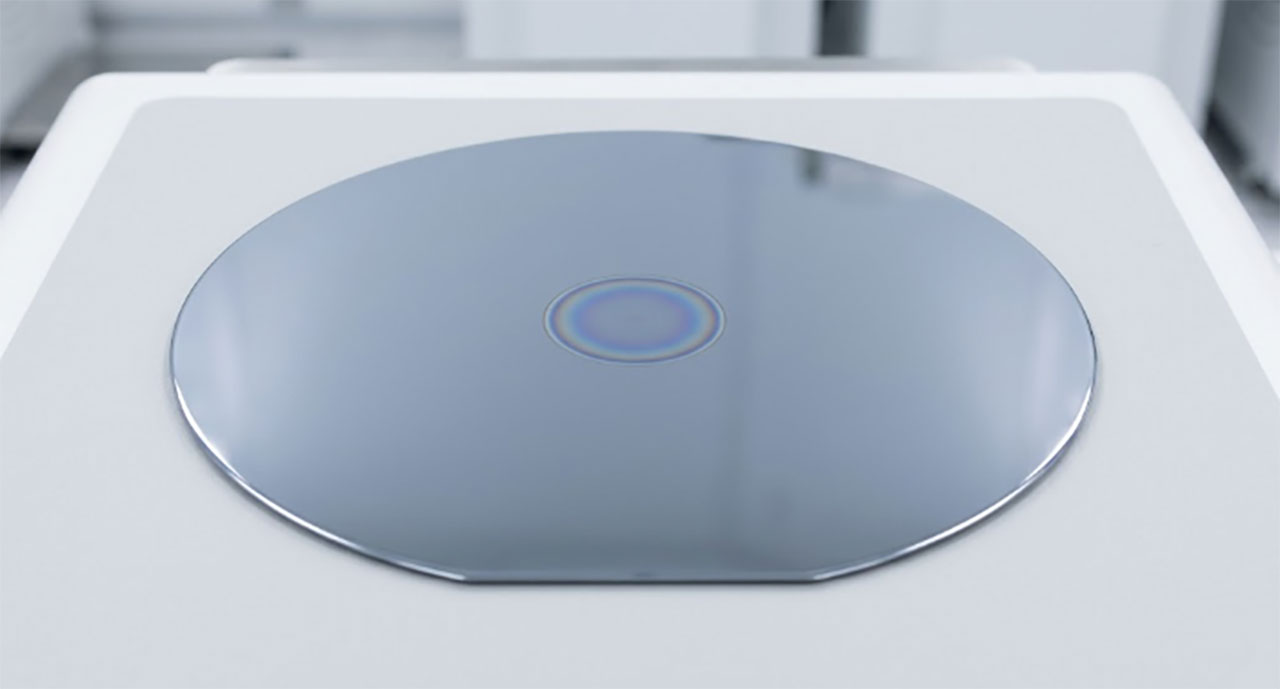
TFT-1000 将新一代光源与高分辨率光谱仪相结合,可提供卓越的精度、重复性和长期稳定性。该设备专为薄膜工艺控制、涂层质量验证和在线沉积监测而设计,可为科研、生产及工业质量保证提供可靠的非接触式厚度测量。
易于使用,配备最新一代分析软件
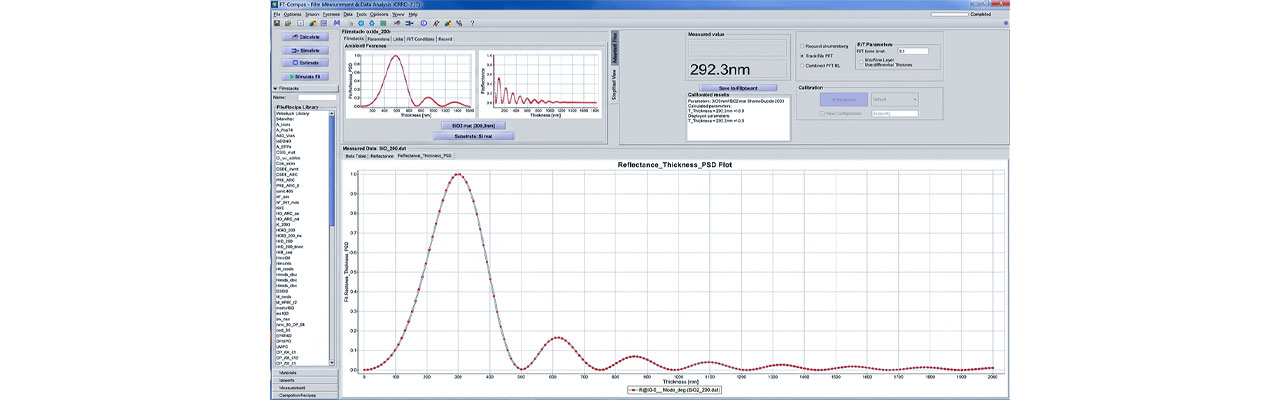
每台 TFT-1000 均标配完整的分析套件:一键测量、实时光谱拟合、多层光学建模以及自动生成报告。仅需一次采集即可获取厚度、折射率、反射率和透射率数据——无需分层软件,也无需额外许可证。 用户只需接受不到 5 分钟的软件培训,即可操作该设备。
更多相关信息
应用
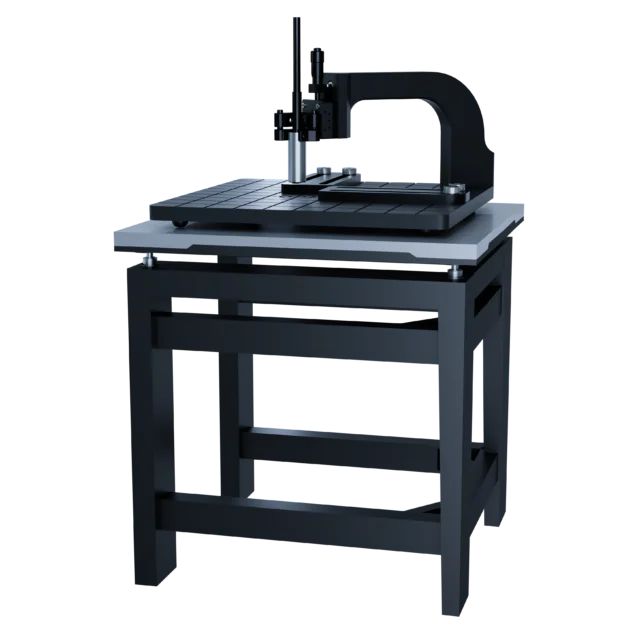
测量以下材料的厚度、折射率、反射率和透射率:
- 单层或多层
- 透明、半透明或弱吸收薄膜
- 半导体——光刻胶、介电层等
- 光学镀膜
- AR/VR设备
- 医疗——聚对二甲苯、医疗器械、导管
光谱反射率薄膜厚度测量原理是什么?
光谱反射率是一种快速、非接触式光学技术,用于以纳米级精度测量透明和半透明薄膜的厚度。由于该技术能在不损伤样品的情况下提供高精度测量结果,因此被广泛应用于半导体制造、MEMS、光学、光伏、微电子学以及先进材料研究领域。
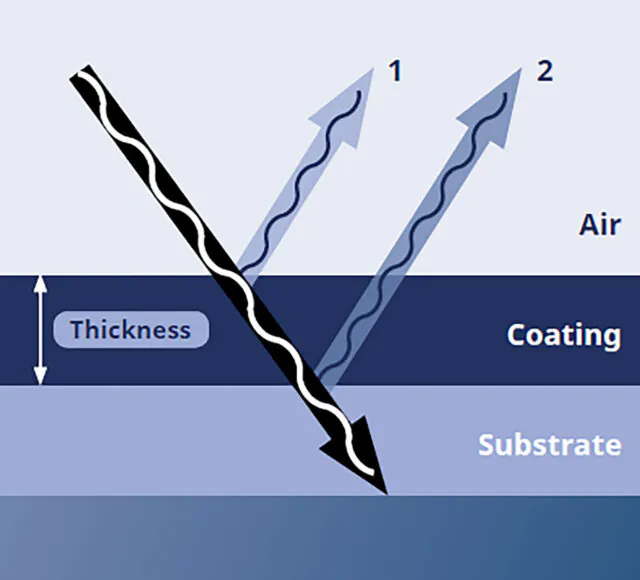
在测量过程中,宽带白光光源通过精密光学探针照射到涂层表面。其中一部分光在空气-薄膜界面处反射,另一部分则穿过涂层,并在薄膜-基底界面处反射。当这些反射光束重新结合时,会产生 constructive 和 destructive 干涉,从而形成独特的光谱干涉图样。
该光谱仪仅需几毫秒即可捕获数百个波长范围内的反射光谱。先进的光学建模软件会将测得的光谱与基于薄膜和基板光学性质的理论模型进行对比。 干涉条纹的间距和形状揭示了薄膜的光学厚度(折射率 × 物理厚度,n × d)。当已知折射率——或通过曲线拟合同时测得折射率时——该软件可精确计算出薄膜的物理厚度。
与接触式技术不同,光谱反射率测量无需样品制备,也不会造成表面损伤。只需单击一下即可实时完成测量,因此该技术既适用于实验室研究,也适用于高通量生产质量控制。 现代系统可测量厚度从仅几纳米到几百微米不等的薄膜,具体取决于材料和光学特性。
凭借自动舞台控制、映射功能和强大的分析软件,光谱反射率技术能够快速测量晶圆、玻璃面板、光学元件和镀膜部件的厚度,为制造商和研究人员提供可靠的数据,以优化沉积工艺、提高产品质量并提升生产良率。
| 波长 | 300–1100 nm(标准) 190–1100 nm(紫外增强型) 900–1750 nm(近红外) 1000–2500 nm(扩展近红外)。可提供定制波长配置 |
|---|---|
| 精度 | 纳米级 |
| 材料库 | 500+ |