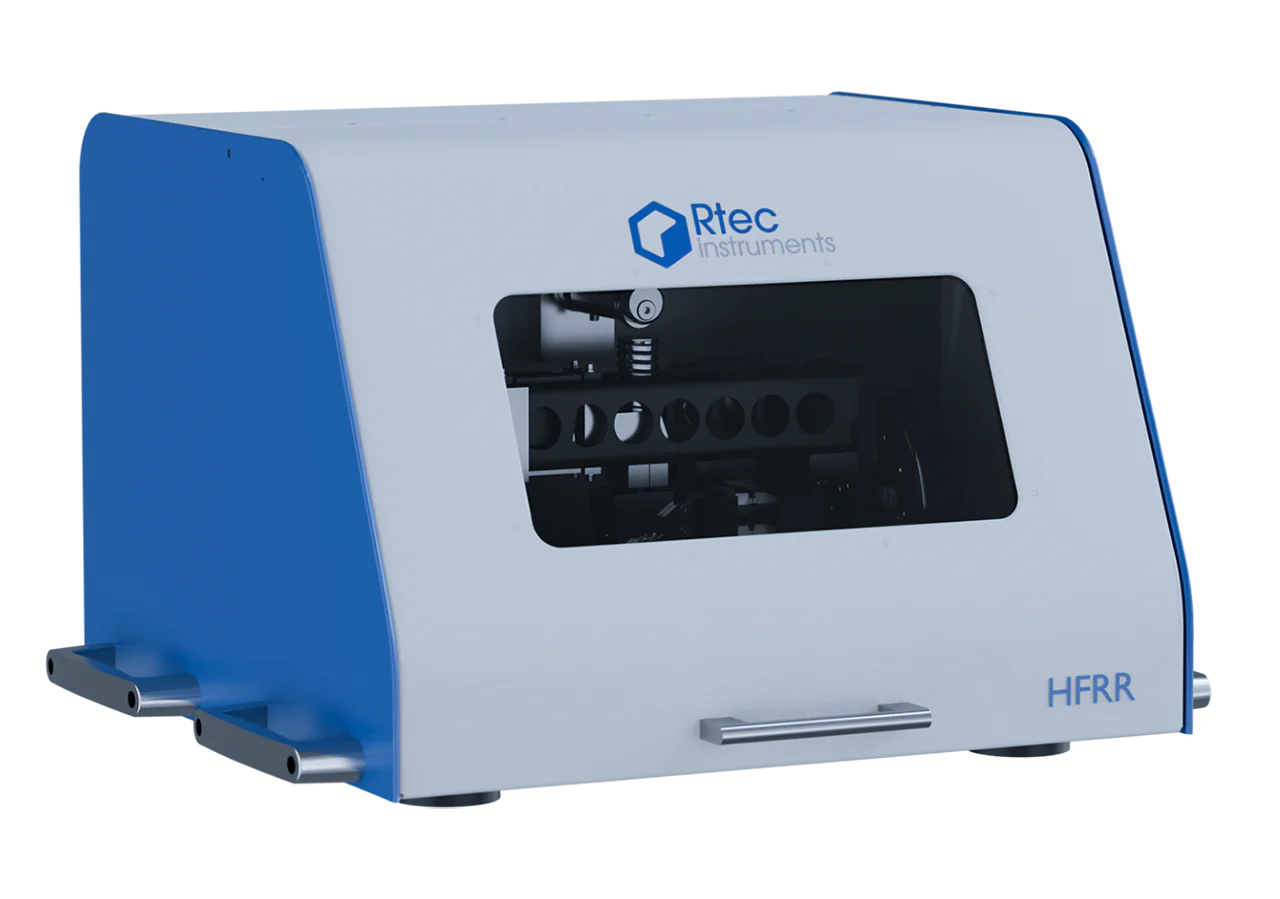
Fretting Tester
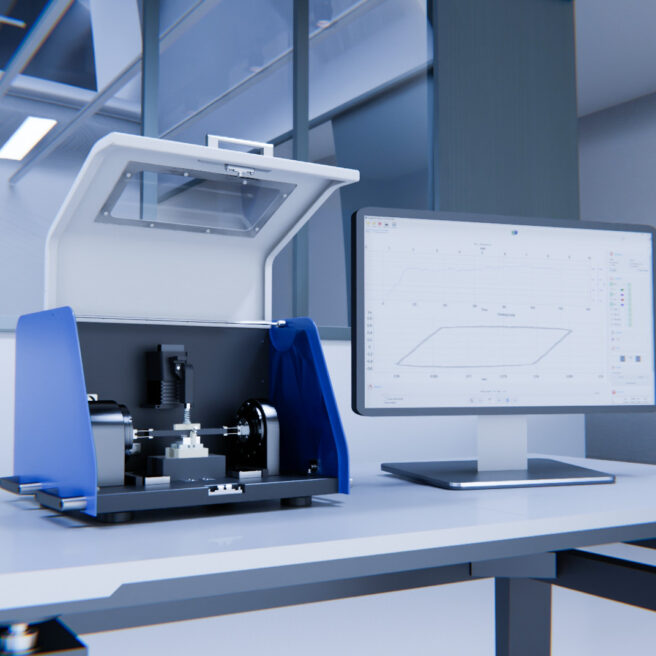
HFRR-1000 High Frequency Reciprocating Rig - HFRR
The Rtec Instruments HFRR Tester (High Frequency Reciprocating Rig) is designed for accurate evaluation of fuel lubricity, friction, and wear performance. The system incorporates real-time force and stroke control, advanced piezoelectric sensors, and a wide temperature range to deliver highly precise and repeatable measurements.
Its advanced control architecture enables stable test conditions and detailed monitoring of contact behavior during reciprocating motion. Designed for reliability and ease of use, the Rtec HFRR provides consistent results for research and quality control. The instrument supports fuel lubricity testing according to industry standards, helping fuel developers optimize formulations while ensuring performance, durability, and regulatory compliance.
KEY FEATURES
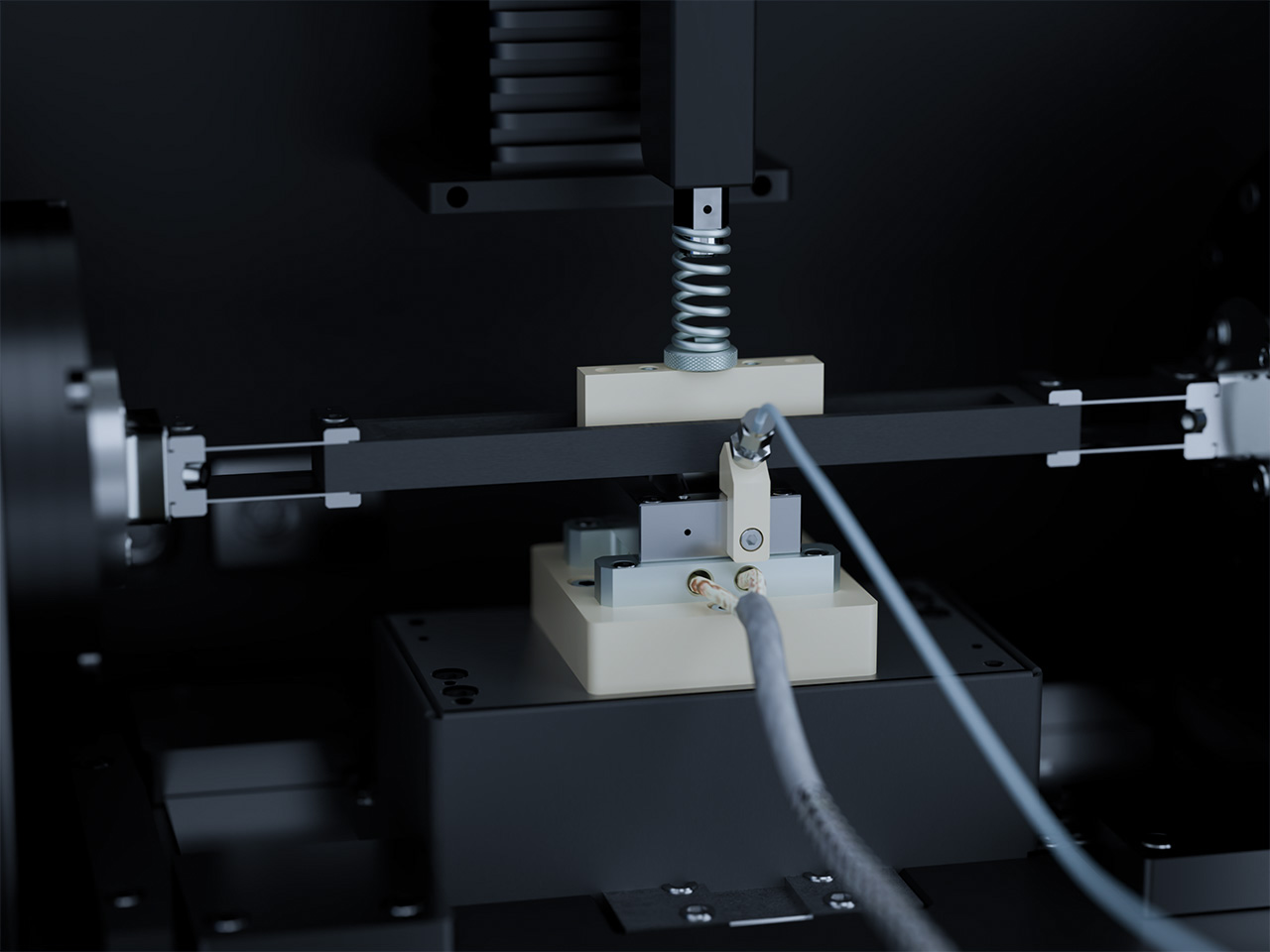
Real-Time Programmable Load Control (No Dead Weights)
Unlike traditional HFRR systems that rely on static dead weights, the Rtec Instruments HFRR features real-time programmable down-force control. This active load regulation ensures stable, precise force throughout testing, eliminating user-dependent variability. Fully programmable and computer-controlled, it enables easy automation, higher repeatability, and consistent lubricity measurements for advanced fuel and additive evaluation.
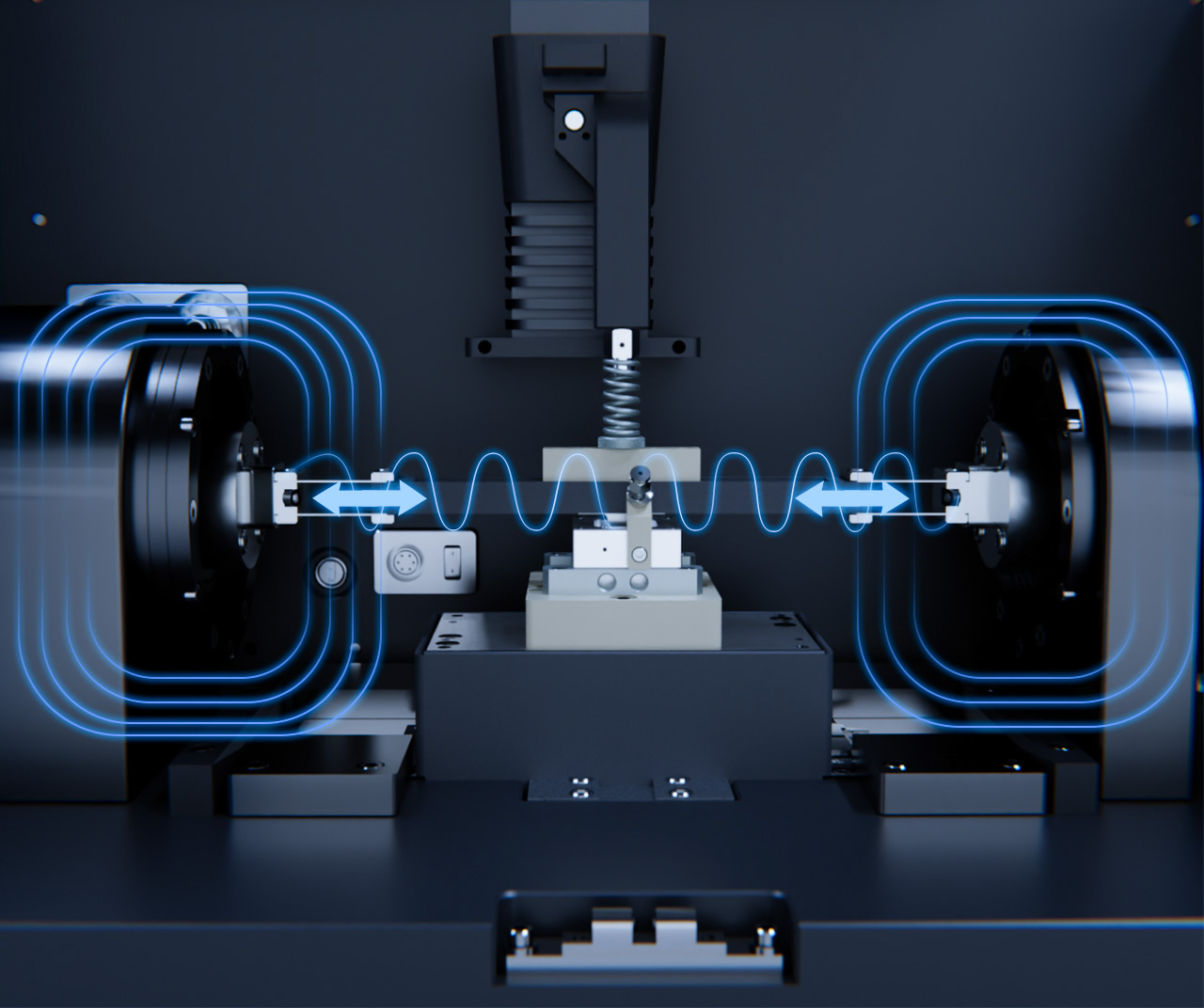
Voice-Coil Driven Oscillation (1–200 Hz)
The Rtec Instruments HFRR uses a high-performance voice-coil actuator to deliver oscillation frequencies from 1 to 200 Hz with exceptional precision and responsiveness. This direct-drive technology ensures smooth motion, rapid dynamic control, and highly repeatable reciprocating movement, supporting both ASTM lubricity testing and advanced tribology research on fuels, additives, friction, and wear.
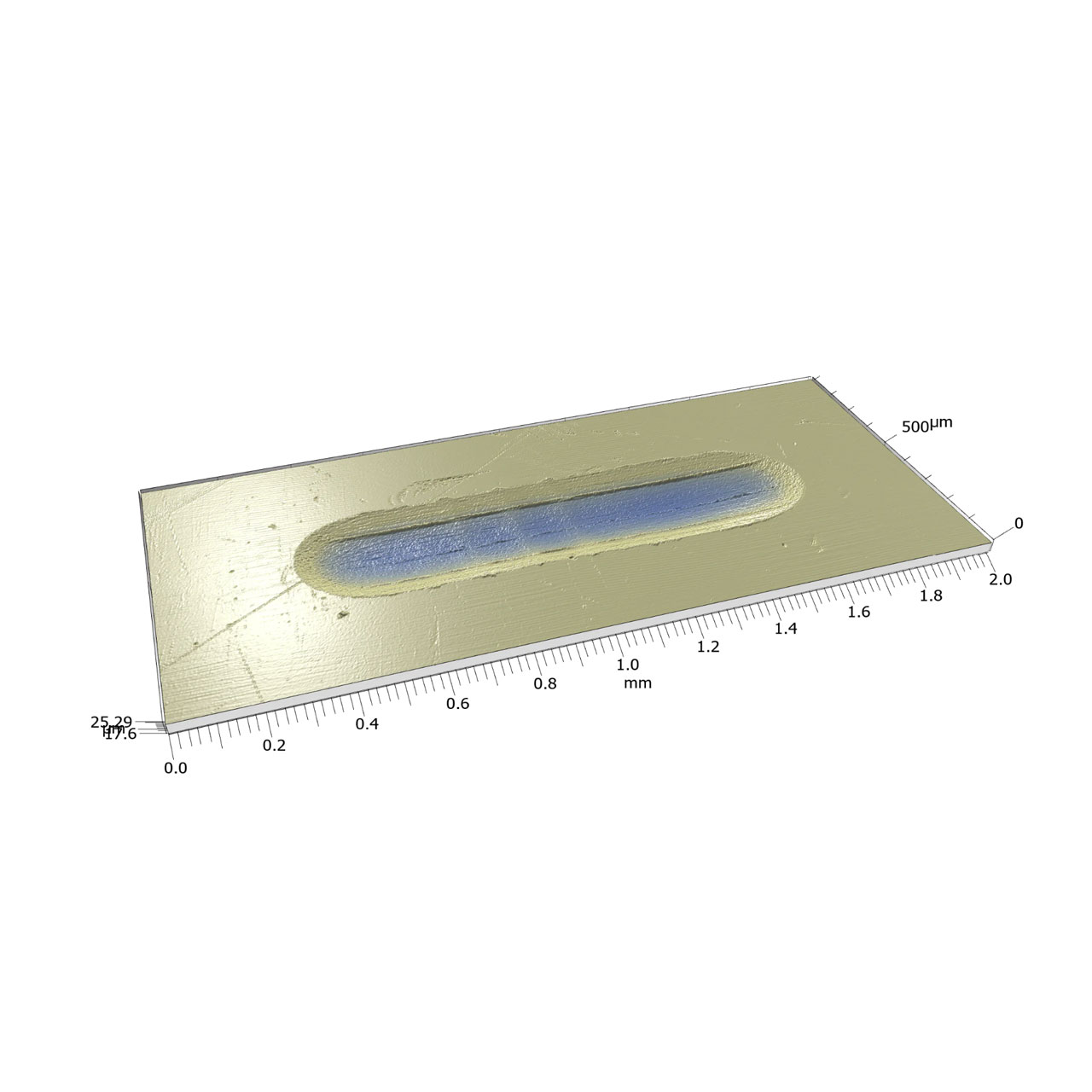
Large Stroke Amplitude Flexibility (10 µm – 2.8 mm)
With an extended oscillation amplitude from 10 µm to 2.8 mm, the Rtec HFRR enables testing beyond conventional lubricity methods. This wide stroke capability allows researchers to simulate different sliding regimes, develop custom test protocols, and investigate new lubricant formulations or fuel additives under varied contact conditions.
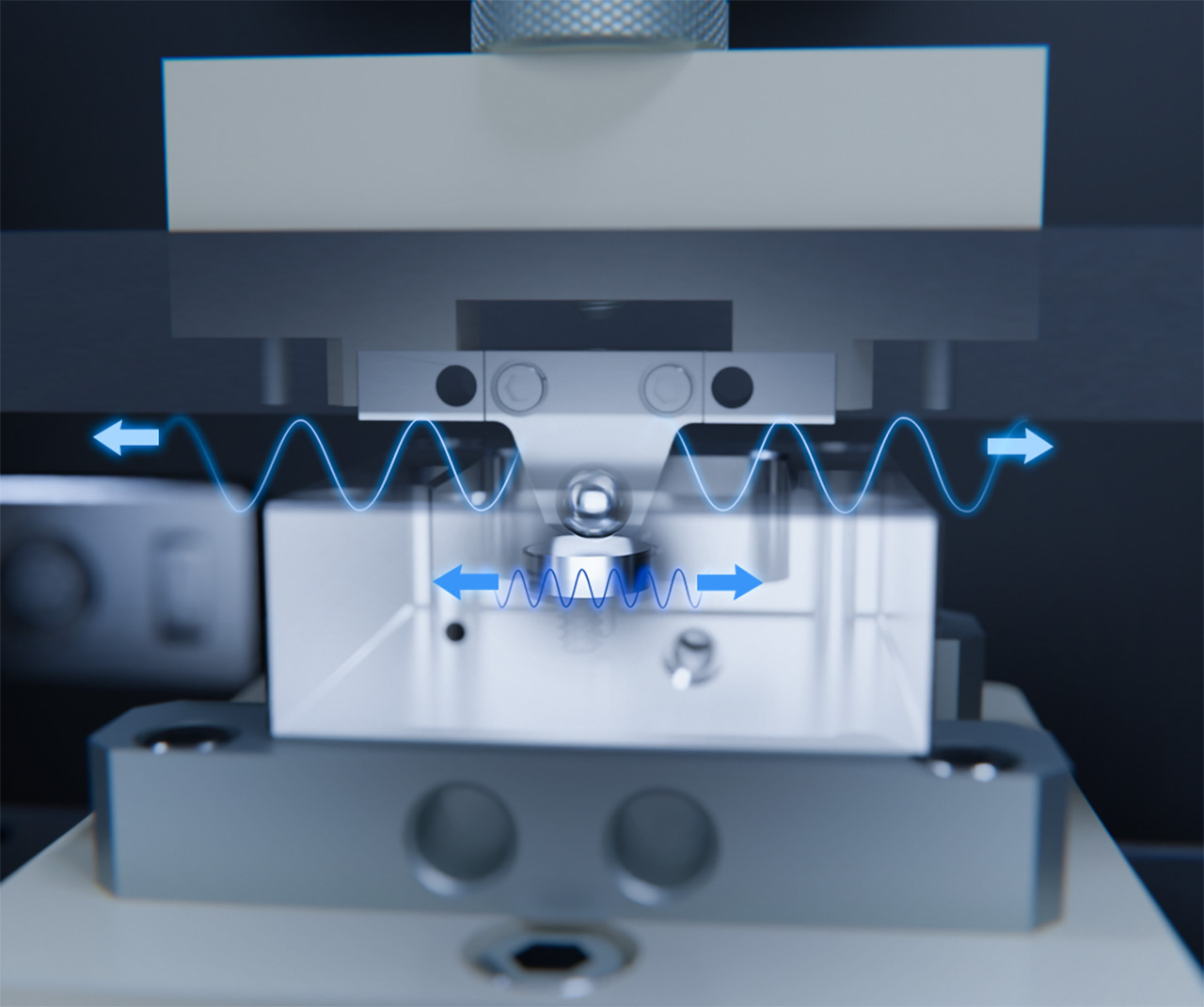
High-Sensitivity Piezo Friction Measurement
The system integrates high-resolution piezoelectric load sensors to measure friction forces in real time. This technology provides highly sensitive detection of friction variations and wear behavior during reciprocating motion, enabling more accurate evaluation of lubricity performance compared with conventional systems relying on indirect friction measurements.
Research-Grade Flexibility Beyond ASTM Testing
While designed to fully comply with ASTM D6079, the Rtec Instruments HFRR offers significantly wider stroke, frequency, electrified option, sensor add ons and load ranges than conventional testers. This flexibility allows researchers to develop custom tribology methods, evaluate next-generation fuel additives, and study friction and wear mechanisms beyond standard lubricity qualification testing.
Easy Fuel lubricity testing
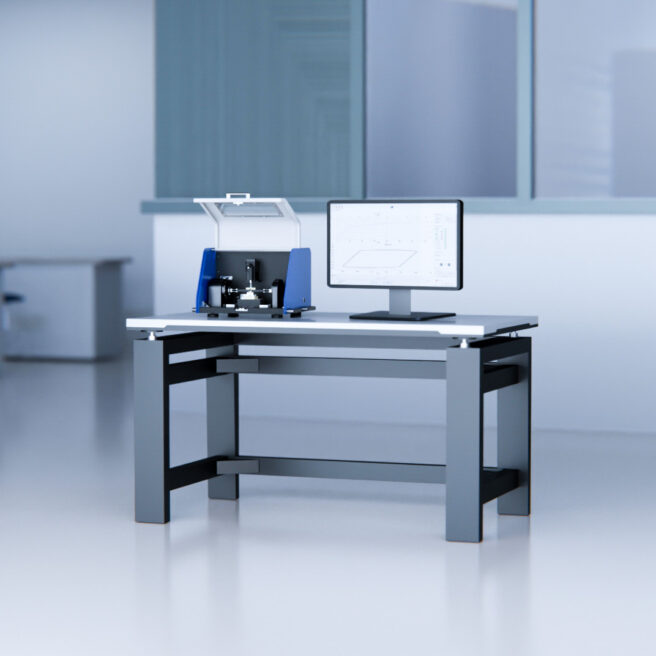
Effortless fuel lubricity testing for any lab. The HFRR-1000 runs ASTM D6079 and ISO 12156 protocols with a single click — no dead weights, no manual adjustments. Recipe-based software guides every step automatically, delivering reliable, repeatable results and standardized reports without requiring specialist operator knowledge or lengthy training.
More about
The HFRR Tester – High Frequency Reciprocating Rig for Fuel Lubricity Testing is an essential instrument used to evaluate the lubricating properties of fuels in lab environments. In fact, many professionals rely on the HFRR Tester – High Frequency Reciprocating Rig for Fuel Lubricity Testing because of its precision and consistent results.
What is HFRR Testing?
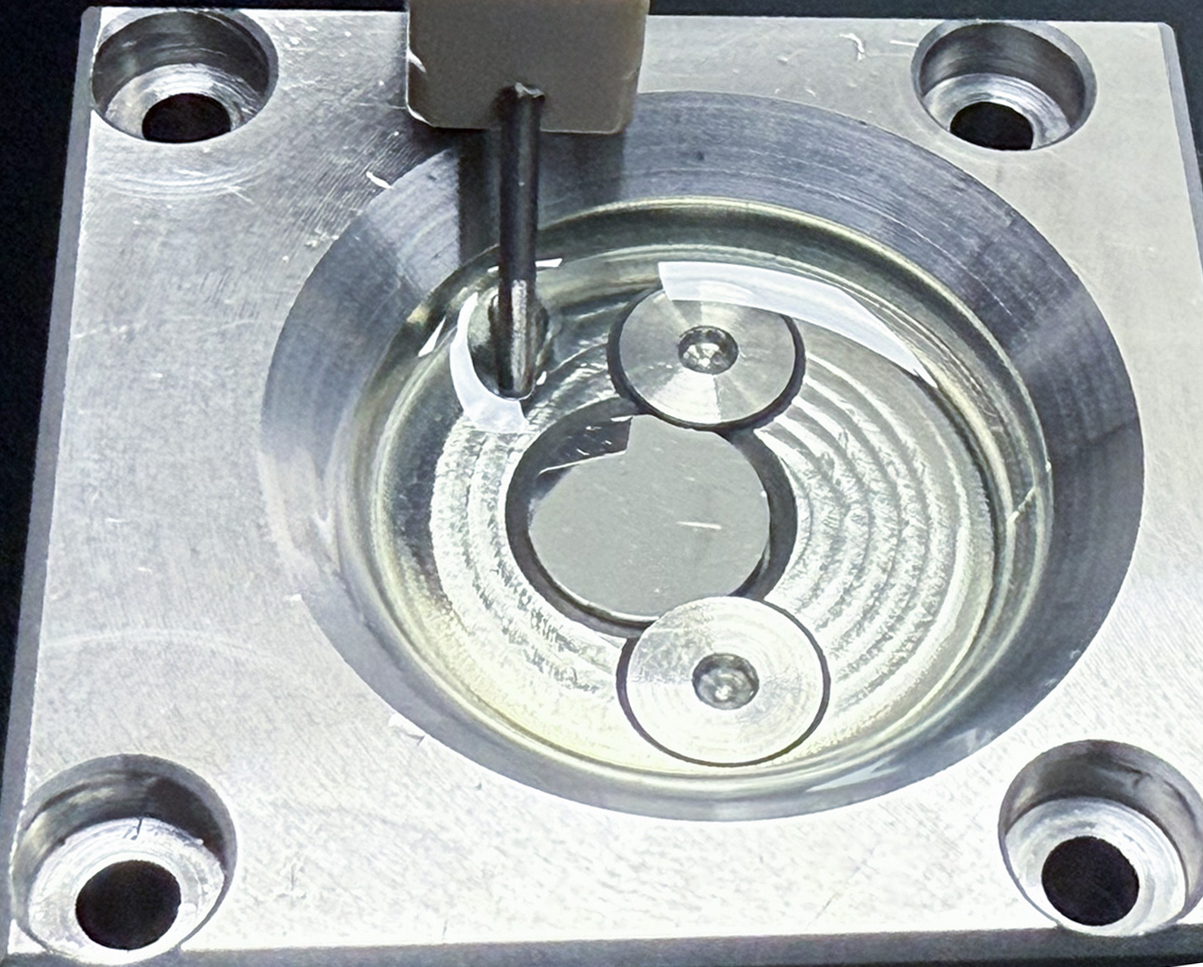
HFRR (High Frequency Reciprocating Rig) testing is the industry-standard method for evaluating the lubricity of fuels and lubricants. By reproducing reciprocating contact under controlled load, temperature, and frequency conditions, it furthermore measures friction behavior and wear scar formation. As a result, engineers can assess a fluid’s ability to protect critical components using tools such as the HFRR Tester – High Frequency Reciprocating Rig for Fuel Lubricity Testing.
The method is widely used for diesel, biodiesel, renewable fuels, fuel additives, and lubricant development. It consequently helps optimize performance, reduce wear, and improve durability. Additionally, compliance with ASTM D6079 and ISO 12156 standards ensures reliable and repeatable results for research, quality control, and product development worldwide. Notably, the HFRR Tester – High Frequency Reciprocating Rig for Fuel Lubricity Testing supports laboratories in meeting these exacting requirements.
Automated Testing and Instant Report Generation
The Rtec Instruments HFRR includes intuitive software designed to simplify testing and reporting. Users can furthermore easily create automated test recipes that control all parameters, ensuring consistent and repeatable experiments with minimal operator involvement.
Once the test is completed, the software consequently processes the data automatically. It additionally generates standardized reports including friction results, wear scar measurements, and test conditions.
As a result, this streamlined workflow reduces user dependency and eliminates manual data handling. By combining automation with automatic report generation, the system therefore improves testing efficiency and enhances reproducibility between laboratories.
Moreover, it provides clear documentation for both routine fuel lubricity testing and advanced tribology research. Overall, laboratories looking for robust solutions will benefit from using the HFRR Tester – High Frequency Reciprocating Rig for Fuel Lubricity Testing.
Why Electrified HFRR?
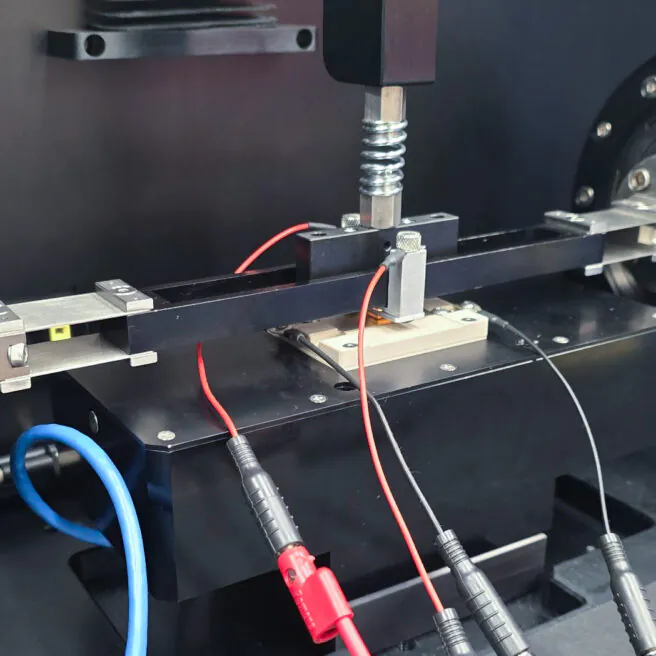
As electrification transforms automotive, aerospace, and industrial systems, understanding the impact of electrical currents on friction, wear, and lubrication has become essential. Electrical potentials can furthermore accelerate corrosion, alter surface chemistry, influence lubricant film formation, and consequently promote micro-pitting or surface damage.
The Electrified HFRR enables researchers to apply DC or AC electrical loads and measure contact impedance. As a result, they can study tribological behavior under realistic electrified operating conditions. The system is furthermore fully insulated and easily configurable, delivering valuable insights into lubricant film stability, electrical contact performance, and material durability. Additionally, it retains the same intuitive one-click operation as the standard HFRR, therefore making advanced electrified tribology testing simple and accessible.
| Load Range | 50 mN to 20 N |
|---|---|
| Displacement | 10 μm - 2.8 mm |
| Oscillation frequency | 0.1 – 200 Hz |
| Temperature Range | Ambient to 150 °C (-40 °C to 400 °C in option) |
| Humidity controller | 5 to 95% RH |
| Test Sample Volume | 2 ml |
| Size | 64 x 73 x 49 cm |
| Weight | 90 kg |