Fretting Tester
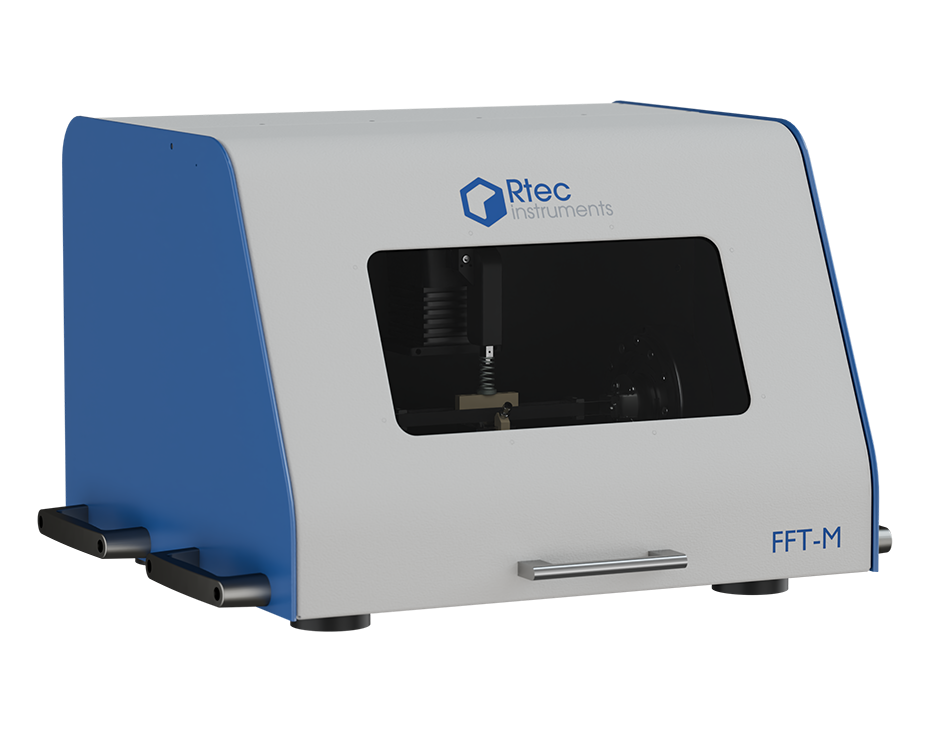
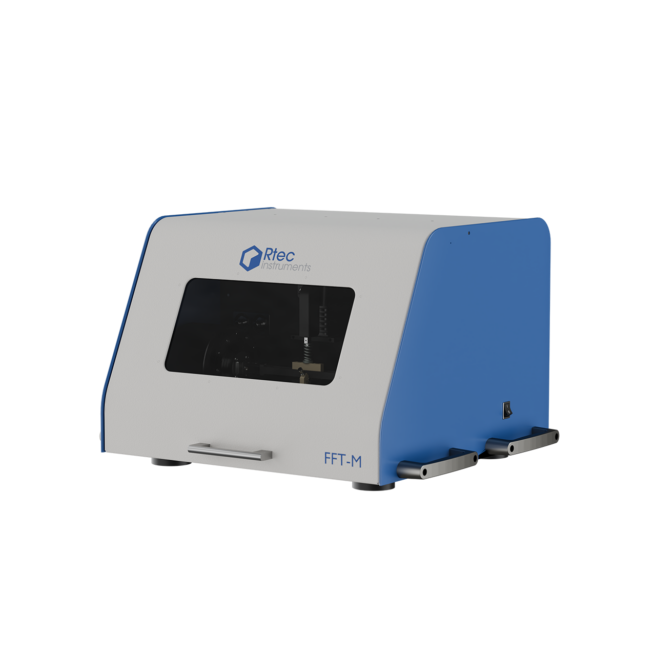
FFT-M Compact Fretting Tester
The FFT-M Fretting Tester is a compact, high-precision instrument designed for advanced fretting wear, friction, material, and coating characterization.
Featuring voice coil actuation, it delivers highly accurate stroke control from 5 µm to 2.8 mm at frequencies up to 300 Hz, with fully programmable normal force control for repeatable testing.
Integrated piezoelectric sensors provide real-time friction measurements with millinewton (mN) resolution, enabling precise analysis of tribological performance. Ideal for R&D laboratories, quality control, and materials research, the FFT-M supports reliable evaluation of wear resistance, coating durability, surface engineering, and product performance across a wide range of industrial applications.
KEY FEATURES
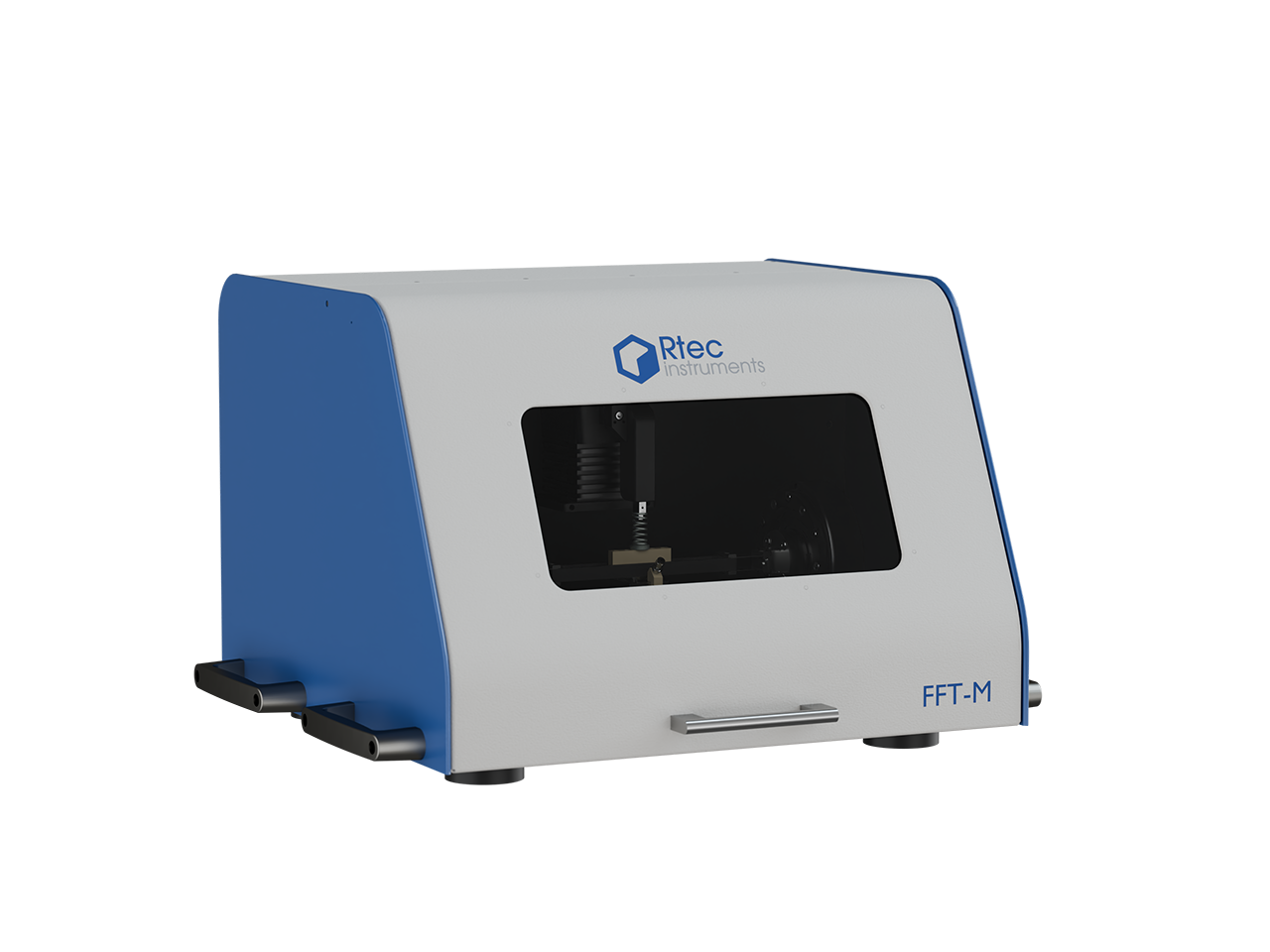
Electromagnet Based Ultra-Precise Micro-Motion Control
FFT-M delivers unmatched stroke precision down to micron and sub-micron levels, enabling accurate replication of real fretting conditions. Advanced voice coil actuation and high-resolution position control ensure consistent, repeatable motion, allowing users to precisely study coatings, thin films, and material interfaces under true micro-motion environments.
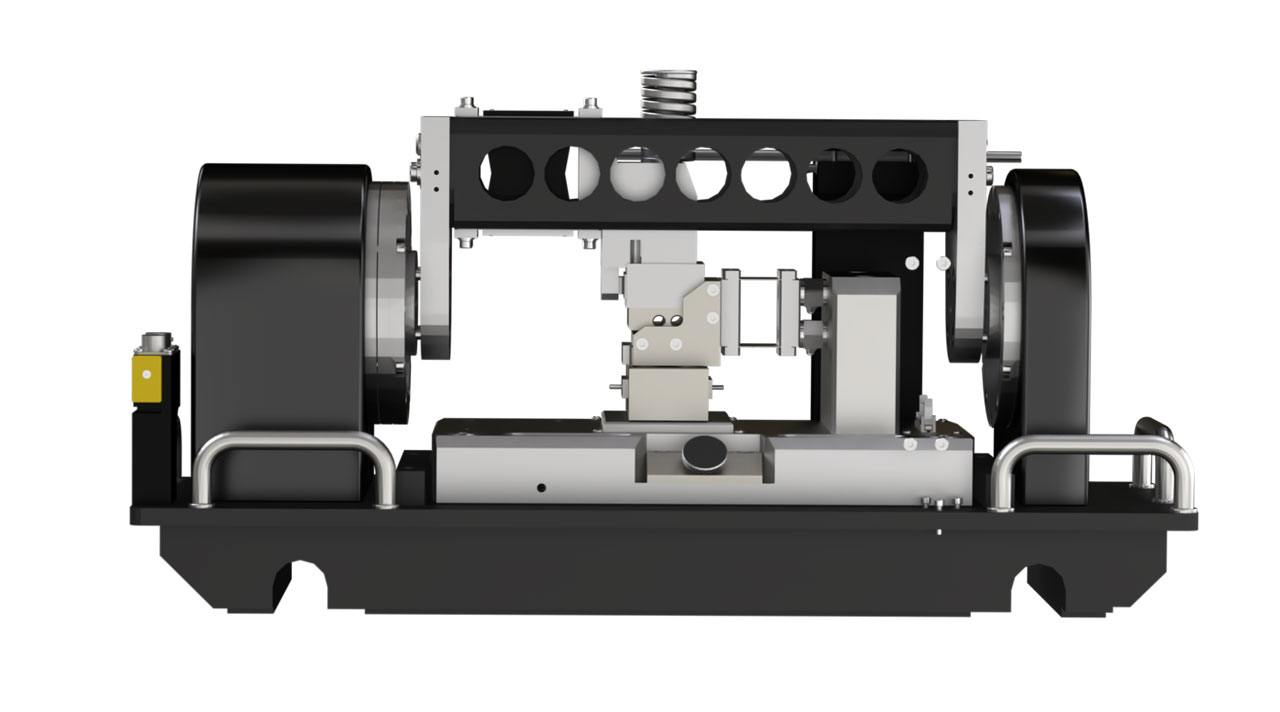
High-Resolution Piezo Sensors
Equipped with advanced piezo-based sensors, FFT-M captures real-time friction and force data with exceptional sensitivity. High-frequency acquisition detects even the smallest changes in material behavior, enabling early identification of wear mechanisms, improved test accuracy, and deeper insights without the need for extensive post-processing.
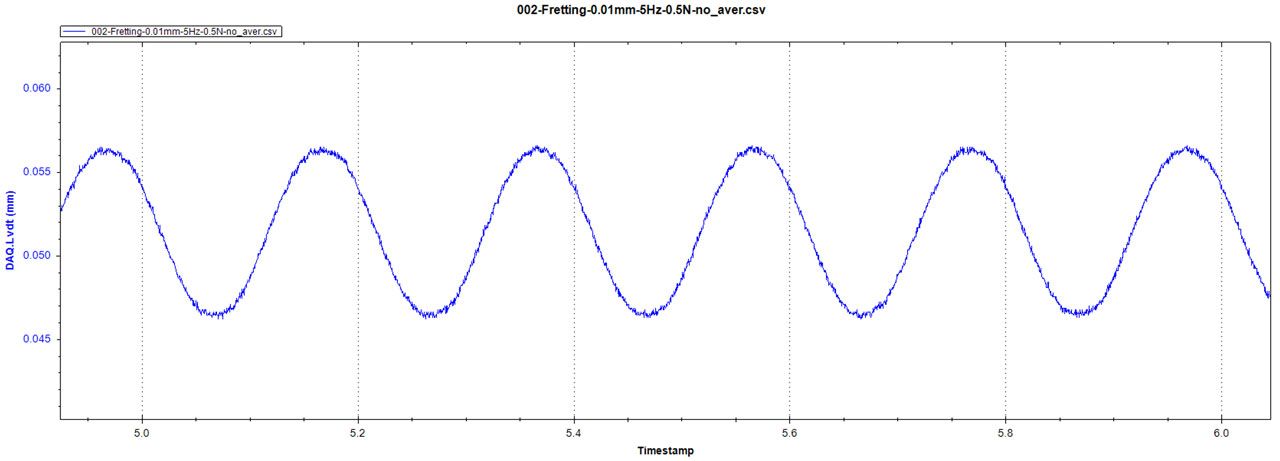
Real Time Stroke and Force Control
The FFT-M adjusts the test stroke from 5 µm to 2.8 mm. Real-time force control compensates for sample wear, and a wide force range (mN to 500 N) supports fretting wear testing at both micro and macro scales.
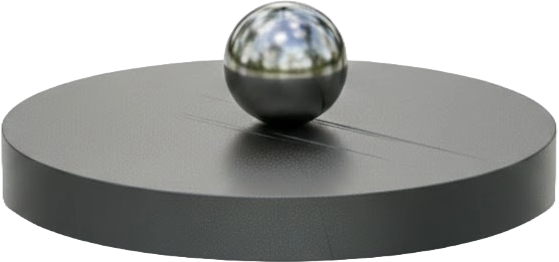
Rigid Frame Design
High frame stiffness enables true fretting testing and measurement at the test interface. Rigid holders coupled with a flexure-based design produce real wear marks at the micron level during the test.
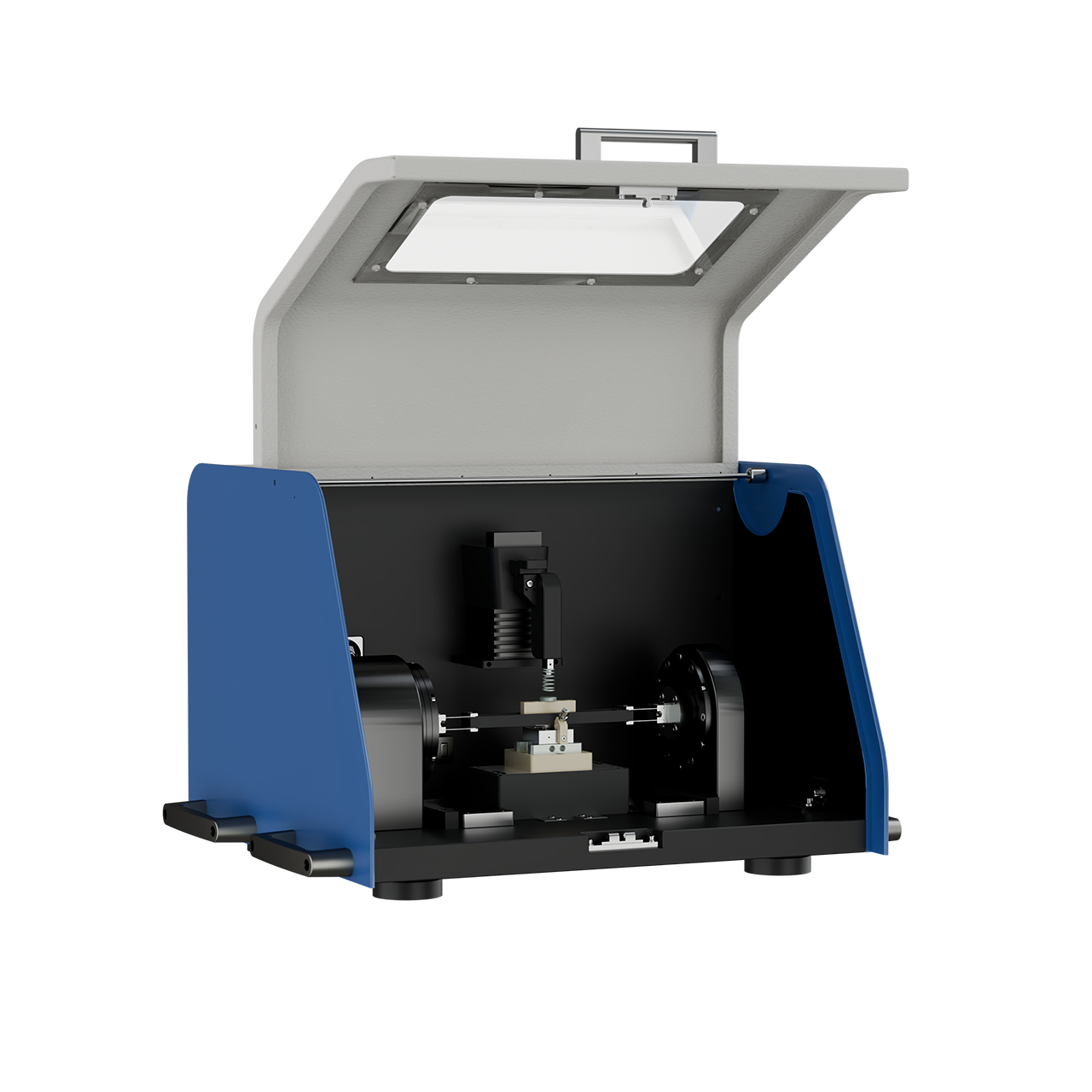
Integrated Environmental & Reliable System Design
With optional environmental control for temperature, humidity, and atmosphere, FFT-M enables advanced testing under realistic conditions. Its flexure-based architecture eliminates mechanical wear, ensuring long-term stability, minimal maintenance, and highly repeatable results—making it a dependable solution for continuous laboratory and industrial use.
More about
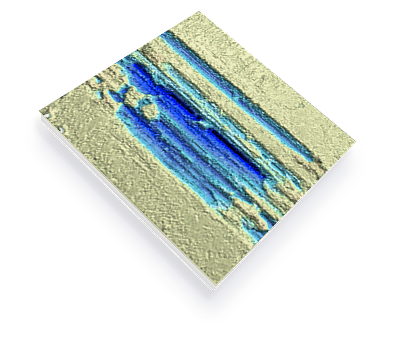
Why Fretting Tests?
Fretting occurs when two contacting surfaces are subjected to small-amplitude oscillatory motion under load. This causes repeated micro-slip at the contact interface. As a result, wear debris becomes trapped within the contact zone. Consequently, this accelerates wear, increases friction, and promotes surface damage such as oxidation, crack initiation, and fatigue. Over time, fretting can therefore significantly reduce component reliability and service life.
Fretting testing is essential for evaluating wear resistance and durability of materials, coatings, lubricants, and surface treatments. It plays a critical role in product development across many industries. These include aerospace, automotive, industrial machinery, electronics, medical devices, energy, and precision engineering — where cyclic contact and vibration are common. By understanding fretting behavior, engineers can furthermore optimize material selection and improve coating performance. Additionally, it helps extend component lifetime, reduce maintenance costs, and enhance overall product reliability.
Why Voice Coil Actuation, a Rigid Frame, and Advanced Control Matter
The accuracy of a fretting tester depends on its ability to reproduce controlled micrometer-scale motion while maintaining stable contact conditions. Traditional mechanical drive systems can introduce backlash, friction, and positioning errors, limiting the accuracy and repeatability of fretting tests. In contrast, voice coil actuation provides direct-drive, backlash-free motion, enabling precise stroke control from just a few micrometers to millimeter-scale displacements.
A high-stiffness, rigid frame minimizes unwanted deflection and vibration, ensuring that the contact conditions remain stable throughout the test. This results in smaller, more representative wear scars and more reliable measurements of friction and wear behavior.
As materials and surfaces evolve during a fretting test, the contact conditions continuously change. The FFT-M’s advanced closed-loop control system automatically adjusts motion and force parameters in real time, maintaining consistent test conditions and improving repeatability. Together, voice coil actuation, a rigid mechanical structure, and intelligent control deliver exceptional precision, repeatability, and data quality, making the FFT-M Fretting Tester an ideal solution for tribology research, material characterization, coating evaluation, and industrial quality control.
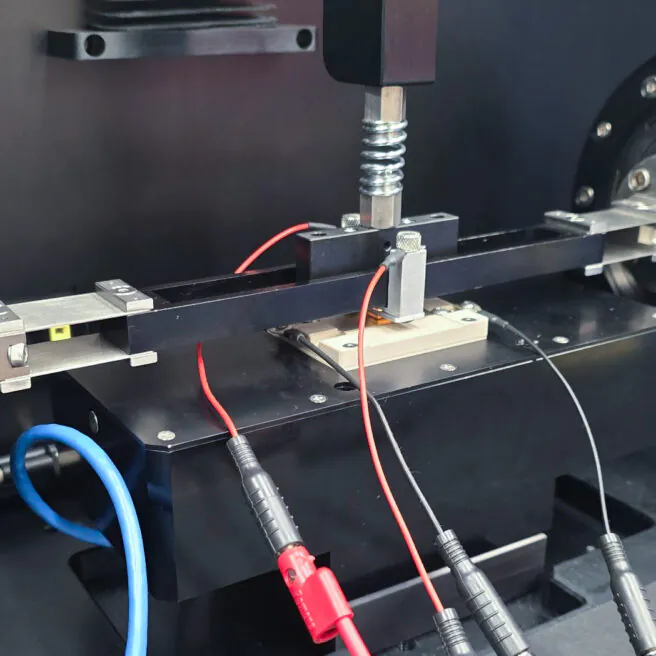
Electrical Connector Fretting Testing
Electrical connectors are highly susceptible to fretting corrosion, where small-amplitude vibrations and repeated micro-motion gradually damage contact surfaces, increase electrical contact resistance, and reduce long-term reliability. The FFT-M Fretting Tester enables precise evaluation of connector performance by continuously measuring changes in electrical resistance with micro-ohm (µΩ) resolution throughout a fretting test.
The FFT-M accurately reproduces both intentional mating and unmating cycles as well as unintended vibration experienced by connectors in real-world applications such as automotive, aerospace, railway, electronics, telecommunications, and industrial equipment. Engineers can investigate how environmental and electrical conditions—including temperature, humidity, current, and voltage—affect contact stability, wear, and fretting corrosion over time.
Dedicated fixtures allow commercial connectors to be mounted directly, eliminating the need for sample preparation or modification and ensuring that test results closely represent actual operating conditions. By combining precise motion control, programmable loading, and real-time resistance monitoring, the FFT-M Fretting Tester provides reliable data for electrical connector durability testing, contact resistance analysis, fretting corrosion research, materials characterization, product development, and quality assurance.
| Normal Load Range: | up to 20N, 200N, 500 N (configurable) |
|---|---|
| Displacement Amplitude: | 5 µm to 2.8 mm |
| Frequency Range: | Up to ~300 Hz |
| Motion Type: | Fast Linear reciprocating (fretting) |
| Friction Force Resolution: | High-resolution piezo sensor, down to mN level (configurable) |
| Stroke Control: | Closed-loop piezo/actuator control |
| Test Modes: | Constant load, constant displacement, programmable cycles |
| Environmental Options: | Ambient (optional temperature- up to 180/250/500/800°C); humidity |
| Data Acquisition: | Real-time friction, displacement, and cycle tracking |