Multi-Function Tribometers
FBT-1000 Automated Four Ball Tester
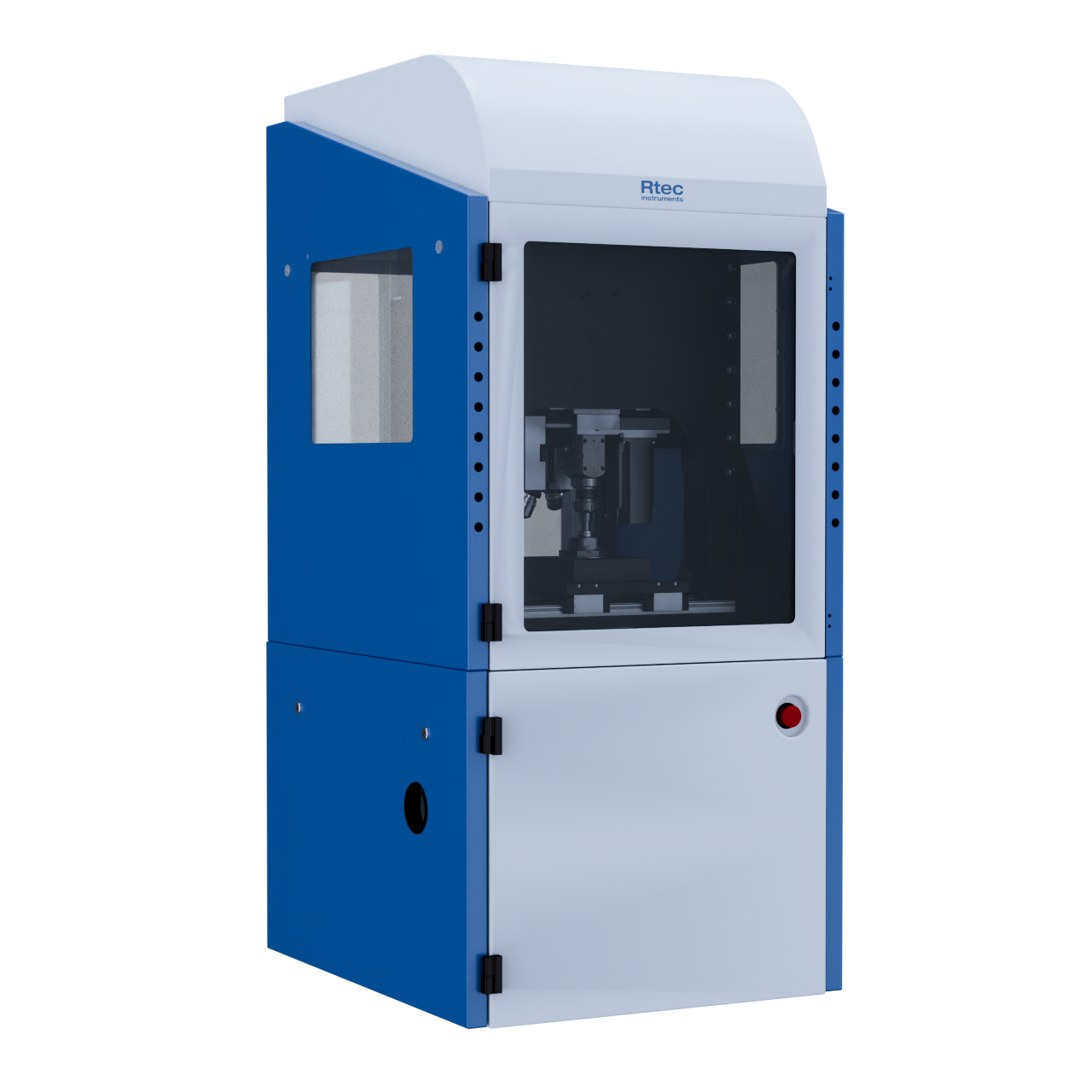
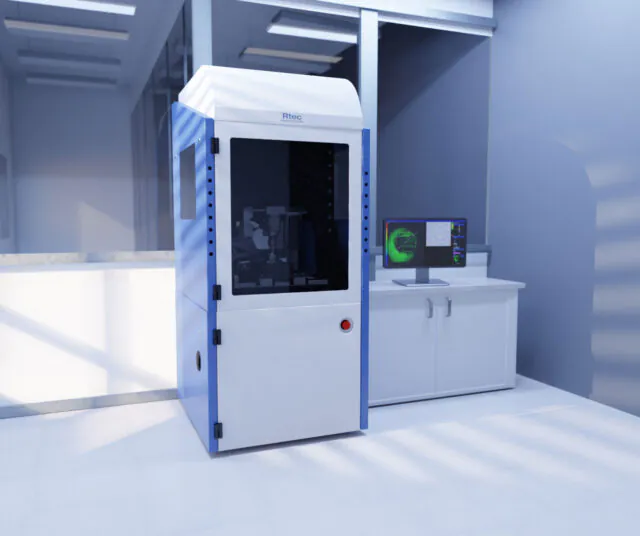
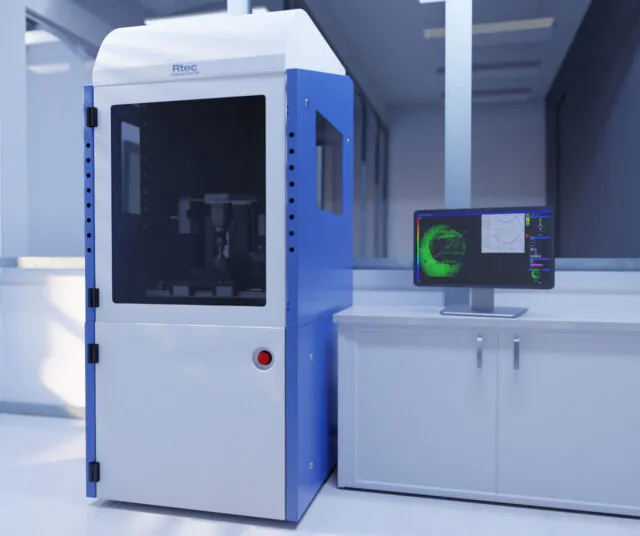
The FBT-1000 Four Ball Tester is a fully automated tribology system for evaluating the extreme-pressure (EP), anti-wear (AW), and friction performance of lubricating greases, oils, and additives. Featuring programmable closed-loop loading with integrated torque, downforce, and acoustic emission sensors, it delivers highly accurate, repeatable measurements while continuously monitoring test conditions. The FBT-1000 supports industry-standard methods including ASTM D2266, ASTM D4172, ASTM D2596, ASTM D2783, and other international standards, with automated test execution and reporting. Designed for lubricant formulation, additive development, quality control, and research laboratories, it provides fast, reliable results that accelerate product development and ensure compliance with industry specifications.
KEY FEATURES
Real-Time Programmable Load Control (No Dead Weights)
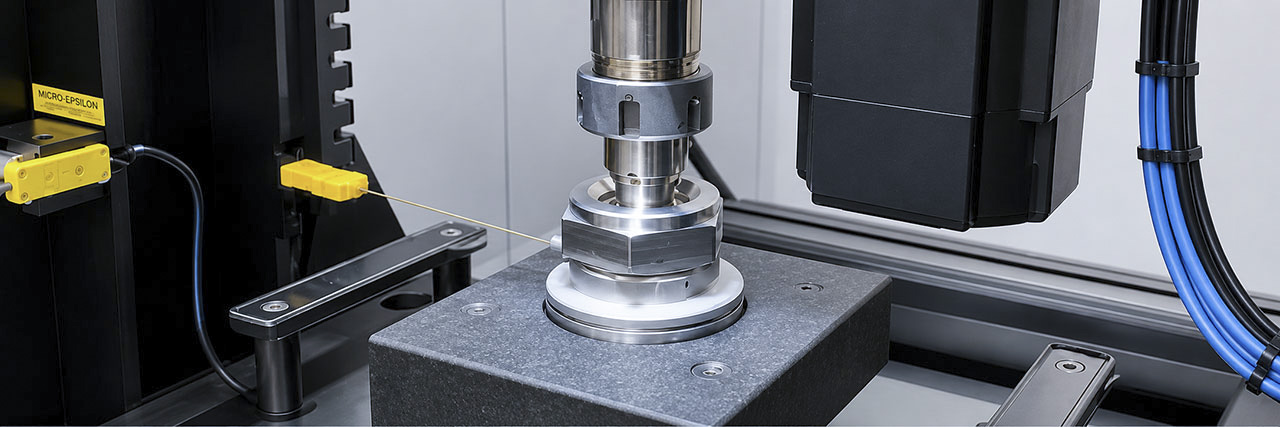
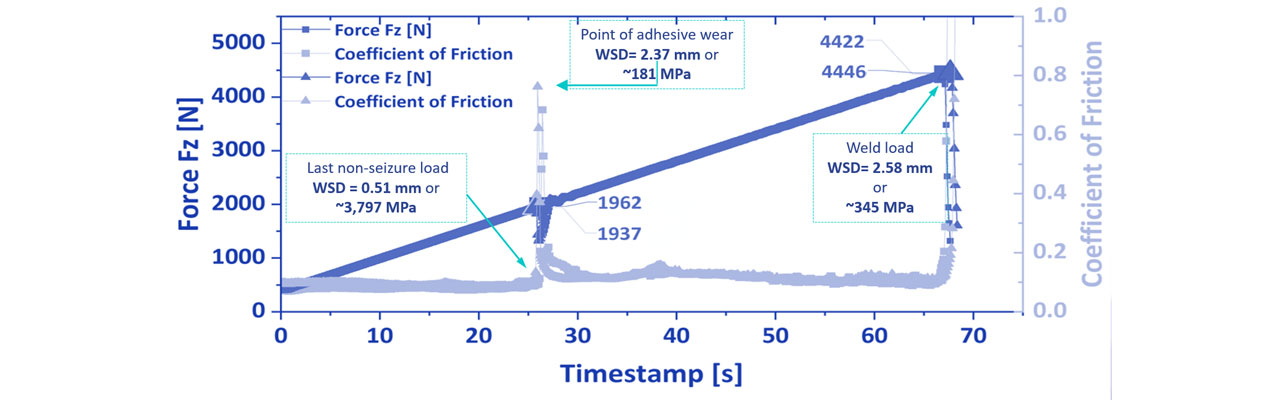
Apply forces up to 10'000 N with precise closed-loop control—without cumbersome dead weights. Fully programmable step or continuous load ramps ensure accurate, repeatable testing, making the FBT-1000 ideal for extreme-pressure (EP) evaluations where the load automatically increases until lubricant film failure occurs.
EP and Wear Test With Wide Environmental Range
Perform standard Four Ball wear and EP tests over a wide temperature range from -35°C to 400°C on a single platform. Optional modules expand capability to KRL shear stability, ½-inch ball Four Ball testing, and other specialized methods, maximizing laboratory flexibility while reducing equipment costs and bench space.
Highest Precision Sensors
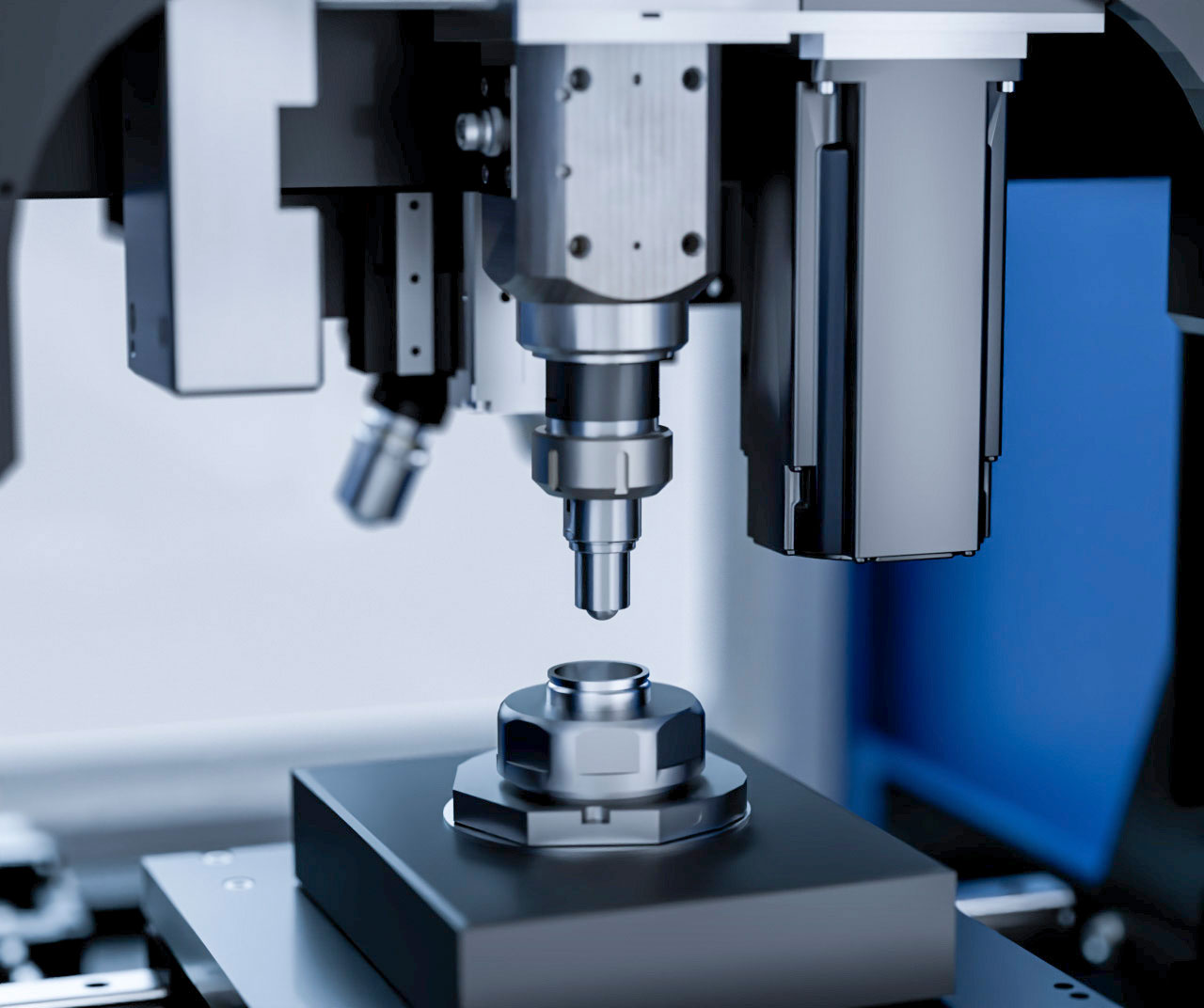
Integrated torque, downforce, and acoustic emission sensors continuously monitor every test, capturing friction behavior and lubricant film breakdown as it occurs. Unlike systems relying solely on post-test wear scar analysis, the FBT-1000 provides real-time insight into failure mechanisms, delivering deeper understanding and more reliable lubricant performance evaluation.
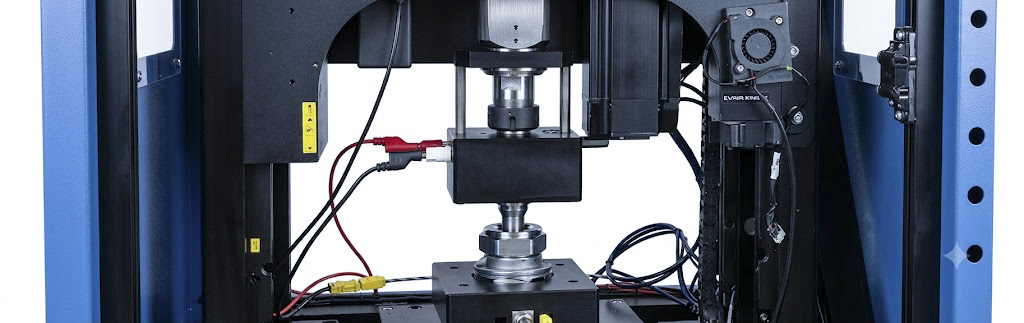
Electrified Lubricant Testing
Develop lubricants for the next generation of electric drivetrains with controlled electrical testing. The optional electrified module applies AC, DC, or programmed electrical conditions across the rotating four-ball contact, enabling evaluation of lubricant performance under electrical stress, reducing the risk of electrical wear, pitting, and premature bearing failure in EV applications.
Research-Grade Flexibility Beyond ASTM Testing
Go beyond standard ASTM methods with complete control of load, speed, temperature, and test duration. Create custom test sequences to investigate additive performance, temperature effects, lubrication regimes, and failure mechanisms under application-specific conditions—providing insights that fixed-parameter tests cannot deliver.
Easy Testing & Automated Reporting
Intuitive, recipe-driven software automates the entire test sequence, minimizing operator involvement and ensuring consistent, repeatable results. At test completion, friction data, wear scar measurements, sensor signals, and operating conditions are automatically analyzed and compiled into a standardized report—accelerating routine testing, quality control, and research workflows.
More about
Real-Time Force Control – Maximum Performance, Unmatched Precision
Real-Time Force Control – Precision Without Dead Weights
Eliminate cumbersome dead weights and achieve highly accurate, closed-loop force control across the entire load range. The FBT-1000 automatically applies linear or progressive loading profiles with exceptional precision and repeatability, minimizing operator influence and maximizing laboratory productivity. Continuous real-time force regulation ensures every test is performed exactly as programmed, delivering reliable results for ASTM wear testing, extreme-pressure (EP) evaluation, lubricant development, and advanced tribology research. Designed for today’s standards and tomorrow’s requirements, the system provides the flexibility to adapt to new test methods without hardware modifications.
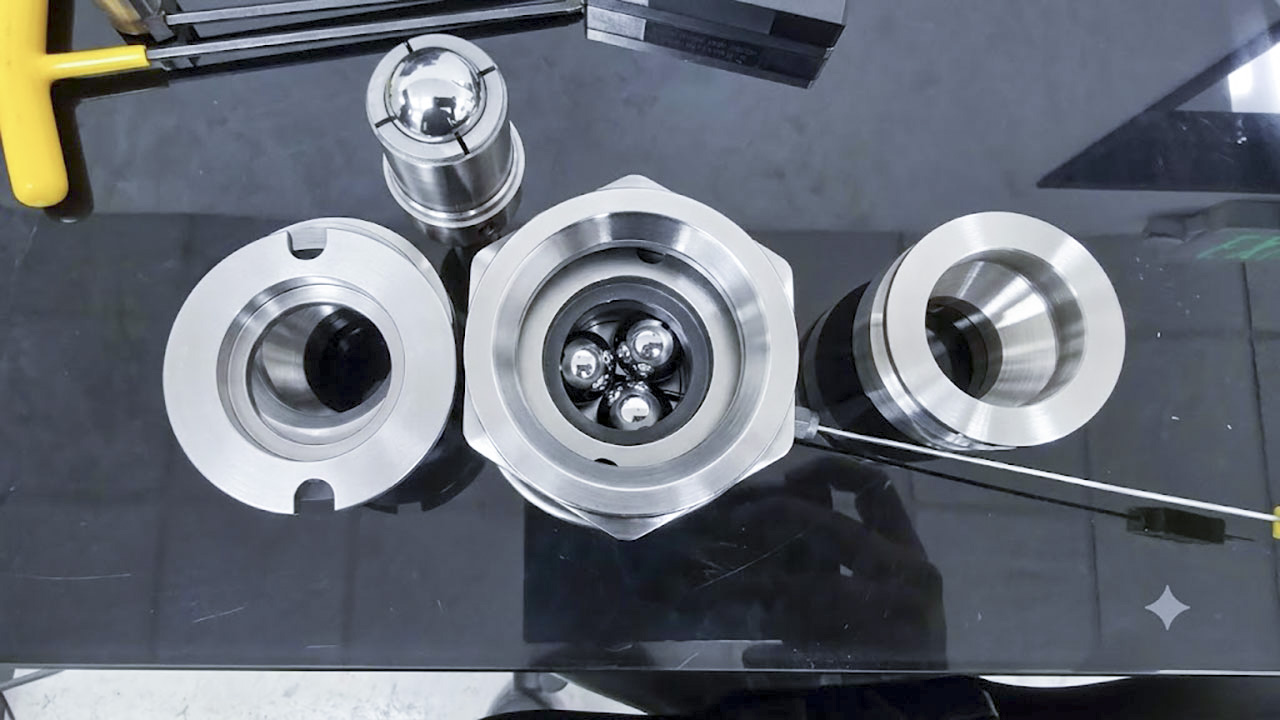
Interchangeable Modules: Cryo, Heat, ½-Inch, and KRL
Expand the capabilities of your 4-Ball Tester with a range of interchangeable modules designed for maximum flexibility and real-world lubricant testing. Quickly switch between modules to evaluate greases, lubricating oils, and specialty fluids under a variety of operating conditions. Cryogenic and heated cup modules provide precise temperature control from −35°C to 200°C, with an optional 400°C configuration for extreme applications. The ½-inch ball adapter supports alternative specimen sizes, while the KRL module enables grease shear stability testing. This modular platform reduces equipment costs, simplifies laboratory workflows, and provides a future-proof solution for advanced tribology, wear, and friction testing across multiple industry standards.
Electrified Four Ball Testing
As electrification transforms automotive, aerospace, renewable energy, and industrial systems, understanding the effects of electrical currents on friction, wear, and lubrication is becoming essential. Electrical potentials can accelerate corrosion, disrupt lubricant films, and promote micro-pitting, electrical erosion, and premature component failure.
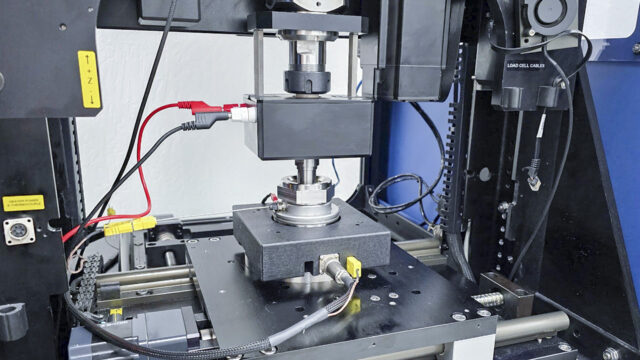
The Electrified FBT-1000 applies controlled AC or DC electrical loads across the four-ball contact while measuring electrical contact behavior under realistic operating conditions. Its fully insulated design delivers accurate, repeatable results for developing lubricants and materials for electric motors, bearings, gears, and electrified drivetrains. Despite its advanced capabilities, the system retains the same intuitive one-click operation as the standard FBT-1000, making electrified tribology testing fast, simple, and highly reliable.
Wear Scar Analysis with Integrated 3D Profilometry
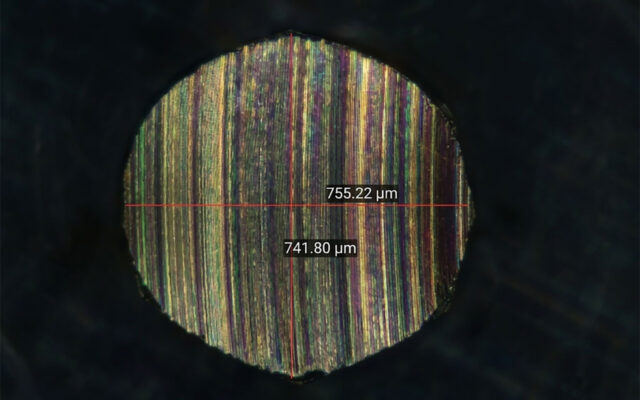
Go beyond simple wear scar diameter measurements with an integrated 3D optical profilometer. The FBT-1000 automatically measures wear scar diameter, depth, volume, and surface morphology, providing a comprehensive understanding of lubricant performance and wear mechanisms. High-resolution 3D topography reveals material deformation, abrasion, and surface damage that conventional microscope images cannot quantify. By combining standardized ASTM Four Ball testing with advanced surface metrology, researchers and quality control laboratories gain deeper insight into anti-wear performance, additive effectiveness, and failure mechanisms—all on a single automated platform.
| Load Range | Up to 8'000 N / 10'000 N (selectable at order) |
|---|---|
| Temperature Range | −35°C to 200°C (400°C upgrade) |
| Humidity controller | 5 to 95% RH |
| Speed | Up to 2500 rpm |