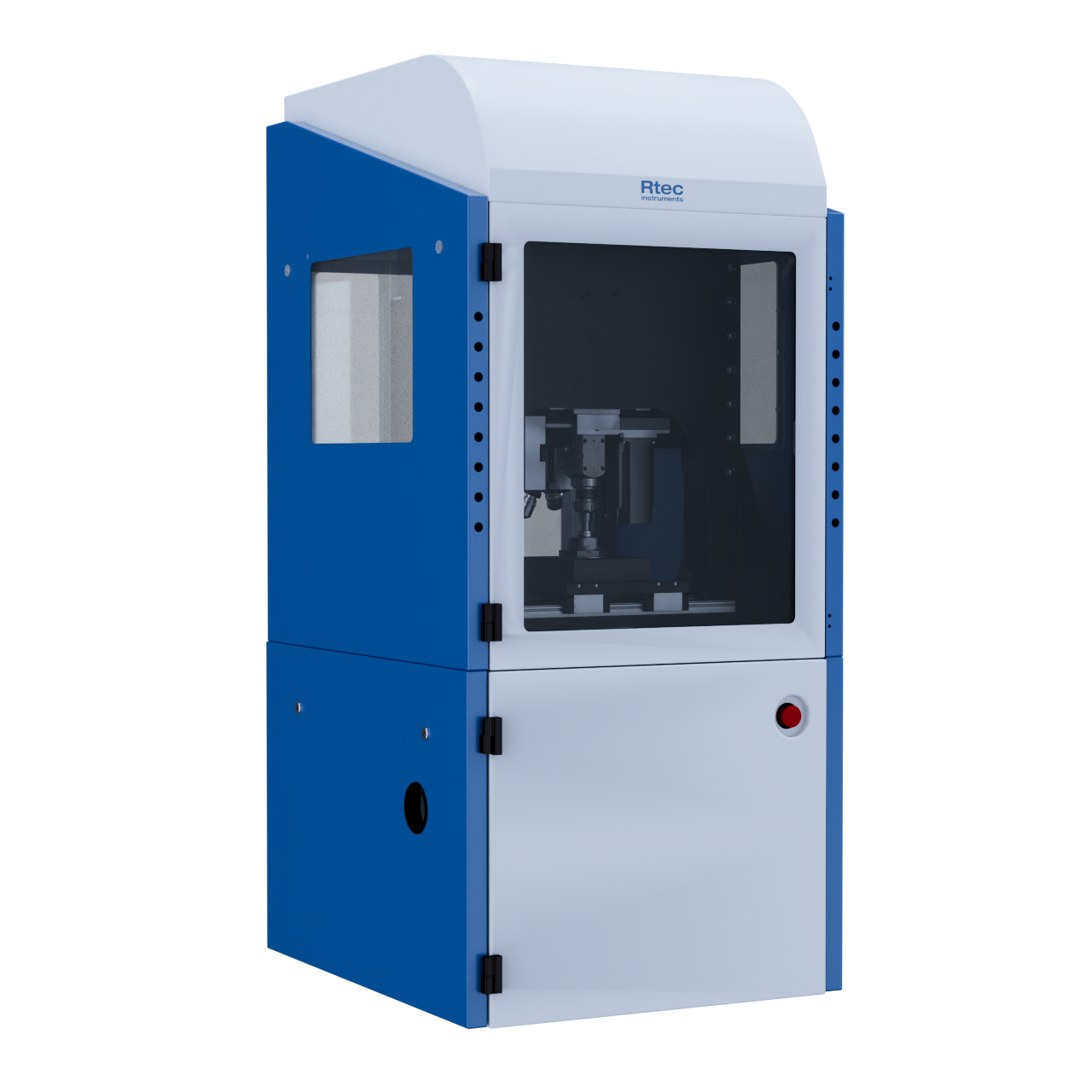
Roll- und Gleit-Tribometer
FBT-1000 Automatischer Vier-Kugel-Prüfgerät
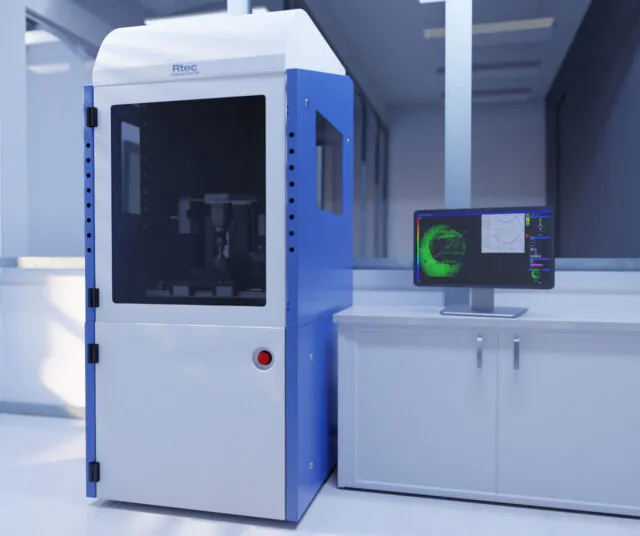
Der Vierkugel-Prüfstand FBT-1000 ist ein vollautomatisches Tribologiesystem zur Bewertung der Extremdruck- (EP), Verschleißschutz- (AW) und Reibungseigenschaften von Schmierfetten, Ölen und Additiven. Dank der programmierbaren Lastregelung mit integrierten Drehmoment-, Anpresskraft- und Akustikemissionssensoren liefert das Gerät hochpräzise, wiederholbare Messergebnisse und überwacht dabei kontinuierlich die Prüfbedingungen. Der FBT-1000 unterstützt branchenübliche Methoden wie ASTM D2266, ASTM D4172, ASTM D2596, ASTM D2783 sowie weitere internationale Normen und bietet eine automatisierte Prüfdurchführung und Berichterstellung. Entwickelt für die Schmierstoffformulierung, die Additiventwicklung, die Qualitätskontrolle und Forschungslabore, liefert es schnelle, zuverlässige Ergebnisse, die die Produktentwicklung beschleunigen und die Einhaltung von Branchenspezifikationen gewährleisten.
HAUPTMERKMALE
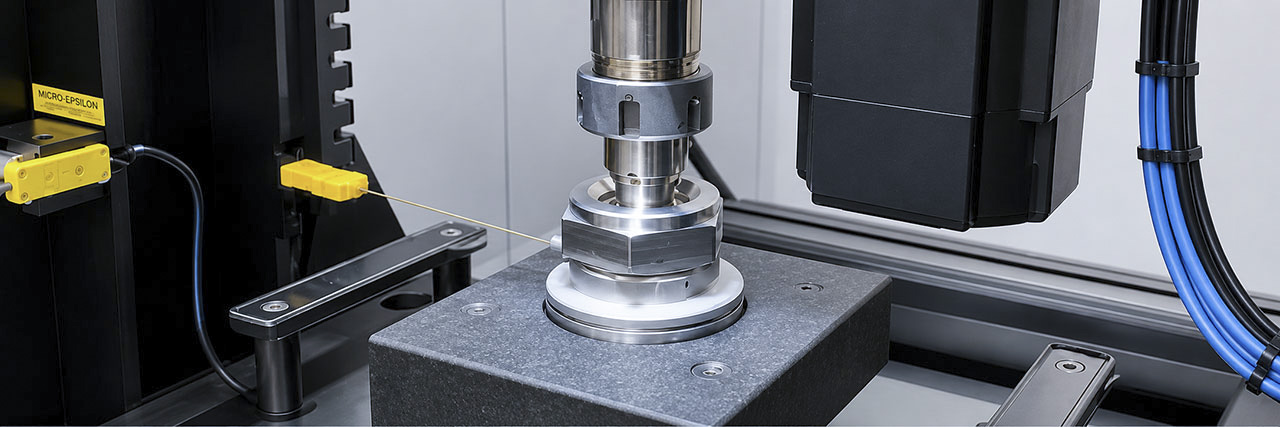
Programmierbare Laststeuerung in Echtzeit (keine toten Gewichte)
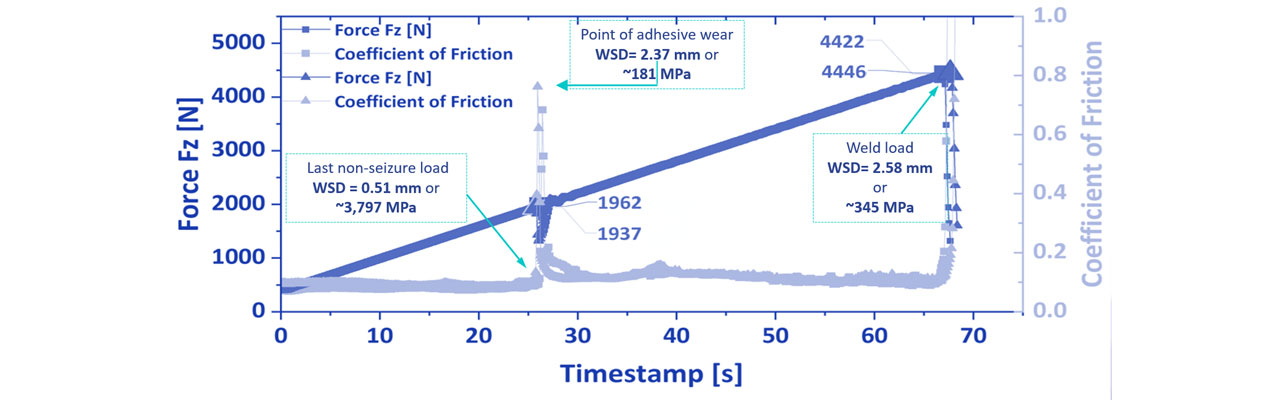
Üben Sie Kräfte von bis zu 10.000 N mit präziser Regelung im geschlossenen Regelkreis aus – ganz ohne umständliche Gegengewichte. Vollständig programmierbare, schrittweise oder kontinuierliche Belastungsrampen gewährleisten genaue und wiederholbare Prüfungen, wodurch sich das FBT-1000 ideal für Extremdruckprüfungen (EP-Prüfungen) eignet, bei denen die Belastung automatisch erhöht wird, bis der Schmierfilmversagen eintritt.
EP- und Verschleißprüfung unter breit gefächerten Umgebungsbedingungen
Führen Sie Standard-Vierkugel-Verschleiß- und EP-Prüfungen über einen breiten Temperaturbereich von -35 °C bis 400 °C auf einer einzigen Plattform durch. Optionale Module erweitern die Leistungsfähigkeit um KRL-Scherfestigkeitsprüfungen, Vierkugel-Prüfungen mit einer ½-Zoll-Kugel sowie weitere Spezialverfahren, wodurch die Flexibilität im Labor maximiert und gleichzeitig die Gerätekosten sowie der Platzbedarf auf dem Labortisch reduziert werden.
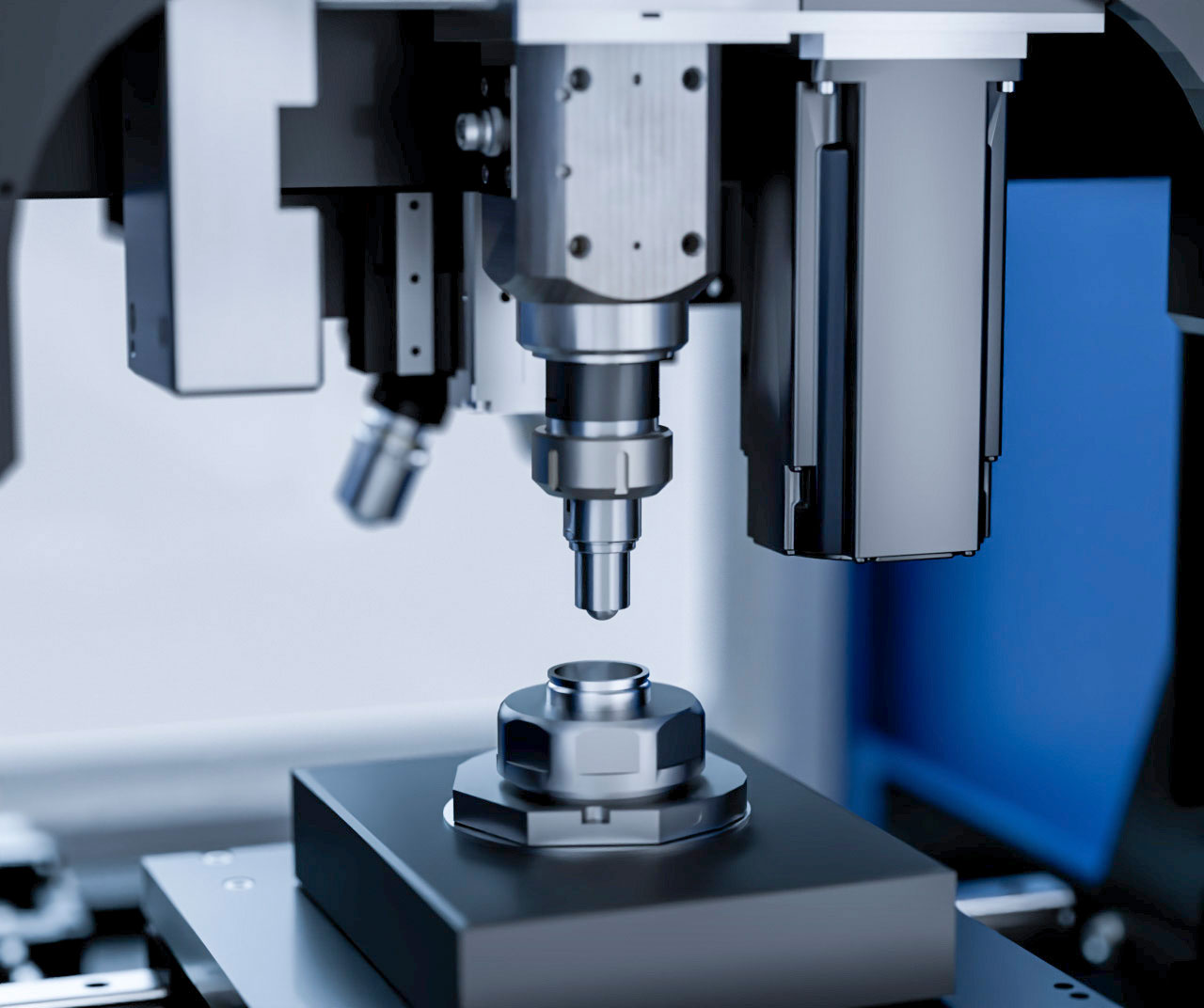
Sensoren mit höchster Präzision
Integrierte Drehmoment-, Abtriebskraft- und Akustikemissionssensoren überwachen jeden Test kontinuierlich und erfassen das Reibungsverhalten sowie den Zusammenbruch des Schmierfilms in Echtzeit. Im Gegensatz zu Systemen, die sich ausschließlich auf die Analyse von Verschleißspuren nach dem Test stützen, bietet das FBT-1000 Echtzeit-Einblicke in Versagensmechanismen und ermöglicht so ein tieferes Verständnis sowie eine zuverlässigere Bewertung der Schmierstoffleistung.
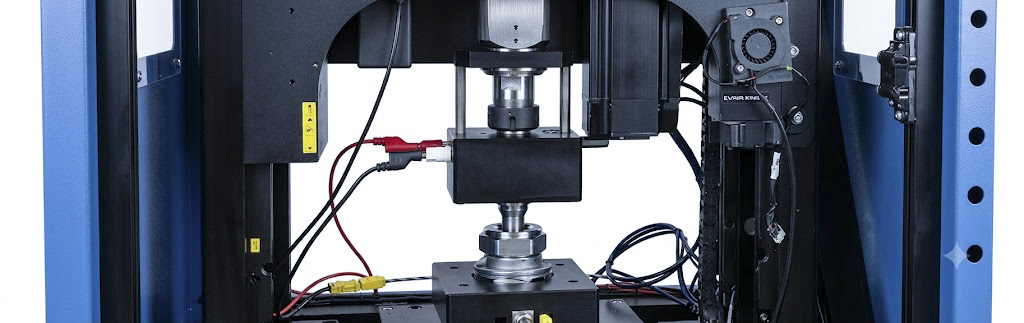
Prüfung elektrisch leitfähiger Schmierstoffe
Entwickeln Sie Schmierstoffe für die nächste Generation elektrischer Antriebsstränge mithilfe kontrollierter elektrischer Prüfverfahren. Das optionale Elektrifizierungsmodul legt an den rotierenden Vier-Kugel-Kontakt Wechselstrom, Gleichstrom oder programmierte elektrische Bedingungen an und ermöglicht so die Bewertung der Schmierstoffleistung unter elektrischer Belastung. Dadurch wird das Risiko von elektrischem Verschleiß, Lochfraß und vorzeitigem Lagerausfall in Elektrofahrzeuganwendungen verringert.
Flexibilität in Forschungsqualität über ASTM-Tests hinaus
Gehen Sie über die standardmäßigen ASTM-Verfahren hinaus und nutzen Sie die vollständige Kontrolle über Belastung, Geschwindigkeit, Temperatur und Prüfdauer. Erstellen Sie individuelle Prüfabläufe, um die Leistung von Additiven, Temperatureinflüsse, Schmierverhältnisse und Versagensmechanismen unter anwendungsspezifischen Bedingungen zu untersuchen – und gewinnen Sie so Erkenntnisse, die Prüfungen mit festen Parametern nicht liefern können.
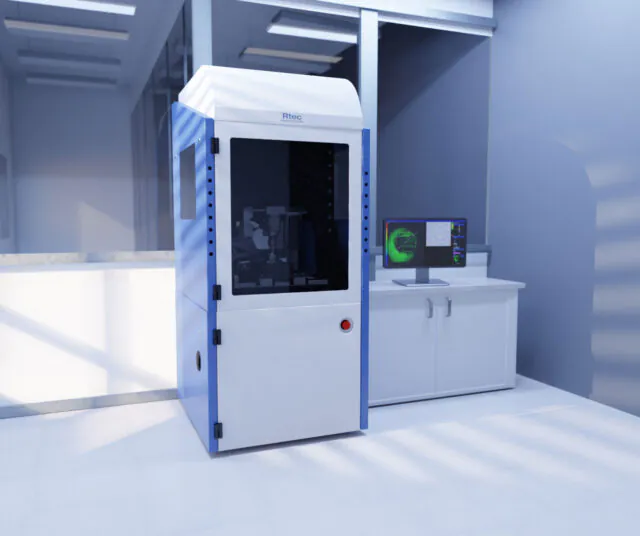
Einfache Tests und automatisierte Berichterstellung
Eine intuitive, rezeptgesteuerte Software automatisiert den gesamten Testablauf, minimiert den Bedienereinsatz und gewährleistet konsistente, wiederholbare Ergebnisse. Nach Abschluss des Tests werden Reibungsdaten, Messungen der Verschleißspuren, Sensorsignale und Betriebsbedingungen automatisch analysiert und in einem standardisierten Bericht zusammengefasst – wodurch Routineprüfungen, Qualitätskontrollen und Forschungsabläufe beschleunigt werden.
Mehr dazu
Echtzeit-Kraftsteuerung – Maximale Leistung, unübertroffene Präzision
Echtzeit-Kraftsteuerung – Präzision ohne Ballast
Vermeiden Sie umständliche Totgewichte und erzielen Sie eine hochpräzise, geregelte Kraftsteuerung über den gesamten Belastungsbereich. Das FBT-1000 wendet automatisch lineare oder progressive Belastungsprofile mit außergewöhnlicher Präzision und Wiederholgenauigkeit an, wodurch der Einfluss des Bedieners minimiert und die Produktivität im Labor maximiert wird. Die kontinuierliche Kraftregelung in Echtzeit gewährleistet, dass jeder Test exakt wie programmiert durchgeführt wird, und liefert zuverlässige Ergebnisse für ASTM-Verschleißprüfungen, Extremdruck-Bewertungen (EP), die Schmierstoffentwicklung sowie die fortgeschrittene Tribologieforschung. Das System wurde für die heutigen Standards und die Anforderungen von morgen konzipiert und bietet die Flexibilität, sich ohne Hardware-Änderungen an neue Prüfverfahren anzupassen.
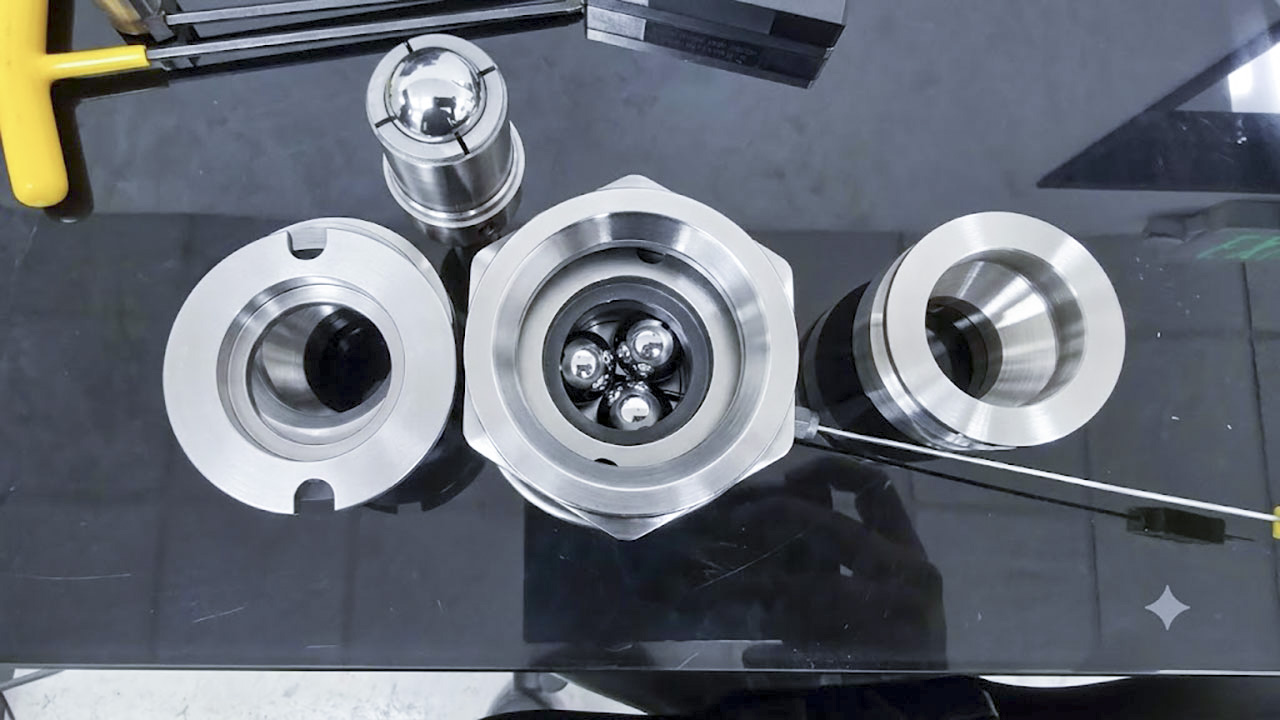
Austauschbare Module: Cryo, Heat, ½-Zoll und KRL
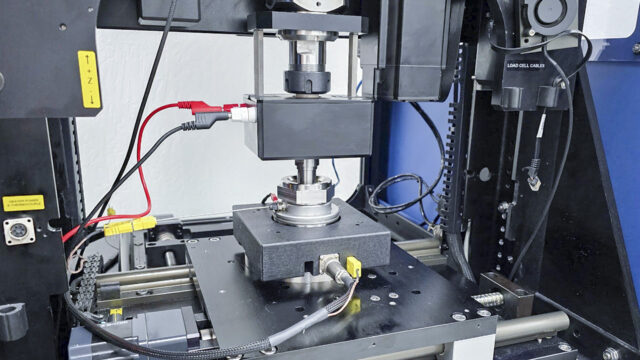
Erweitern Sie die Funktionen Ihres 4-Ball-Testers mit einer Reihe austauschbarer Module, die auf maximale Flexibilität und praxisnahe Schmierstoffprüfungen ausgelegt sind. Wechseln Sie schnell zwischen den Modulen, um Fette, Schmieröle und Spezialflüssigkeiten unter einer Vielzahl von Betriebsbedingungen zu bewerten. Kryogene und beheizte Bechermodule ermöglichen eine präzise Temperaturregelung von −35 °C bis 200 °C, mit einer optionalen 400-°C-Konfiguration für extreme Anwendungen. Der ½-Zoll-Kugeladapter unterstützt alternative Probengrößen, während das KRL-Modul die Prüfung der Scherstabilität von Schmierfetten ermöglicht. Diese modulare Plattform senkt die Ausrüstungskosten, vereinfacht die Arbeitsabläufe im Labor und bietet eine zukunftssichere Lösung für anspruchsvolle Tribologie-, Verschleiß- und Reibungsprüfungen gemäß verschiedener Industriestandards.
„Electrified Four Ball“-Testverfahren
Da die Elektrifizierung die Automobil-, Luft- und Raumfahrt-, Erneuerbare-Energien- sowie die Industriebranche grundlegend verändert, wird es immer wichtiger, die Auswirkungen elektrischer Ströme auf Reibung, Verschleiß und Schmierung zu verstehen. Elektrische Spannungen können Korrosion beschleunigen, Schmierfilme zerstören und Mikropitting, elektrische Erosion sowie vorzeitige Bauteilausfälle begünstigen.
Das elektrifizierte FBT-1000 legt kontrollierte Wechselstrom- oder Gleichstromlasten an den Vier-Kugel-Kontakt an und misst dabei das elektrische Kontaktverhalten unter realistischen Betriebsbedingungen. Seine vollständig isolierte Bauweise liefert präzise, wiederholbare Ergebnisse für die Entwicklung von Schmierstoffen und Werkstoffen für Elektromotoren, Lager, Getriebe und elektrifizierte Antriebsstränge. Trotz seiner fortschrittlichen Funktionen verfügt das System weiterhin über die gleiche intuitive Ein-Klick-Bedienung wie das Standardmodell FBT-1000, wodurch tribologische Prüfungen an elektrifizierten Systemen schnell, einfach und äußerst zuverlässig durchgeführt werden können.
Analyse von Verschleißspuren mit integrierter 3D-Profilometrie
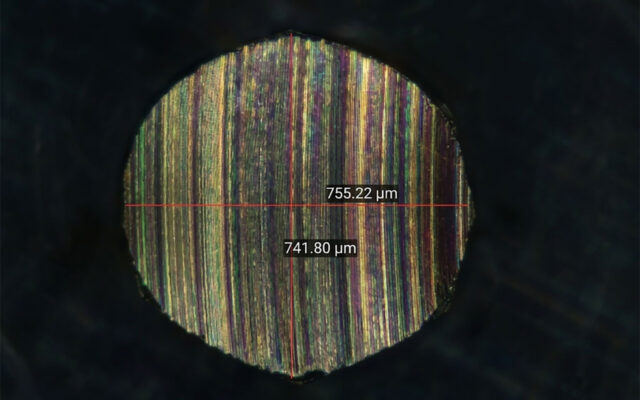
Gehen Sie mit einem integrierten optischen 3D-Profilometer über einfache Messungen des Durchmessers von Verschleißspuren hinaus. Das FBT-1000 misst automatisch den Durchmesser, die Tiefe, das Volumen und die Oberflächenmorphologie von Verschleißspuren und liefert so ein umfassendes Verständnis der Schmierstoffleistung und der Verschleißmechanismen. Die hochauflösende 3D-Topografie deckt Materialverformungen, Abrieb und Oberflächenschäden auf, die mit herkömmlichen Mikroskopaufnahmen nicht quantifiziert werden können. Durch die Kombination standardisierter ASTM-Vierkugel-Tests mit fortschrittlicher Oberflächenmesstechnik erhalten Forscher und Qualitätskontrolllabore tiefere Einblicke in die Verschleißschutzleistung, die Wirksamkeit von Additiven und Versagensmechanismen – und das alles auf einer einzigen automatisierten Plattform.
| Lastbereich | Bis zu 8.000 N / 10.000 N (bei Bestellung wählbar) |
|---|---|
| Temperaturbereich | −35 °C bis 200 °C (Erweiterung auf 400 °C) |
| Luftfeuchtigkeitsregler | 5 bis 95% RH |
| Geschwindigkeit | Bis zu 2.500 U/min |