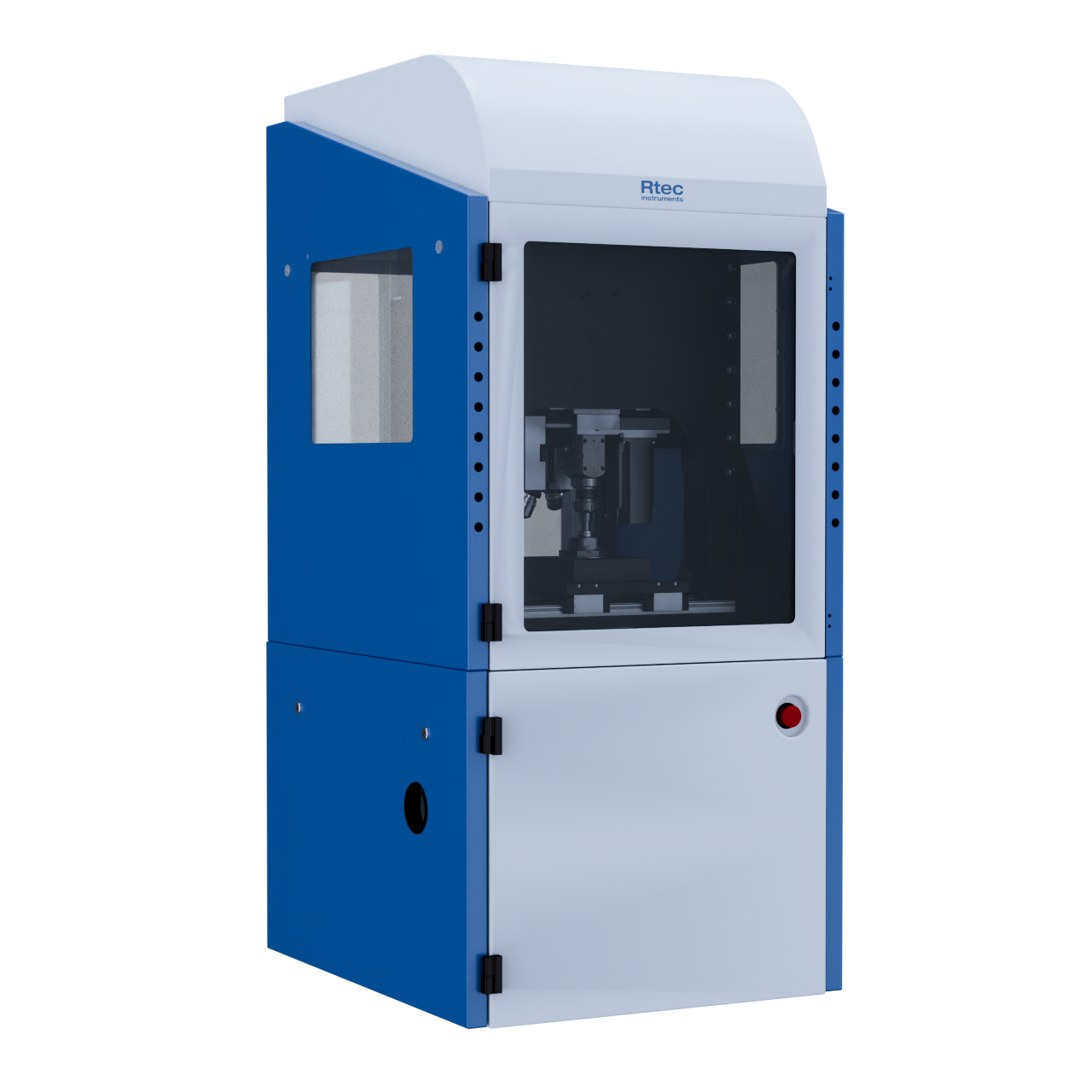
転がり・滑りトライボメーター
FBT-1000 自動4球試験機
FBT-1000 4ボール試験機は、潤滑グリース、潤滑油、および添加剤の極圧(EP)、耐摩耗性(AW)、ならびに摩擦性能を評価するための全自動トライボロジーシステムです。 トルク、ダウンフォース、およびアコースティックエミッションセンサーを内蔵したプログラム可能な閉ループ荷重方式を採用しており、試験条件を継続的に監視しながら、高精度で再現性の高い測定を実現します。 FBT-1000 は、ASTM D2266、ASTM D4172、ASTM D2596、ASTM D2783 などの業界標準方法やその他の国際規格に対応しており、試験の自動実行とレポート作成が可能です。 潤滑剤の配合、添加剤の開発、品質管理、および研究機関向けに設計されており、迅速かつ信頼性の高い結果を提供することで、製品開発を加速し、業界仕様の遵守を確実にします。
主な特長
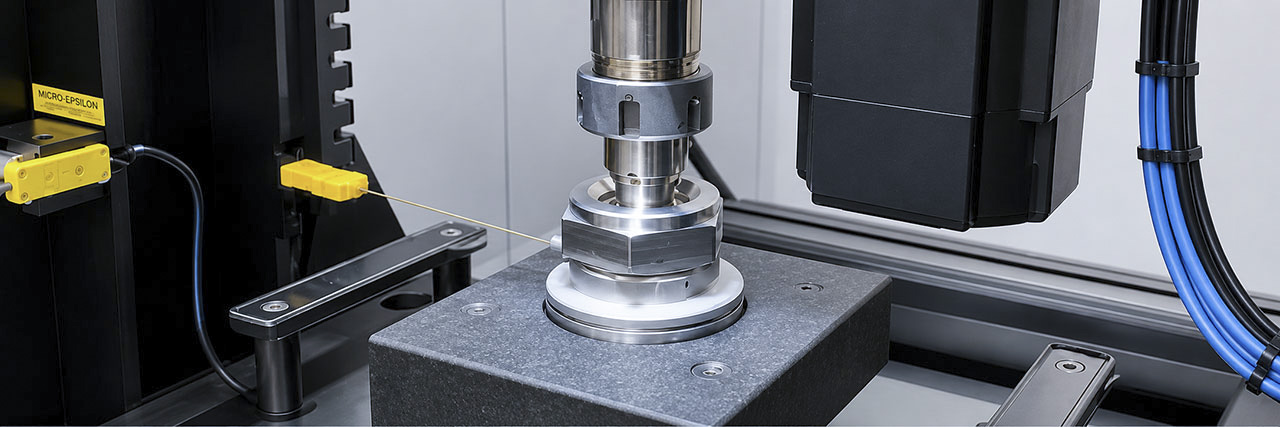
リアルタイム・プログラマブル・ロード・コントロール(デッドウェイトなし)
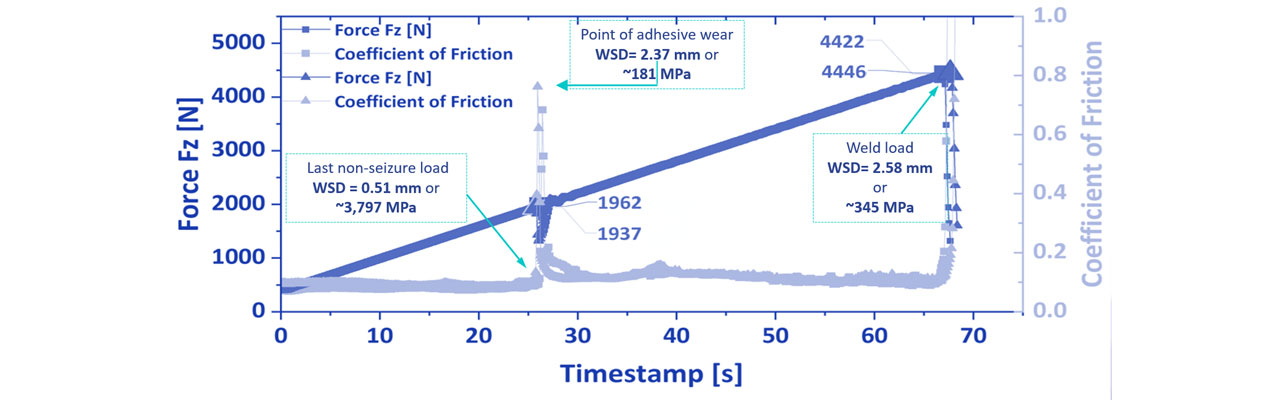
煩わしい重りを使用することなく、精密な閉ループ制御により最大10,000 Nの荷重を印加できます。完全にプログラム可能なステップ式または連続式の荷重ランプにより、正確で再現性の高い試験が可能となるため、FBT-1000は、潤滑膜が破壊されるまで荷重が自動的に増加する極圧(EP)評価に最適です。
幅広い環境条件下におけるEP試験および摩耗試験
単一のプラットフォーム上で、-35°Cから400°Cまでの幅広い温度範囲において、標準的なフォーボール摩耗試験およびEP試験を実施できます。オプションのモジュールを追加することで、KRLせん断安定性試験、1/2インチボールによるフォーボール試験、その他の特殊な試験方法にも対応可能となり、装置コストと実験台スペースを削減しつつ、実験室の柔軟性を最大限に高めます。
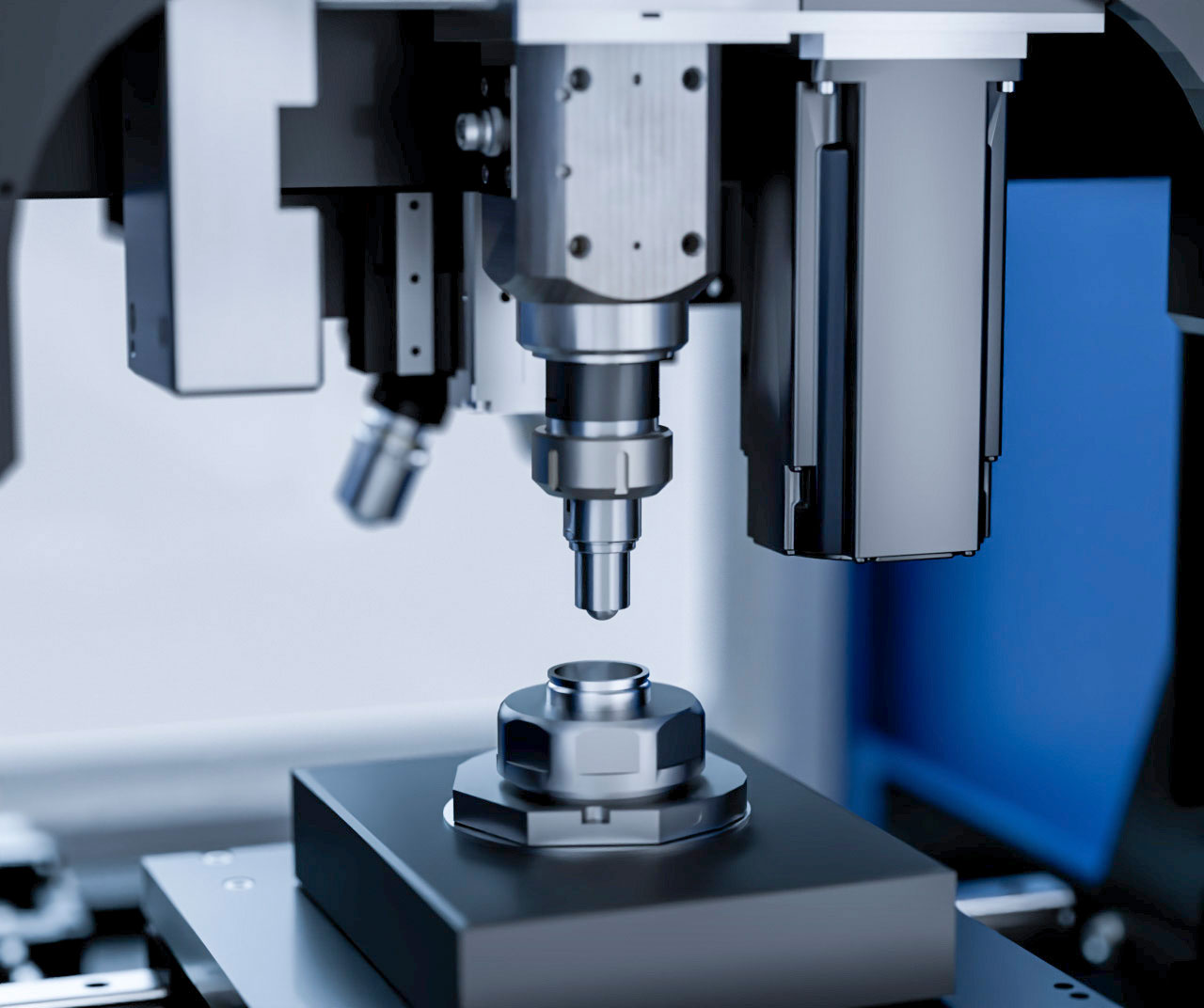
最高精度のセンサー
トルク、ダウンフォース、および音響エミッションセンサーを統合したシステムが、あらゆる試験を継続的に監視し、摩擦挙動や潤滑膜の破壊を発生と同時に捉えます。試験後の摩耗痕の分析のみに依存するシステムとは異なり、FBT-1000は破壊メカニズムに関するリアルタイムの知見を提供し、より深い理解と、より信頼性の高い潤滑性能評価を実現します。
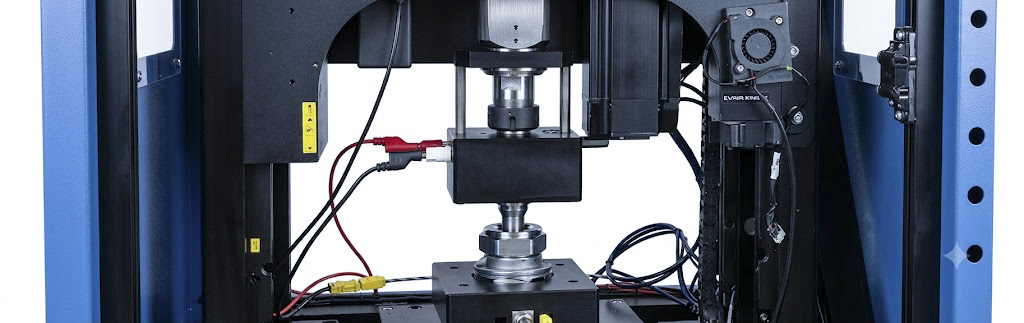
帯電性潤滑剤の試験
制御された電気試験により、次世代の電気駆動系向け潤滑剤を開発します。オプションの電動モジュールは、回転する4ボール接触部に交流、直流、またはプログラムされた電気条件を印加することで、電気的ストレス下における潤滑剤の性能評価を可能にし、EV用途における電気的摩耗、ピッチング、およびベアリングの早期故障のリスクを低減します。
ASTM試験を超える研究グレードの柔軟性
荷重、速度、温度、試験時間を完全に制御することで、標準的なASTM試験方法の枠を超えた試験が可能になります。用途に応じた条件下で、添加剤の性能、温度の影響、潤滑状態、および破壊メカニズムを調査するための独自の試験シーケンスを作成することで、固定パラメータ試験では得られない知見を得ることができます。
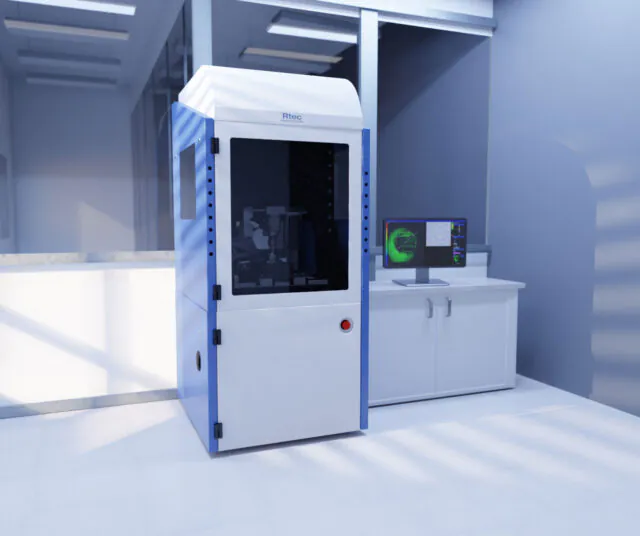
簡単なテストと自動レポート作成
直感的でレシピベースのソフトウェアが試験シーケンス全体を自動化し、オペレーターの関与を最小限に抑え、一貫性のある再現性の高い結果を保証します。試験完了時には、摩擦データ、摩耗痕の測定値、センサー信号、および動作条件が自動的に分析され、標準化されたレポートにまとめられるため、日常的な試験、品質管理、および研究のワークフローが効率化されます。
詳細はこちら
リアルタイム・フォース・コントロール – 最高のパフォーマンス、比類なき精度
リアルタイム・フォース・コントロール – デッドウェイトなしの精度
煩わしいデッドウェイトを排除し、全荷重範囲にわたって高精度な閉ループ力制御を実現します。 FBT-1000は、直線または漸増の荷重プロファイルを卓越した精度と再現性で自動的に適用し、オペレーターの影響を最小限に抑え、実験室の生産性を最大化します。 継続的なリアルタイムの荷重制御により、すべての試験がプログラム通りに正確に実行され、ASTM摩耗試験、極圧(EP)評価、潤滑剤開発、および先端トライボロジー研究において信頼性の高い結果をもたらします。現在の規格および将来の要件に対応するように設計された本システムは、ハードウェアの改造を必要とせずに新しい試験方法に適応できる柔軟性を備えています。
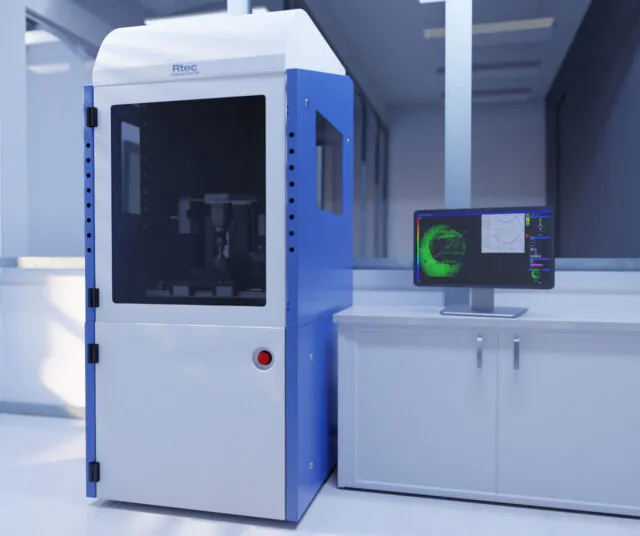
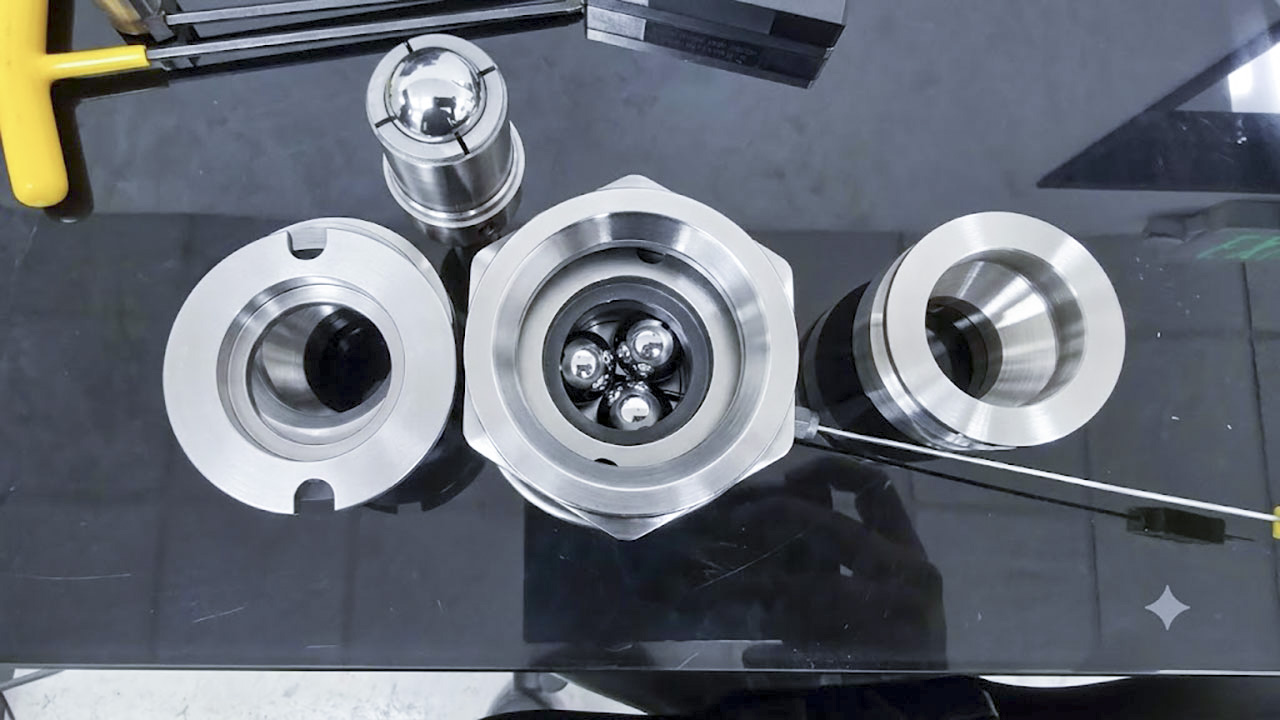
交換可能なモジュール:クライオ、ヒート、1/2インチ、KRL
最大限の柔軟性と実環境での潤滑剤試験を実現するために設計された、さまざまな交換用モジュールで、4ボール試験機の機能を拡張しましょう。 モジュールを素早く切り替えることで、さまざまな動作条件下でグリース、潤滑油、特殊流体を評価できます。極低温および加熱カップモジュールは、−35°Cから200°Cまでの精密な温度制御を実現し、過酷な用途向けに400°C対応のオプション構成も用意されています。1/2インチボールアダプターにより、さまざまなサイズの試験片に対応可能で、KRLモジュールを使用すればグリースのせん断安定性試験も実施できます。このモジュラー式プラットフォームは、設備コストを削減し、実験室のワークフローを簡素化するとともに、複数の業界規格に準拠した高度なトライボロジー、摩耗、および摩擦試験のための将来性のあるソリューションを提供します。
電化されたフォーボール試験
電動化が自動車、航空宇宙、再生可能エネルギー、および産業システムに変革をもたらす中、電流が摩擦、摩耗、潤滑に及ぼす影響を理解することが不可欠になりつつあります。電位は、腐食を加速させ、潤滑膜を破壊し、マイクロピッティング、電気侵食、および部品の早期故障を促進する可能性があります。
「Electrified FBT-1000」は、4ボール接触部に制御された交流または直流の電気負荷を印加しながら、実用的な動作条件下での電気的接触挙動を測定します。完全絶縁設計により、電気モーター、ベアリング、ギア、および電動ドライブトレイン向けの潤滑剤や材料の開発において、正確で再現性の高い結果を提供します。 高度な機能を備えながらも、本システムは標準のFBT-1000と同様の直感的なワンクリック操作を維持しており、電動化トライボロジー試験を迅速、簡単、かつ極めて信頼性の高いものにします。
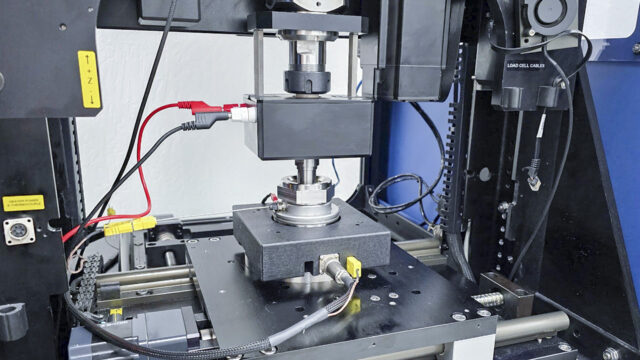
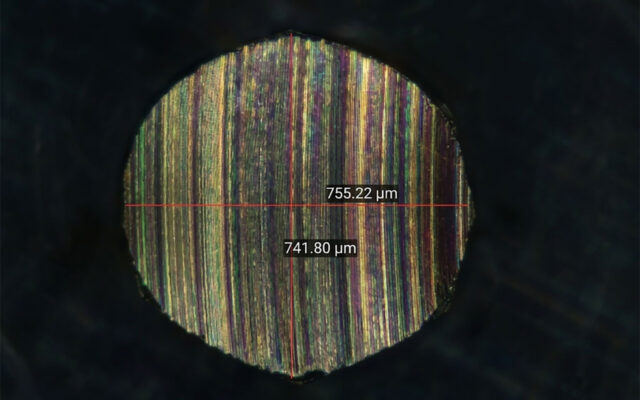
3Dプロファイル測定機能を統合した摩耗痕解析
統合型3D光学プロファイル計を活用し、単なる摩耗痕の直径測定にとどまらない分析を実現します。FBT-1000は、摩耗痕の直径、深さ、体積、および表面形態を自動的に測定し、潤滑剤の性能や摩耗メカニズムを包括的に把握することを可能にします。 高解像度の3Dトポグラフィーにより、従来の顕微鏡画像では定量化できなかった材料の変形、摩耗、および表面損傷を明らかにします。標準化されたASTM 4ボール試験と高度な表面計測技術を組み合わせることで、研究者や品質管理研究所は、単一の自動化プラットフォーム上で、耐摩耗性能、添加剤の有効性、および故障メカニズムについてより深い知見を得ることができます。
| 負荷範囲 | 最大 8,000 N / 10,000 N(ご注文時に選択可能) |
|---|---|
| 温度範囲 | −35°C ~ 200°C(400°Cへのアップグレード) |
| 湿度コントローラー | 5~95% RH |
| スピード | 最大2500 rpm |