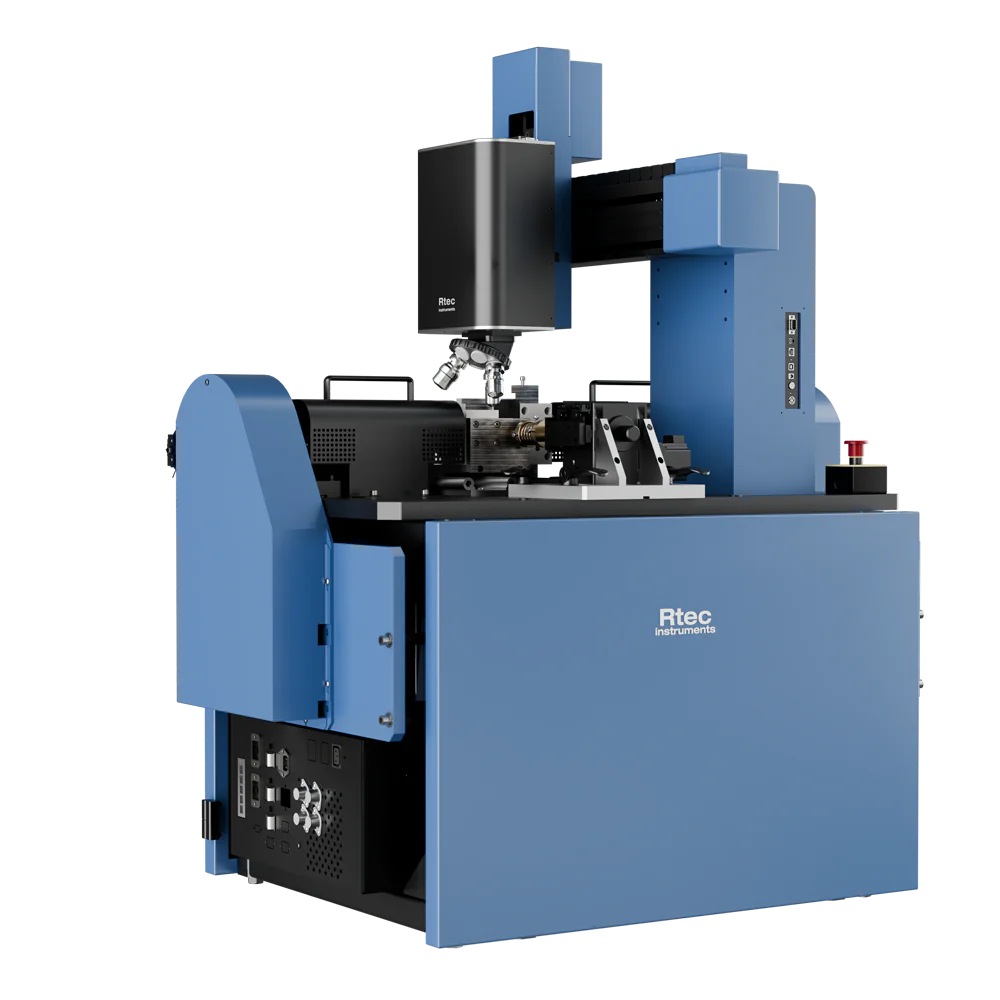
Multi-Function Tribometers
TWR-3000 Tribology Insight at the Rolling Interface
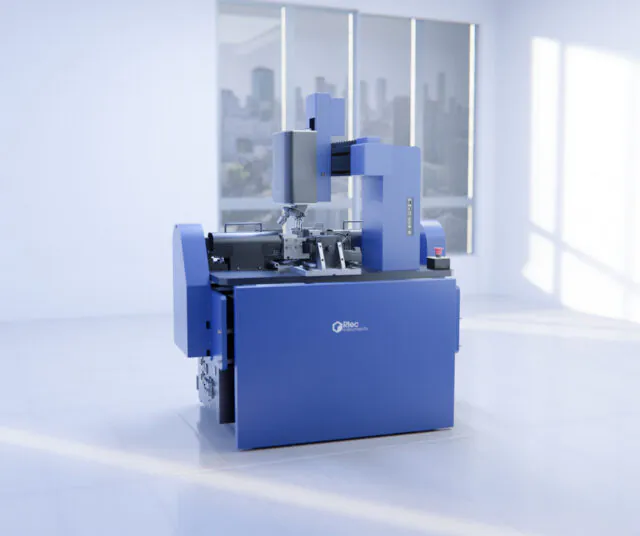
TwinRoller-3000 is an advanced twin roller tribometer designed for the study of traction, wear, and rolling contact fatigue (RCF) under a wide range of rolling–sliding conditions. Its open platform architecture provides easy access and flexibility for different experimental setups. The system features two high-torque, independently controlled servo motors that allow precise control of rolling speed and slip ratio. Contact force is applied through electro-servo drives, ensuring stable and accurate load control. Combined with fully automated test programs and advanced controllers, the TwinRoller-3000 delivers highly repeatable, precise, and reliable tribological measurements for both research and industrial applications.
KEY FEATURES

Rolling and Sliding Simulation
The TwinRoller-3000 accurately reproduces pure rolling, pure sliding, and rolling-sliding conditions, allowing researchers to replicate real mechanical contacts found in gears, bearings, and traction systems. Independent motor control enables precise slip ratio adjustments, delivering realistic tribological testing conditions that outperform simplified or single-mode test systems.
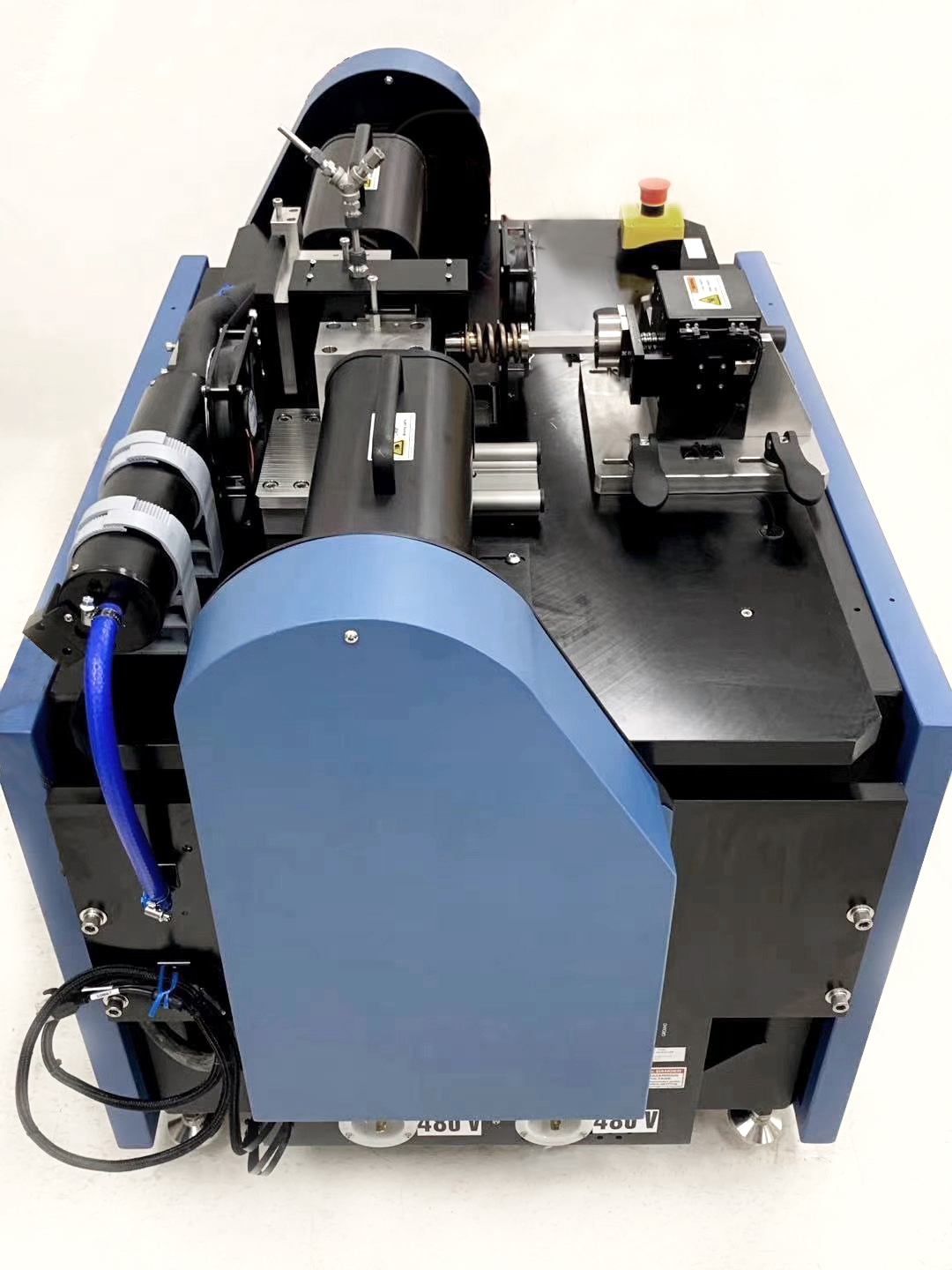
High Torque Motors allows for High Load, Torque and Speed Test
The TwinRoller-3000 comes with 220 and 308/480V (3 to 10KW motors) motor configurations that allows to test at very high torques, high load and high speed. This allows to do test close to real life scenarios.
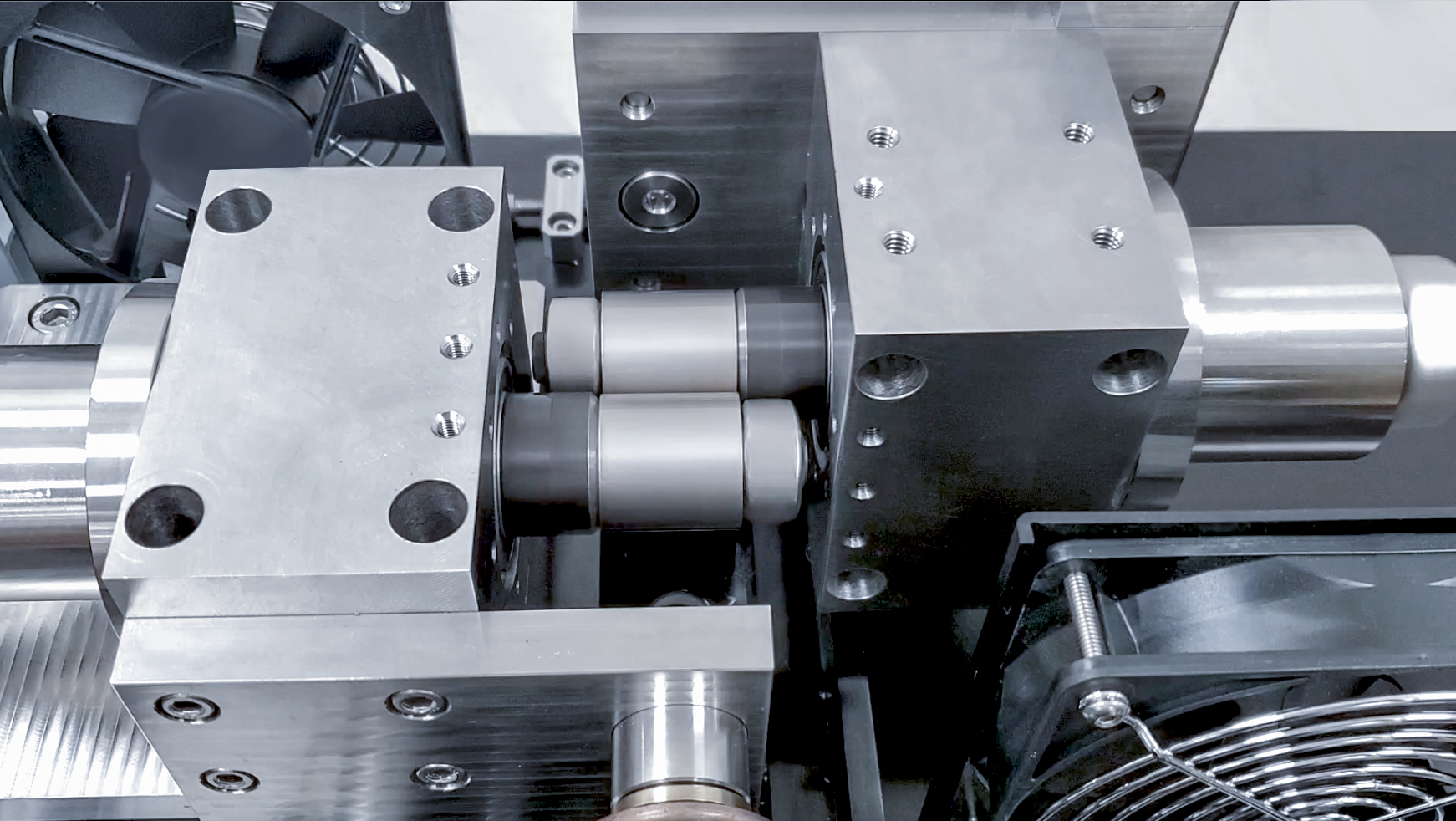
Flexible and Open Sample Architecture for wide sample size
The TwinRoller-3000 allows easy mounting of different roller diameters (up to 100mm diameter) and various geometries. This flexibility supports a wide range of research applications and rapid test setup. Researchers can quickly adapt experiments without complex modifications, making the system ideal for both industrial development and academic research.
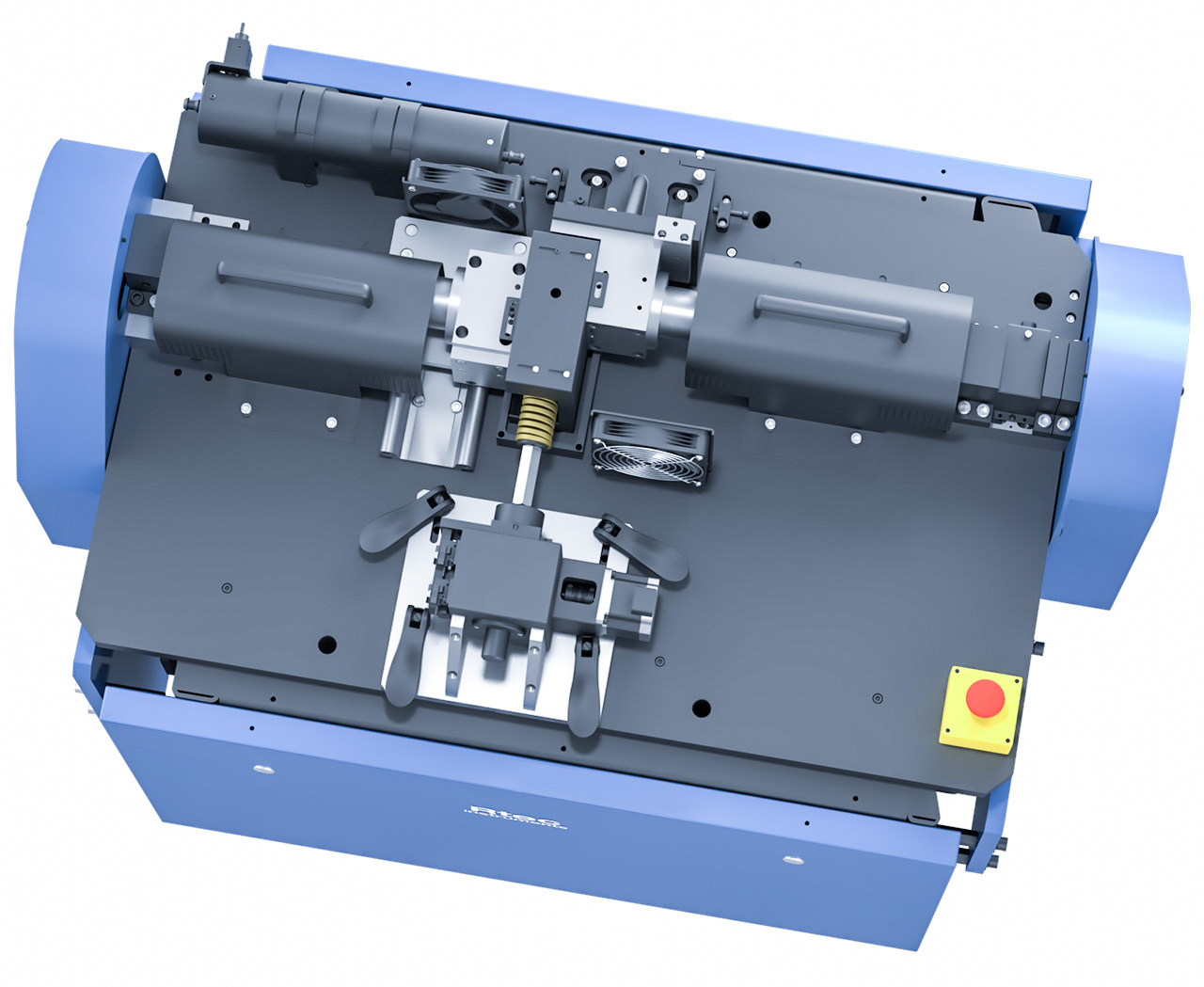
In-Line Measurement and Surface Analysis
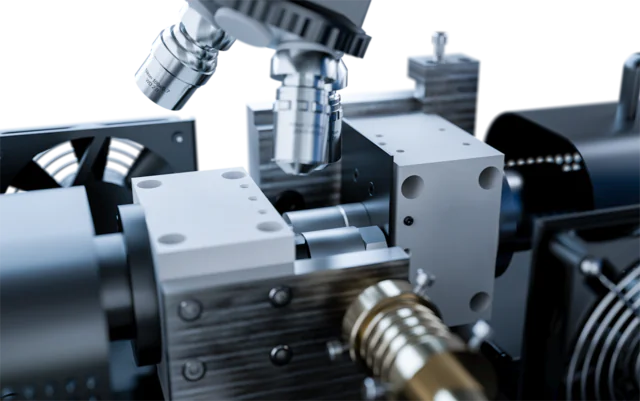
The TwinRoller-3000 integrates in-line torque measurement, friction monitoring, acoustic detection, and 3D optical inspection to track surface changes and wear during testing. This unique capability provides real-time insight into rolling contact fatigue, enabling earlier detection of surface damage and deeper understanding of tribological mechanisms.
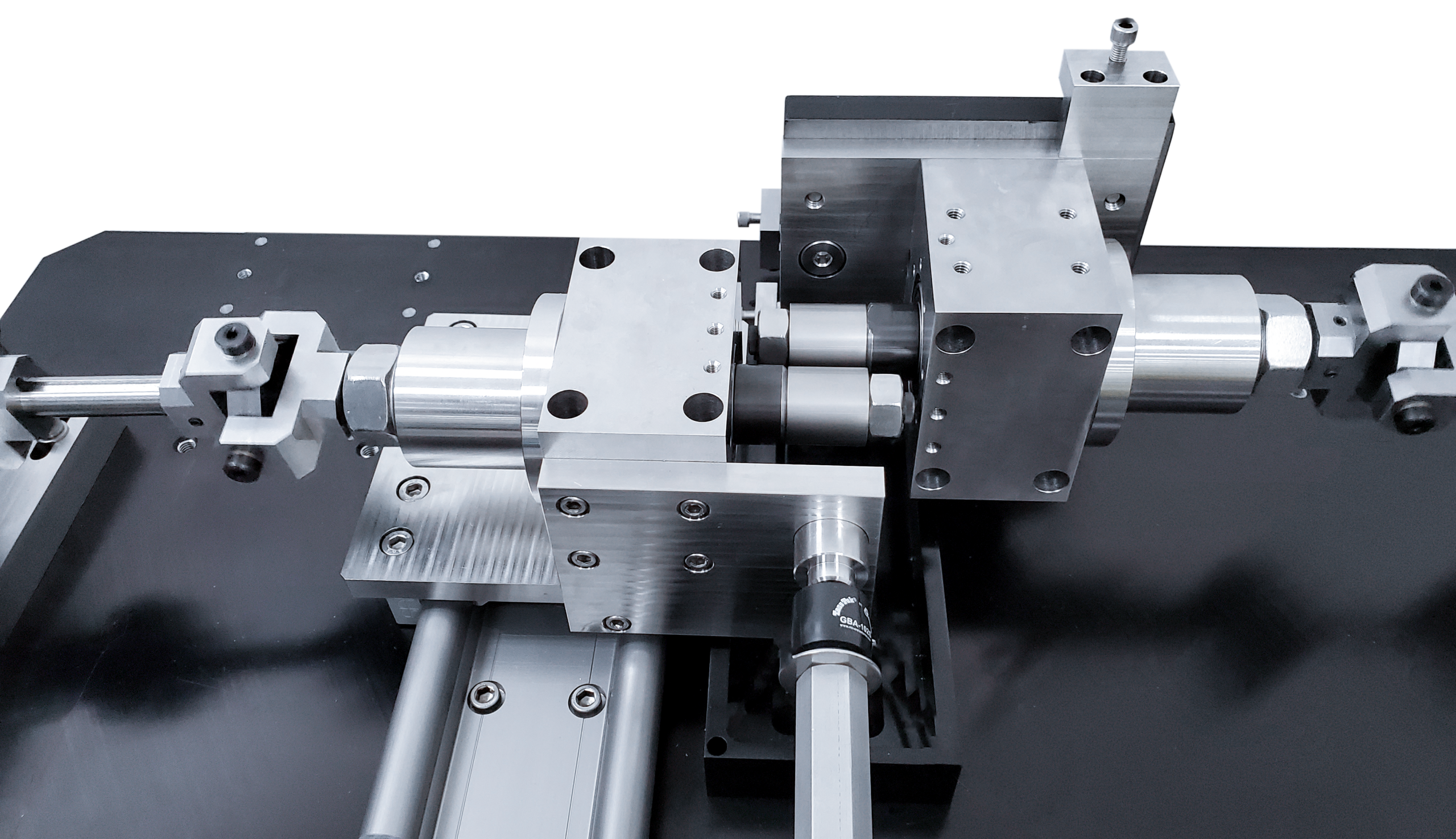
Precision Servo-Controlled Load Application
The TwinRoller-3000 features precision servo-controlled load application with a wide load range from nano and micro forces up to 8'000 N. Interchangeable load cells from 1 N to 8'000 N enable accurate testing across delicate lubrication studies and high-load rolling contact fatigue experiments, ensuring exceptional measurement sensitivity, stability, and repeatability.
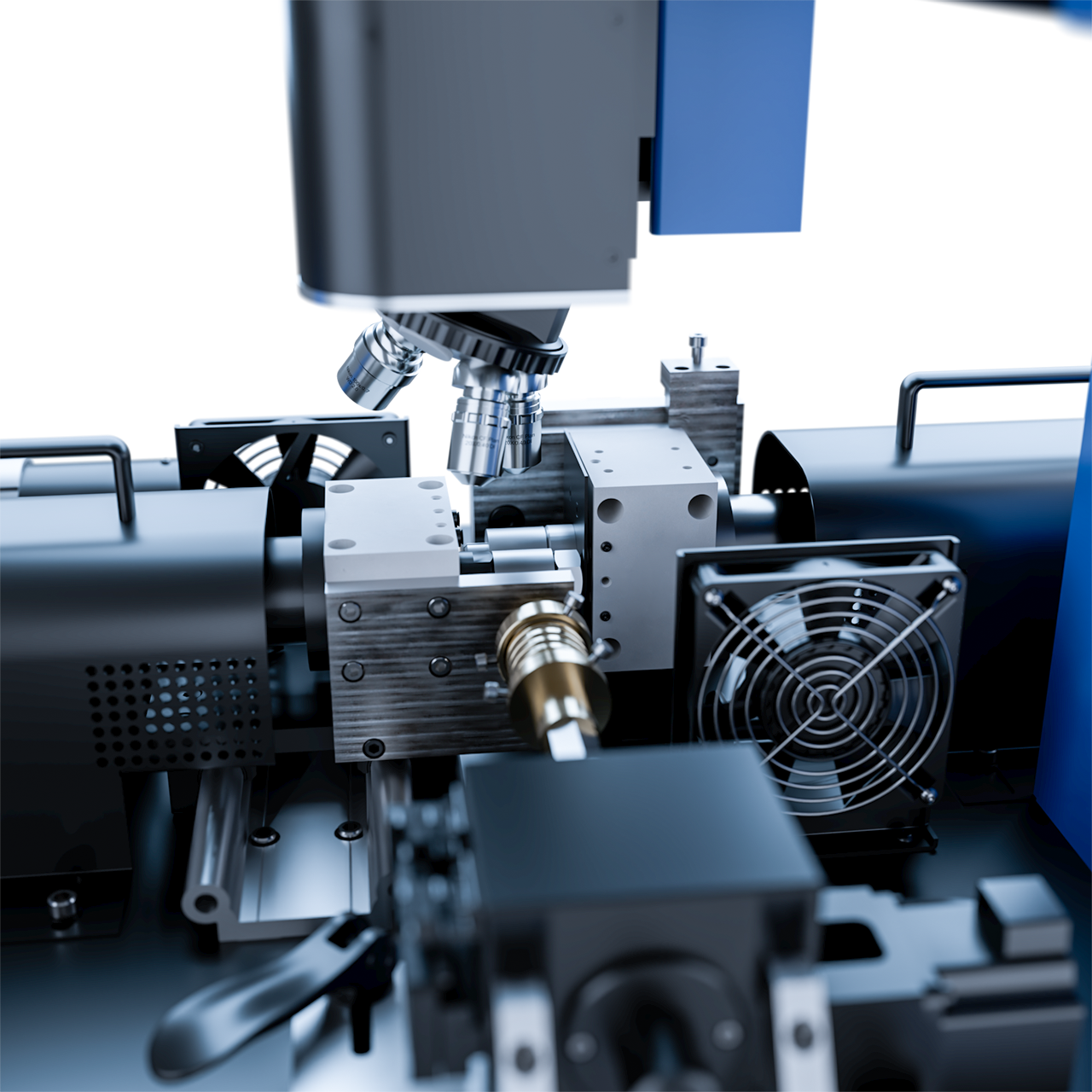
Environmental Control
TwinRoller-3000 allows to heat and cool the liquids during the test. Temperature range from -35 to 150C are available on the tool.
More about
Why Use a Twin Roller Tribometer?
Rolling Contact Fatigue (RCF) is a common failure mechanism in rolling mechanical components. It occurs when surfaces are subjected to repeated alternating stress fields, leading to crack initiation and propagation that eventually cause pitting, spalling, or material removal.
The severity and mechanism of RCF depend on several factors, including lubricant cleanliness, material quality, surface roughness, and operating conditions.
With the rapid development of high-speed trains, electric vehicles, wind turbines, and advanced gear systems, understanding rolling contact fatigue has become critical. Twin roller tribometers allow engineers and researchers to simulate real rolling contact conditions, helping prevent premature component failure and improve the reliability, efficiency, and lifetime of mechanical systems.
EV Tribology and Electrochemical Impedance
Integrated potentiostat and AC/DC power sources capable of delivering currents from microamperes to several amperes during various sliding/rolling testing. These capabilities enable the creation of custom electrical waveforms and the measurement of electrochemical properties as a function of sliding speed, load, temperature, and lubrication regime. As contact conditions change from ohmic to capacitive behavior, electrochemical impedance provides direct insight into lubricant film formation and thickness. The resulting impedance maps allow precise identification of lubrication regime boundaries and electrical contact behavior in EV lubricants, bearings, and drivetrain components.
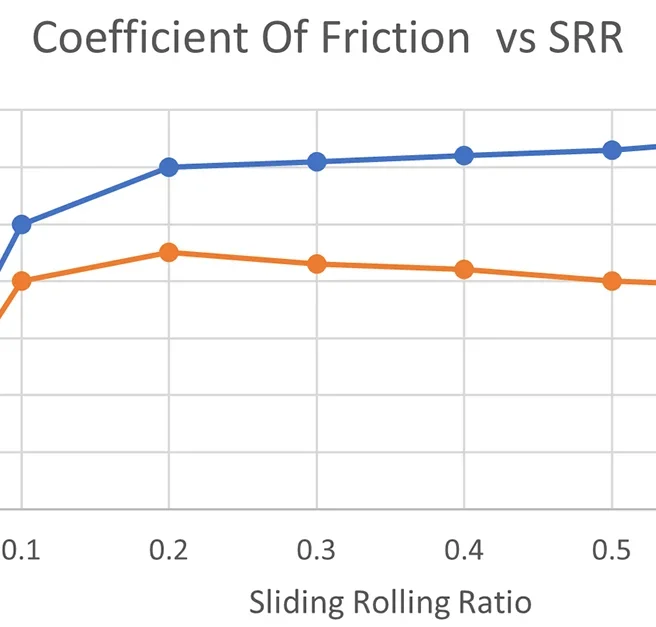
Twin Roller Tribometer Test Data
Data shows coefficient of friction results during rolling contact fatigue of a coated and uncoated rolling specimen. The surface treatments were done on one sample. Data shows which improvement in RCF life after the thermal spray coating application.
Sample 1 – uncoated
Sample 2 – thermal spray coating
- 500 N force
- SRR from 0 to 0.6
- Temperature 70°C
| Load Range | 5'000 N / 8'000 N (high load model) |
|---|---|
| Torque | Up to 60 Nm (with 480 V) |
| Slide-Roll Ratio (SRR) | Independently driven discs to achieve slide roll ratios (SRR's) between -10000 and +10000 %. |
| Entrainment speed | up to 18 m/s (depends on the rollers size) |
| Temperature range | -35 °C to 160 °C |