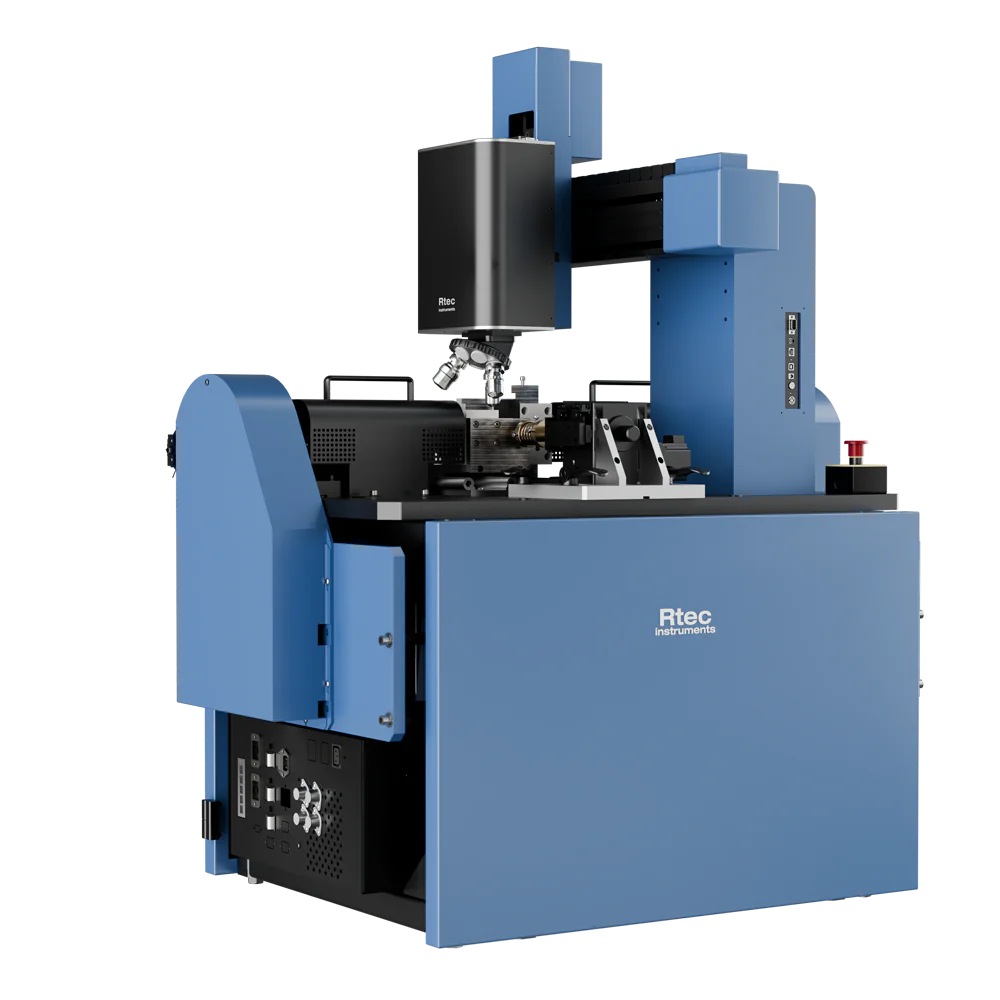
Tribómetro de rodadura y deslizamiento
TWR-3000 Tribology Insight at the Rolling Interface
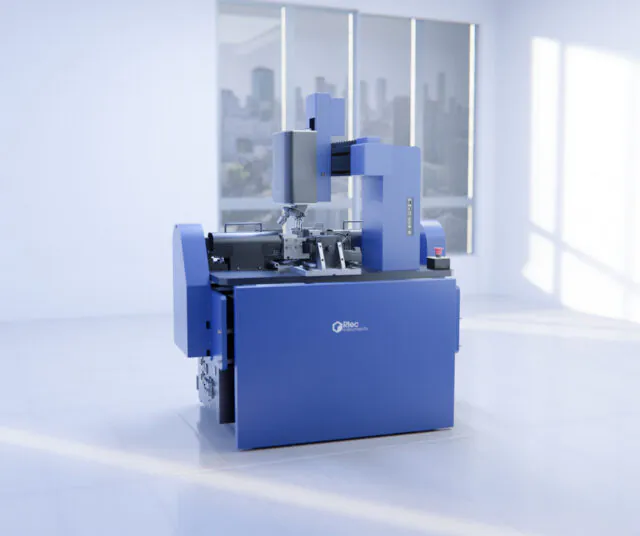
El TwinRoller-3000 es un tribómetro avanzado de doble rodillo diseñado para estudiar la tracción, el desgaste y la fatiga por contacto rodante (RCF) en una amplia gama de condiciones de rodadura y deslizamiento. Su arquitectura de plataforma abierta ofrece un fácil acceso y flexibilidad para diferentes configuraciones experimentales. El sistema cuenta con dos servomotores de alto par, controlados de forma independiente, que permiten controlar con precisión la velocidad de rodadura y la relación de deslizamiento. La fuerza de contacto se aplica mediante accionamientos electroservo, lo que garantiza un control de la carga estable y preciso. En combinación con programas de ensayo totalmente automatizados y controladores avanzados, el TwinRoller-3000 ofrece mediciones tribológicas altamente repetibles, precisas y fiables tanto para la investigación como para aplicaciones industriales.
CARACTERÍSTICAS PRINCIPALES

Rolling and Sliding Simulation
The TwinRoller-3000 accurately reproduces pure rolling, pure sliding, and rolling-sliding conditions, allowing researchers to replicate real mechanical contacts found in gears, bearings, and traction systems. Independent motor control enables precise slip ratio adjustments, delivering realistic tribological testing conditions that outperform simplified or single-mode test systems.
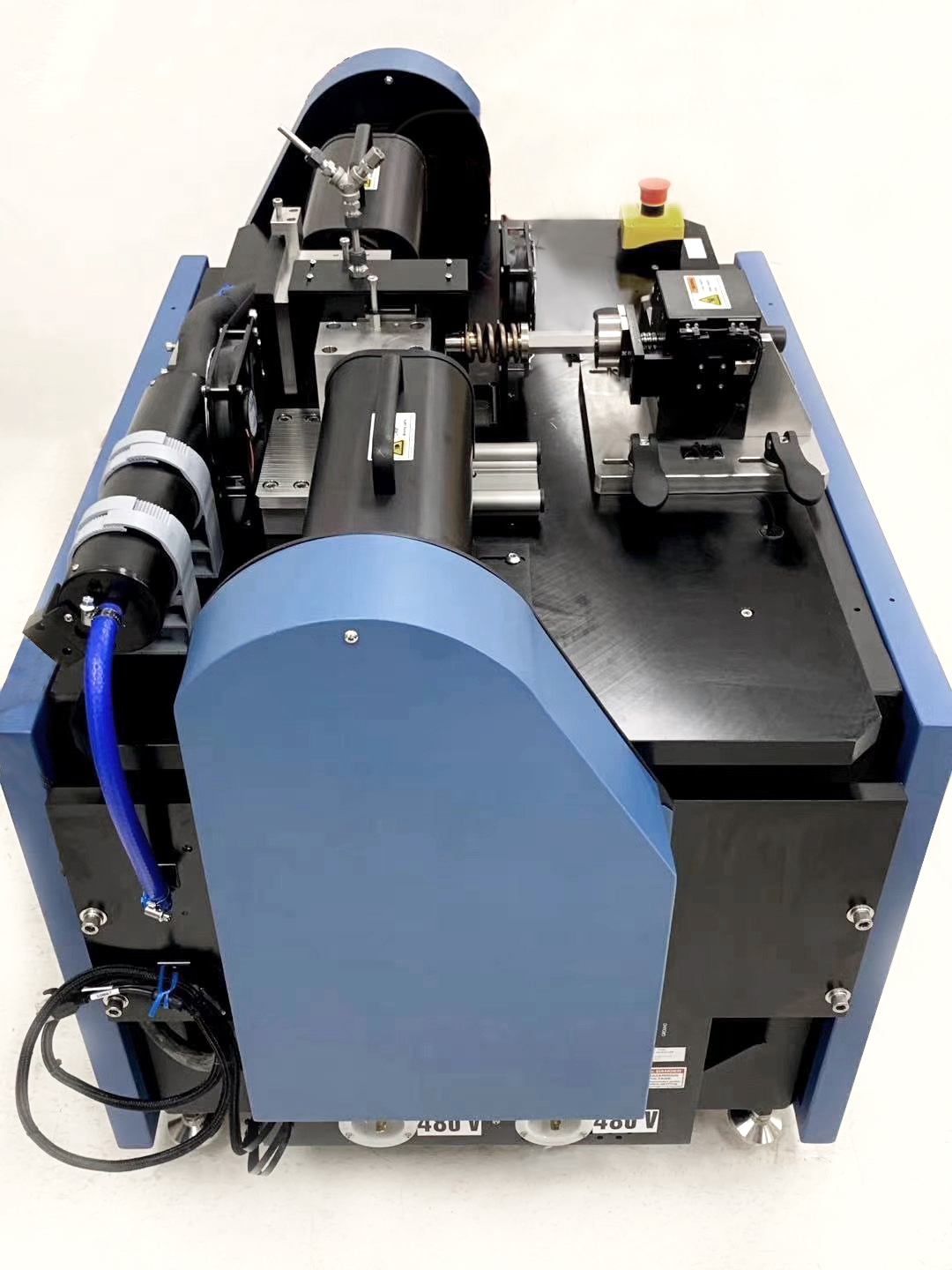
High Torque Motors allows for High Load, Torque and Speed Test
The TwinRoller-3000 comes with 220 and 308/480V (3 to 10KW motors) motor configurations that allows to test at very high torques, high load and high speed. This allows to do test close to real life scenarios.
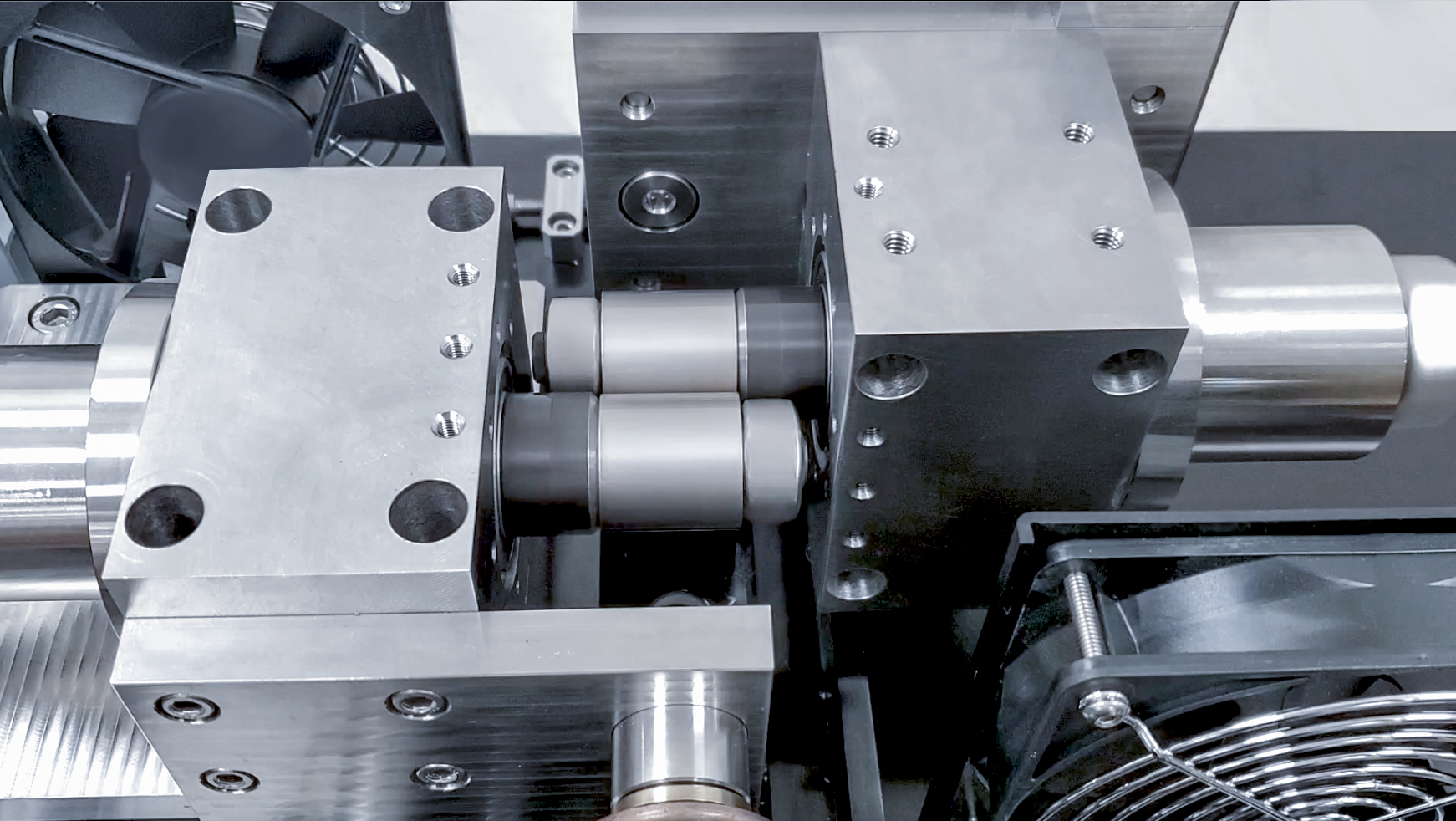
Flexible and Open Sample Architecture for wide sample size
The TwinRoller-3000 allows easy mounting of different roller diameters (up to 100mm diameter) and various geometries. This flexibility supports a wide range of research applications and rapid test setup. Researchers can quickly adapt experiments without complex modifications, making the system ideal for both industrial development and academic research.
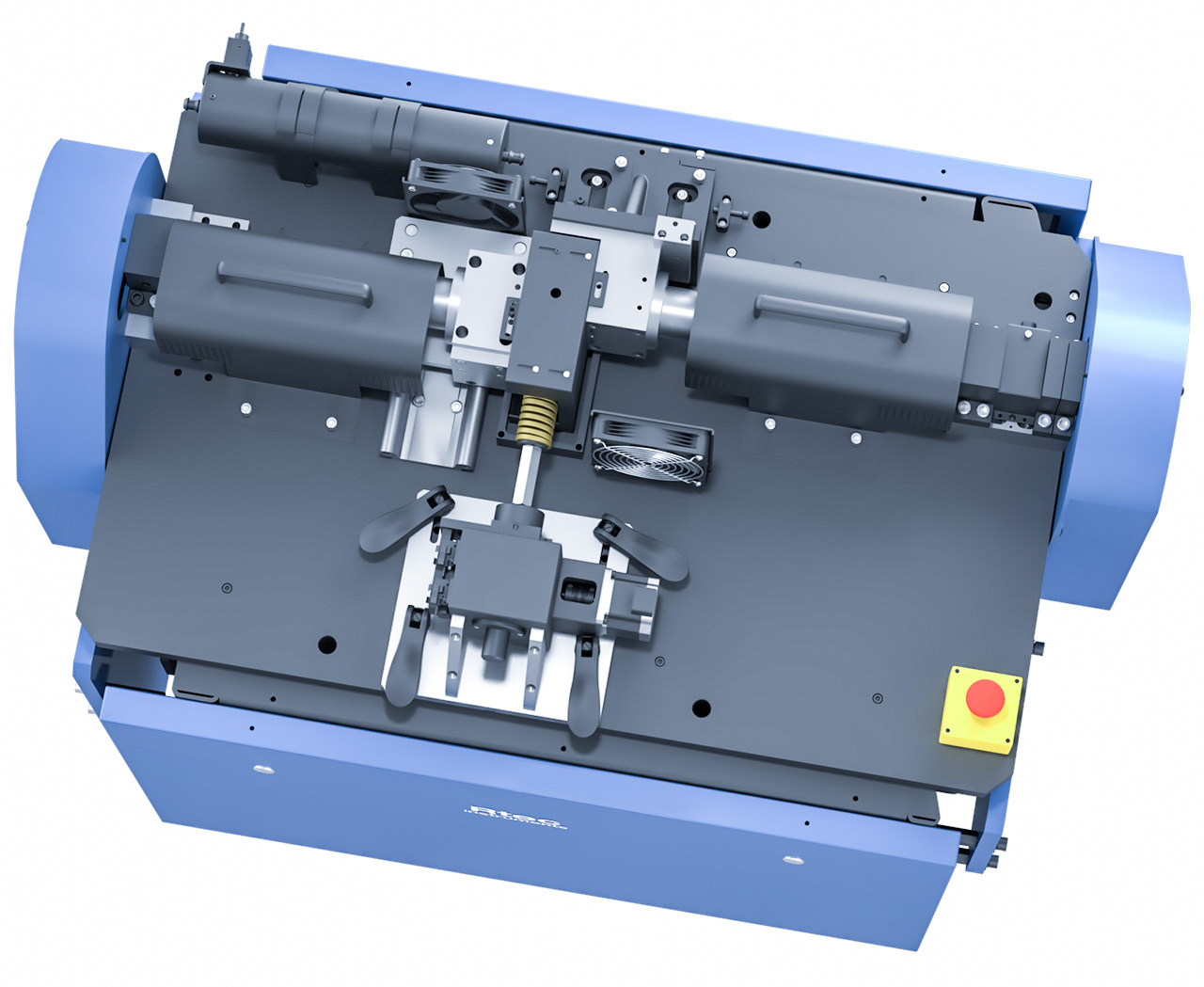
In-Line Measurement and Surface Analysis
The TwinRoller-3000 integrates in-line torque measurement, friction monitoring, acoustic detection, and 3D optical inspection to track surface changes and wear during testing. This unique capability provides real-time insight into rolling contact fatigue, enabling earlier detection of surface damage and deeper understanding of tribological mechanisms.
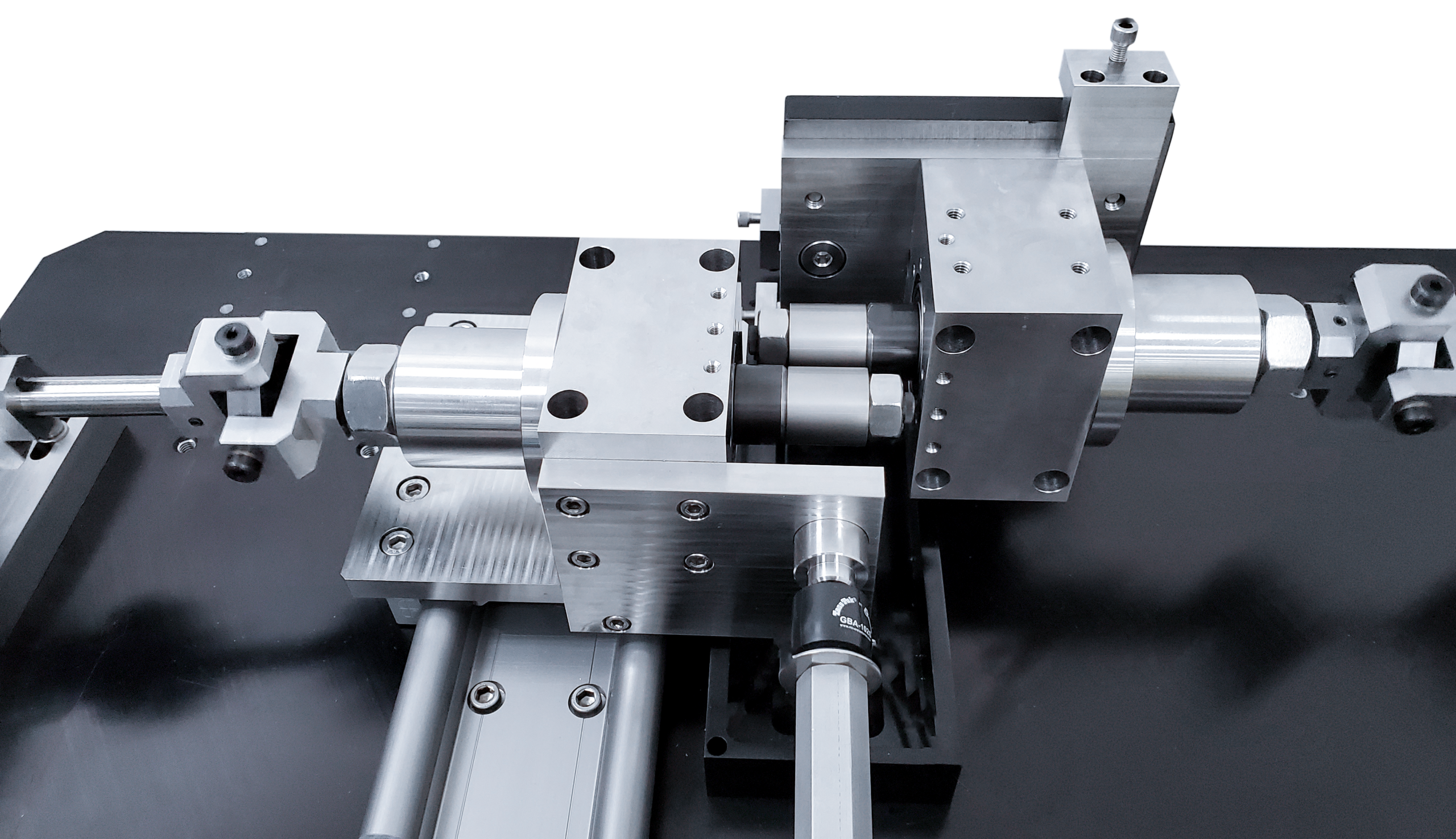
Precision Servo-Controlled Load Application
The TwinRoller-3000 features precision servo-controlled load application with a wide load range from nano and micro forces up to 8'000 N. Interchangeable load cells from 1 N to 8'000 N enable accurate testing across delicate lubrication studies and high-load rolling contact fatigue experiments, ensuring exceptional measurement sensitivity, stability, and repeatability.
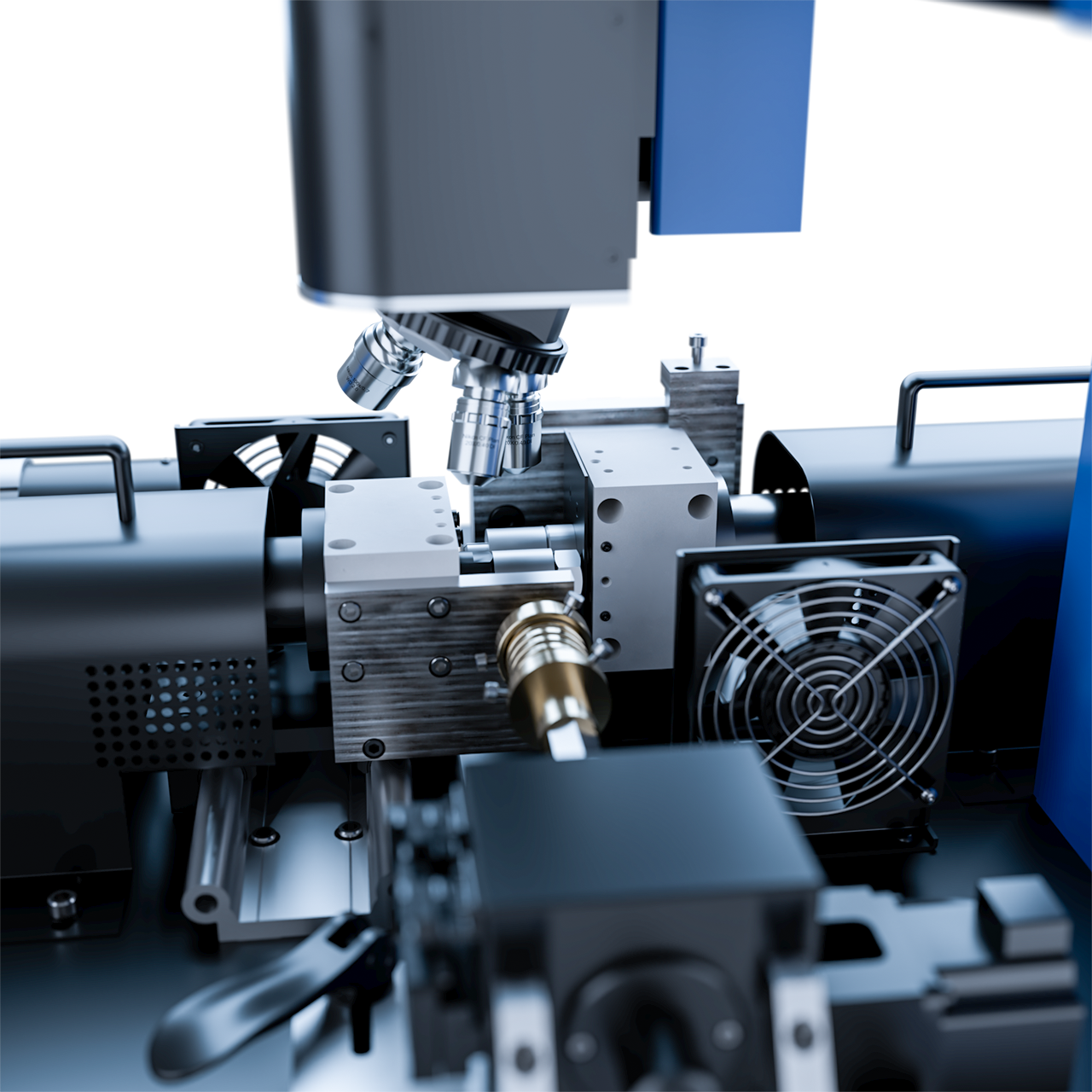
Environmental Control
TwinRoller-3000 allows to heat and cool the liquids during the test. Temperature range from -35 to 150C are available on the tool.
Más información sobre
¿Por qué usar un tribómetro de doble rodillo?
La fatiga por contacto rodante (RCF) es un mecanismo de fallo habitual en los componentes mecánicos de rodamiento. Se produce cuando las superficies se ven sometidas a campos de tensión alternos y repetidos, lo que provoca la aparición y propagación de grietas que, con el tiempo, dan lugar a picaduras, desprendimientos o pérdida de material.
La gravedad y el mecanismo del RCF dependen de varios factores, como la limpieza del lubricante, la calidad del material, la rugosidad de la superficie y las condiciones de funcionamiento.
Con el rápido desarrollo de los trenes de alta velocidad, los vehículos eléctricos, los aerogeneradores y los sistemas de engranajes avanzados, entender la fatiga por contacto rodante se ha vuelto fundamental. Los tribómetros de rodillos gemelos permiten a los ingenieros e investigadores simular condiciones reales de contacto rodante, lo que ayuda a evitar fallos prematuros de los componentes y a mejorar la fiabilidad, la eficiencia y la vida útil de los sistemas mecánicos.
Tribología EV e Impedancia Electroquímica
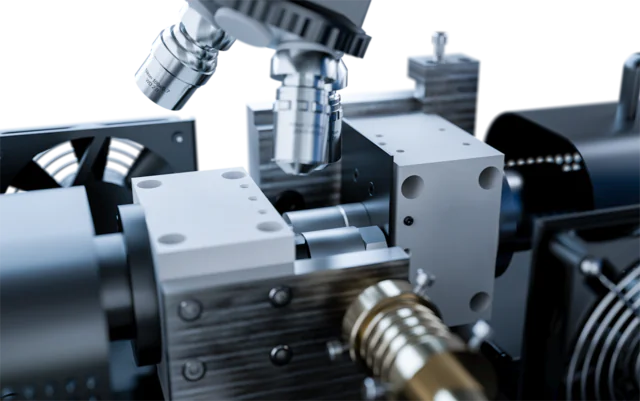
Potenciostato integrado y fuentes de alimentación de CA/CC capaces de suministrar corrientes que van desde microamperios hasta varios amperios durante diversos ensayos de deslizamiento y rodadura. Estas capacidades permiten crear formas de onda eléctricas personalizadas y medir propiedades electroquímicas en función de la velocidad de deslizamiento, la carga, la temperatura y el régimen de lubricación. A medida que las condiciones de contacto cambian de un comportamiento óhmico a uno capacitivo, la impedancia electroquímica ofrece información directa sobre la formación y el espesor de la película lubricante. Los mapas de impedancia resultantes permiten identificar con precisión los límites del régimen de lubricación y el comportamiento del contacto eléctrico en lubricantes para vehículos eléctricos, rodamientos y componentes del tren de transmisión.
Datos de la prueba con tribómetro de doble rodillo
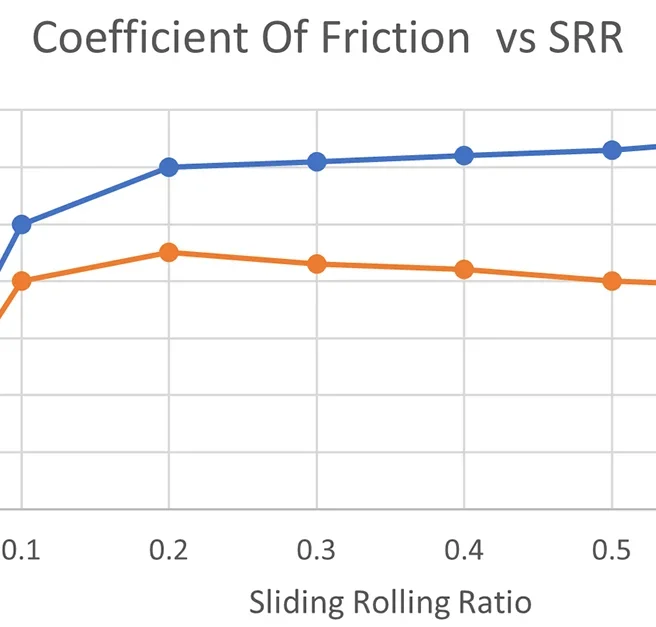
Los datos muestran los resultados del coeficiente de fricción durante la fatiga por contacto rodante de una probeta recubierta y otra sin recubrimiento. Los tratamientos superficiales se realizaron en una sola muestra. Los datos muestran la mejora en la vida útil del RCF tras la aplicación del recubrimiento por pulverización térmica.
Muestra 1 – sin recubrimiento
Ejemplo 2: recubrimiento por pulverización térmica
- 500 N de fuerza
- SRR de 0 a 0,6
- Temperatura: 70 °C
| Load Range | 5'000 N / 8'000 N (high load model) |
|---|---|
| Torque | Up to 60 Nm (with 480 V) |
| Slide-Roll Ratio (SRR) | Independently driven discs to achieve slide roll ratios (SRR's) between -10000 and +10000 %. |
| Entrainment speed | up to 18 m/s (depends on the rollers size) |
| Temperature range | -35 °C to 160 °C |