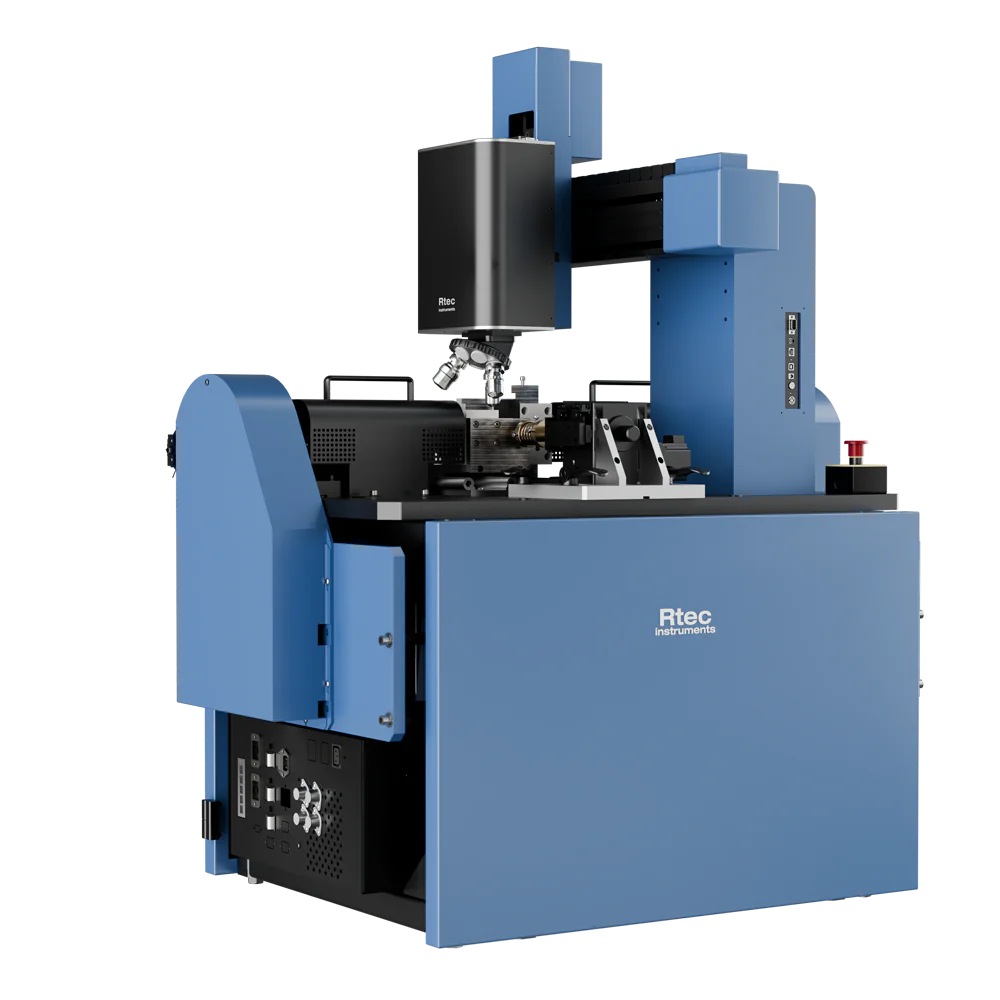
Roll- und Gleit-Tribometer
TWR-3000 Tribology Insight at the Rolling Interface
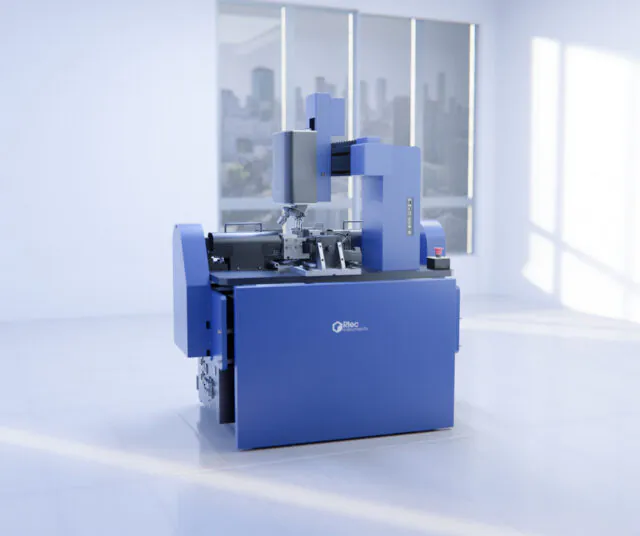
Der TwinRoller-3000 ist ein hochmodernes Doppelwalzen-Tribometer, das für die Untersuchung von Traktion, Verschleiß und Rollkontaktermüdung (RCF) unter einer Vielzahl von Roll-Gleit-Bedingungen entwickelt wurde. Seine offene Plattformarchitektur bietet einfachen Zugang und Flexibilität für unterschiedliche Versuchsaufbauten. Das System verfügt über zwei drehmomentstarke, unabhängig voneinander gesteuerte Servomotoren, die eine präzise Regelung der Rollgeschwindigkeit und des Schlupfverhältnisses ermöglichen. Die Kontaktkraft wird über Elektroservoantriebe aufgebracht, wodurch eine stabile und genaue Laststeuerung gewährleistet ist. In Kombination mit vollautomatischen Prüfprogrammen und fortschrittlichen Steuerungen liefert der TwinRoller-3000 hochgradig wiederholbare, präzise und zuverlässige tribologische Messungen sowohl für Forschungs- als auch für industrielle Anwendungen.
HAUPTMERKMALE

Rolling and Sliding Simulation
The TwinRoller-3000 accurately reproduces pure rolling, pure sliding, and rolling-sliding conditions, allowing researchers to replicate real mechanical contacts found in gears, bearings, and traction systems. Independent motor control enables precise slip ratio adjustments, delivering realistic tribological testing conditions that outperform simplified or single-mode test systems.
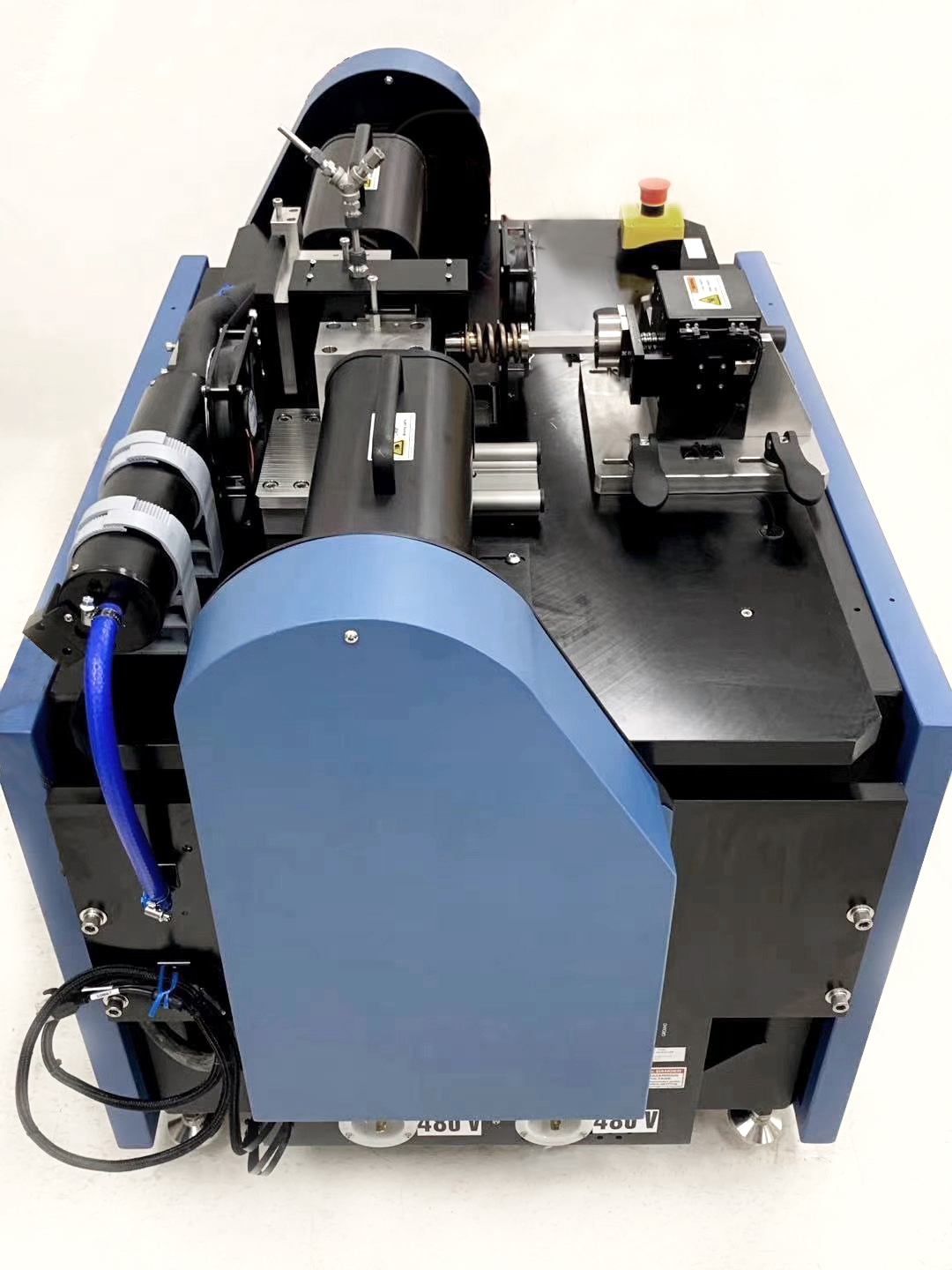
High Torque Motors allows for High Load, Torque and Speed Test
The TwinRoller-3000 comes with 220 and 308/480V (3 to 10KW motors) motor configurations that allows to test at very high torques, high load and high speed. This allows to do test close to real life scenarios.
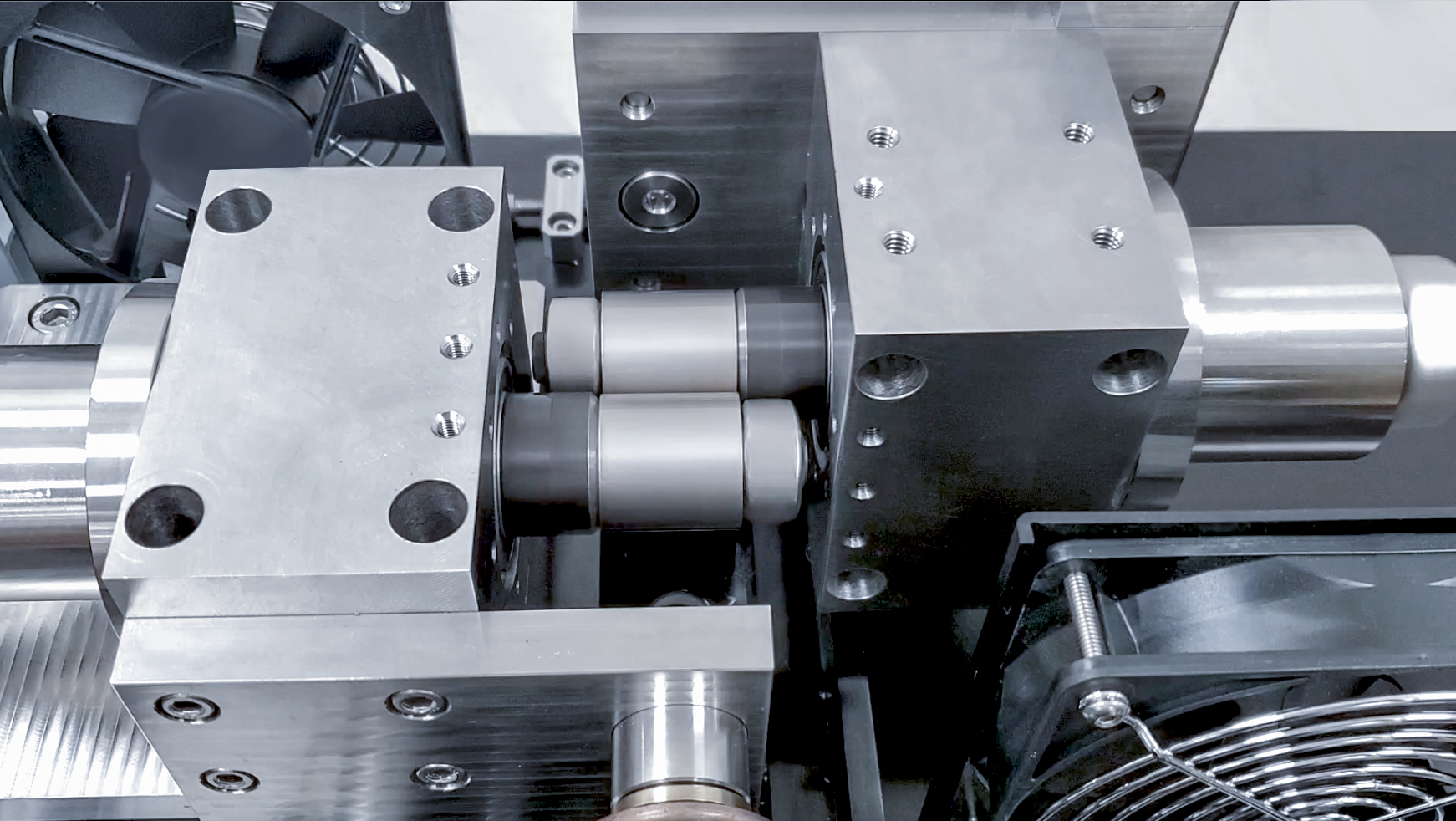
Flexible and Open Sample Architecture for wide sample size
The TwinRoller-3000 allows easy mounting of different roller diameters (up to 100mm diameter) and various geometries. This flexibility supports a wide range of research applications and rapid test setup. Researchers can quickly adapt experiments without complex modifications, making the system ideal for both industrial development and academic research.
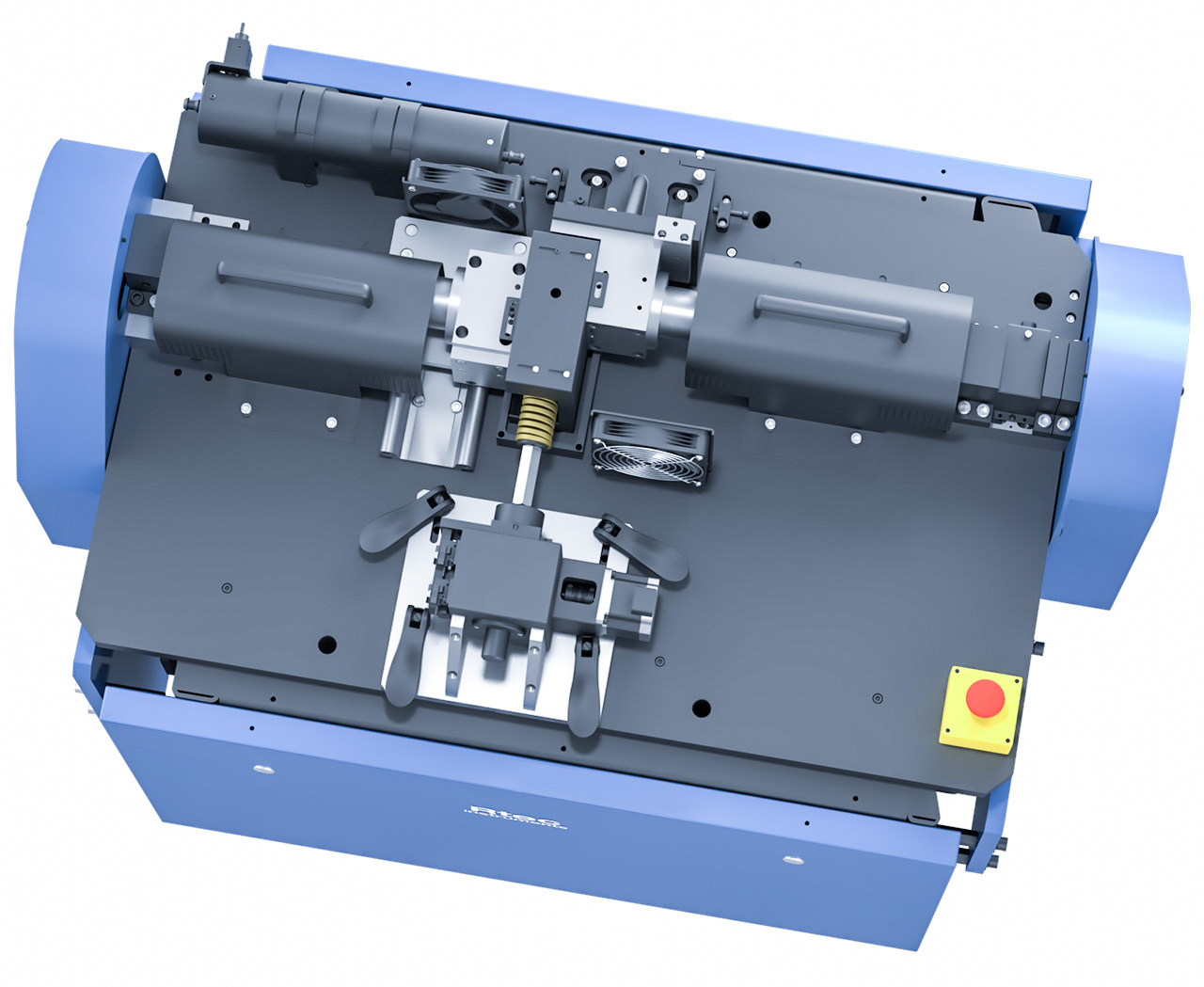
In-Line Measurement and Surface Analysis
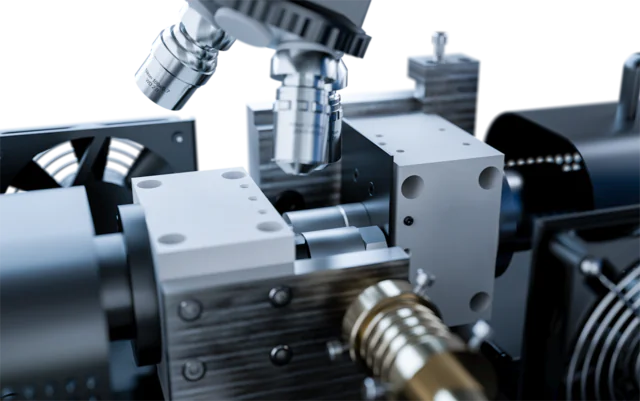
The TwinRoller-3000 integrates in-line torque measurement, friction monitoring, acoustic detection, and 3D optical inspection to track surface changes and wear during testing. This unique capability provides real-time insight into rolling contact fatigue, enabling earlier detection of surface damage and deeper understanding of tribological mechanisms.
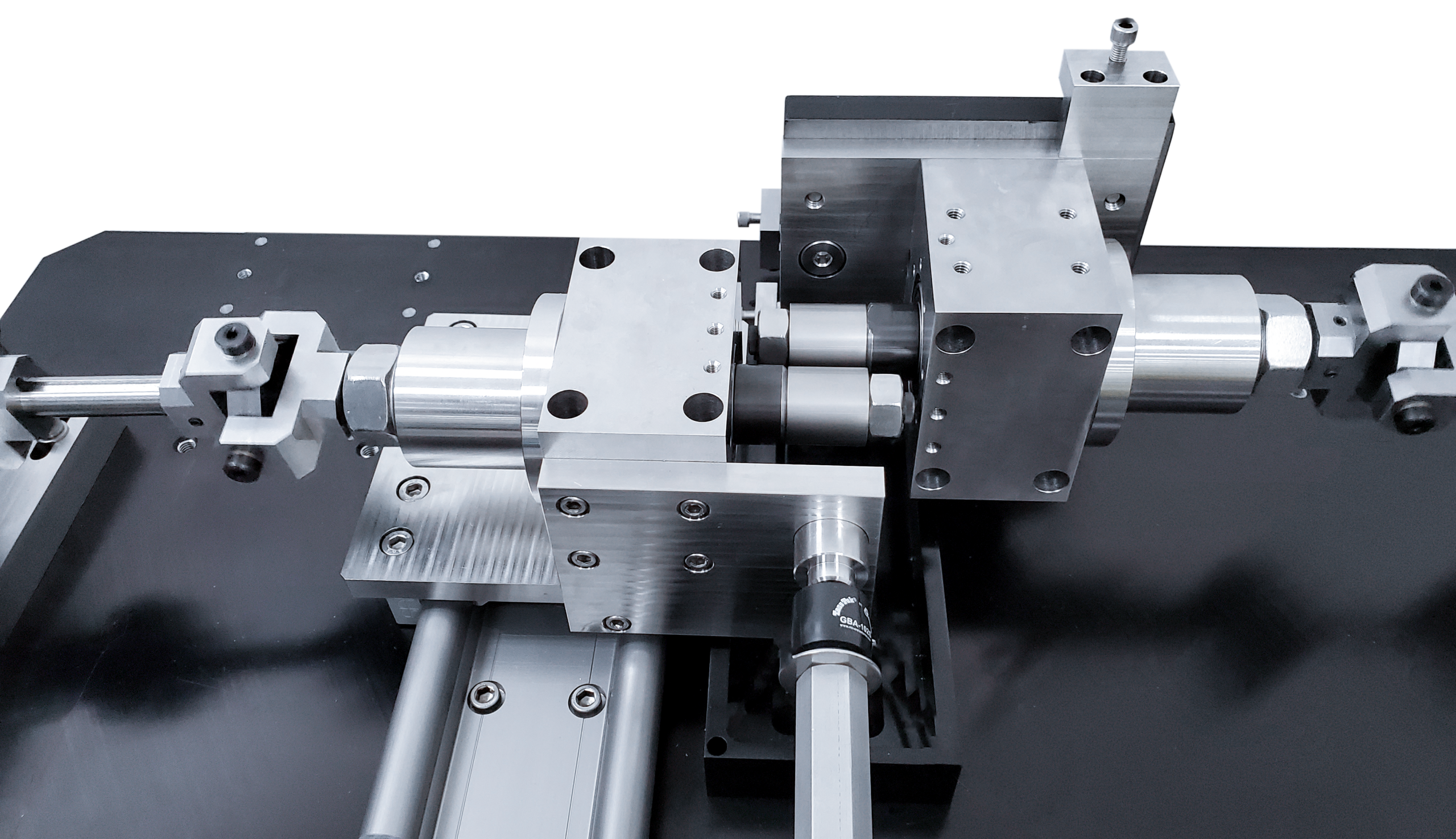
Precision Servo-Controlled Load Application
The TwinRoller-3000 features precision servo-controlled load application with a wide load range from nano and micro forces up to 8'000 N. Interchangeable load cells from 1 N to 8'000 N enable accurate testing across delicate lubrication studies and high-load rolling contact fatigue experiments, ensuring exceptional measurement sensitivity, stability, and repeatability.
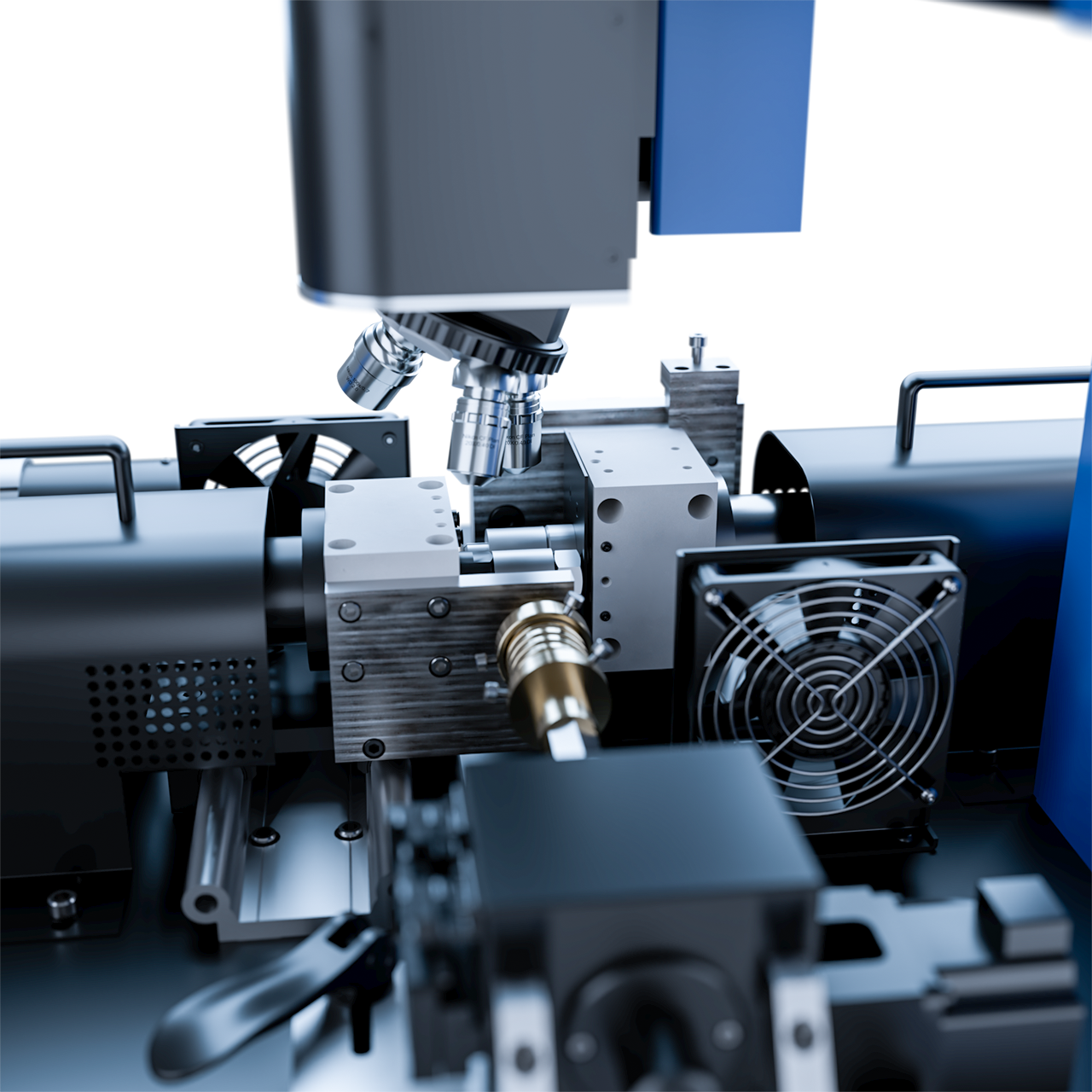
Environmental Control
TwinRoller-3000 allows to heat and cool the liquids during the test. Temperature range from -35 to 150C are available on the tool.
Mehr dazu
Warum sollte man ein Doppelwalzen-Tribometer verwenden?
Die Rollkontaktermüdung (RCF) ist ein häufiger Ausfallmechanismus bei rollenden mechanischen Bauteilen. Sie tritt auf, wenn Oberflächen wiederholten wechselnden Spannungsfeldern ausgesetzt sind, was zur Rissbildung und -ausbreitung führt, die schließlich zu Lochfraß, Abplatzungen oder Materialabtrag führen.
Das Ausmaß und der Mechanismus von RCF hängen von mehreren Faktoren ab, darunter die Reinheit des Schmiermittels, die Materialqualität, die Oberflächenrauheit und die Betriebsbedingungen.
Angesichts der rasanten Entwicklung von Hochgeschwindigkeitszügen, Elektrofahrzeugen, Windkraftanlagen und modernen Getriebesystemen ist das Verständnis der Ermüdung bei Rollkontakt mittlerweile von entscheidender Bedeutung. Mit Hilfe von Doppelrollen-Tribometern können Ingenieure und Forscher reale Rollkontaktbedingungen simulieren und so dazu beitragen, vorzeitige Bauteilausfälle zu verhindern sowie die Zuverlässigkeit, Effizienz und Lebensdauer mechanischer Systeme zu verbessern.
EV Tribologie und elektrochemische Impedanz
Integrierter Potentiostat und AC/DC-Stromquellen, die bei verschiedenen Gleit- und Rollversuchen Ströme im Bereich von Mikroampere bis zu mehreren Ampere liefern können. Diese Funktionen ermöglichen die Erzeugung benutzerdefinierter elektrischer Wellenformen sowie die Messung elektrochemischer Eigenschaften in Abhängigkeit von Gleitgeschwindigkeit, Belastung, Temperatur und Schmierregime. Da sich die Kontaktbedingungen von ohmschem zu kapazitivem Verhalten ändern, liefert die elektrochemische Impedanz direkte Einblicke in die Bildung und Dicke des Schmierfilms. Die daraus resultierenden Impedanzkarten ermöglichen eine präzise Identifizierung der Grenzen des Schmierregimes sowie des elektrischen Kontaktverhaltens bei Schmierstoffen für Elektrofahrzeuge, Lagern und Antriebskomponenten.
Testergebnisse des Doppelwalzen-Tribometers
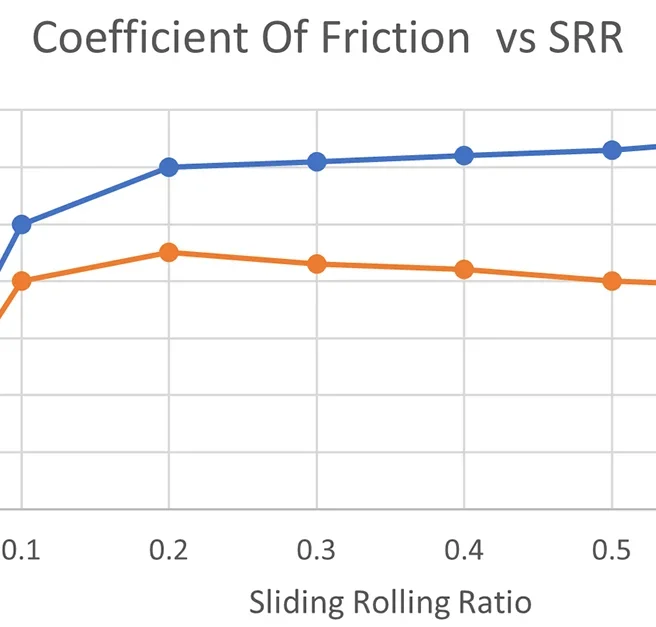
Die Daten zeigen die Reibungskoeffizienten bei der Rollkontakt-Ermüdung eines beschichteten und eines unbeschichteten Rollversuchskörpers. Die Oberflächenbehandlungen wurden an einem einzigen Probekörper durchgeführt. Die Daten verdeutlichen die Verlängerung der RCF-Lebensdauer nach dem Aufbringen der thermischen Spritzbeschichtung.
Probe 1 – unbeschichtet
Beispiel 2 – Thermisches Spritzverfahren
- 500 N Kraft
- SRR von 0 bis 0,6
- Temperatur 70 °C
| Load Range | 5'000 N / 8'000 N (high load model) |
|---|---|
| Torque | Up to 60 Nm (with 480 V) |
| Slide-Roll Ratio (SRR) | Independently driven discs to achieve slide roll ratios (SRR's) between -10000 and +10000 %. |
| Entrainment speed | up to 18 m/s (depends on the rollers size) |
| Temperature range | -35 °C to 160 °C |