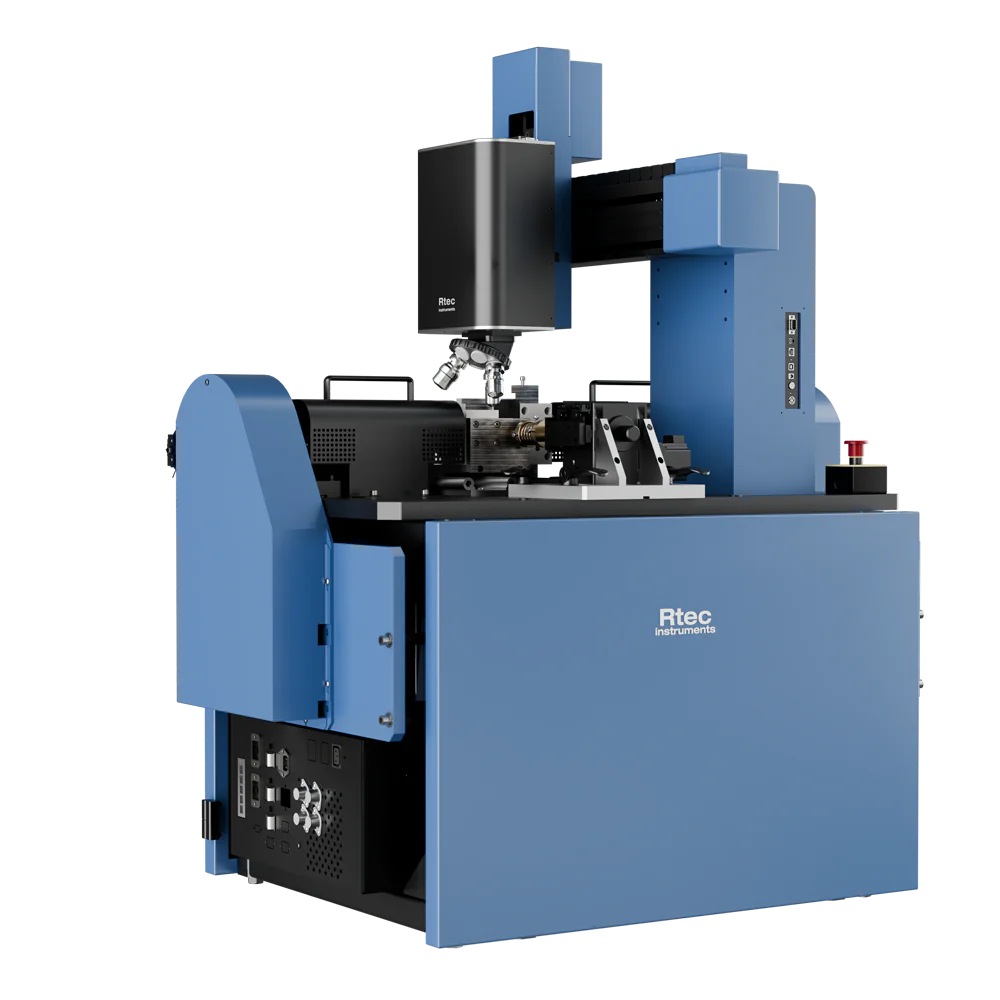
転がり・滑りトライボメーター

TWR-3000 Tribology Insight at the Rolling Interface

TwinRoller-3000は、幅広い転がり・滑り条件下における牽引、摩耗、および転がり接触疲労(RCF)の研究のために設計された、先進的なツインローラー式トライボメーターです。そのオープンプラットフォーム構造により、操作が容易で、さまざまな実験セットアップに対応する柔軟性を備えています。 本システムは、2つの高トルクで独立制御可能なサーボモーターを搭載しており、転がり速度とすべり比を精密に制御できます。 接触力はエレクトロサーボ駆動装置を介して加えられるため、安定かつ正確な荷重制御が保証されます。完全自動化された試験プログラムと高度な制御装置を組み合わせることで、TwinRoller-3000は、研究用途および産業用途の両方において、再現性が高く、正確かつ信頼性の高いトライボロジー測定を実現します。

主な特長

Rolling and Sliding Simulation

The TwinRoller-3000 accurately reproduces pure rolling, pure sliding, and rolling-sliding conditions, allowing researchers to replicate real mechanical contacts found in gears, bearings, and traction systems. Independent motor control enables precise slip ratio adjustments, delivering realistic tribological testing conditions that outperform simplified or single-mode test systems.
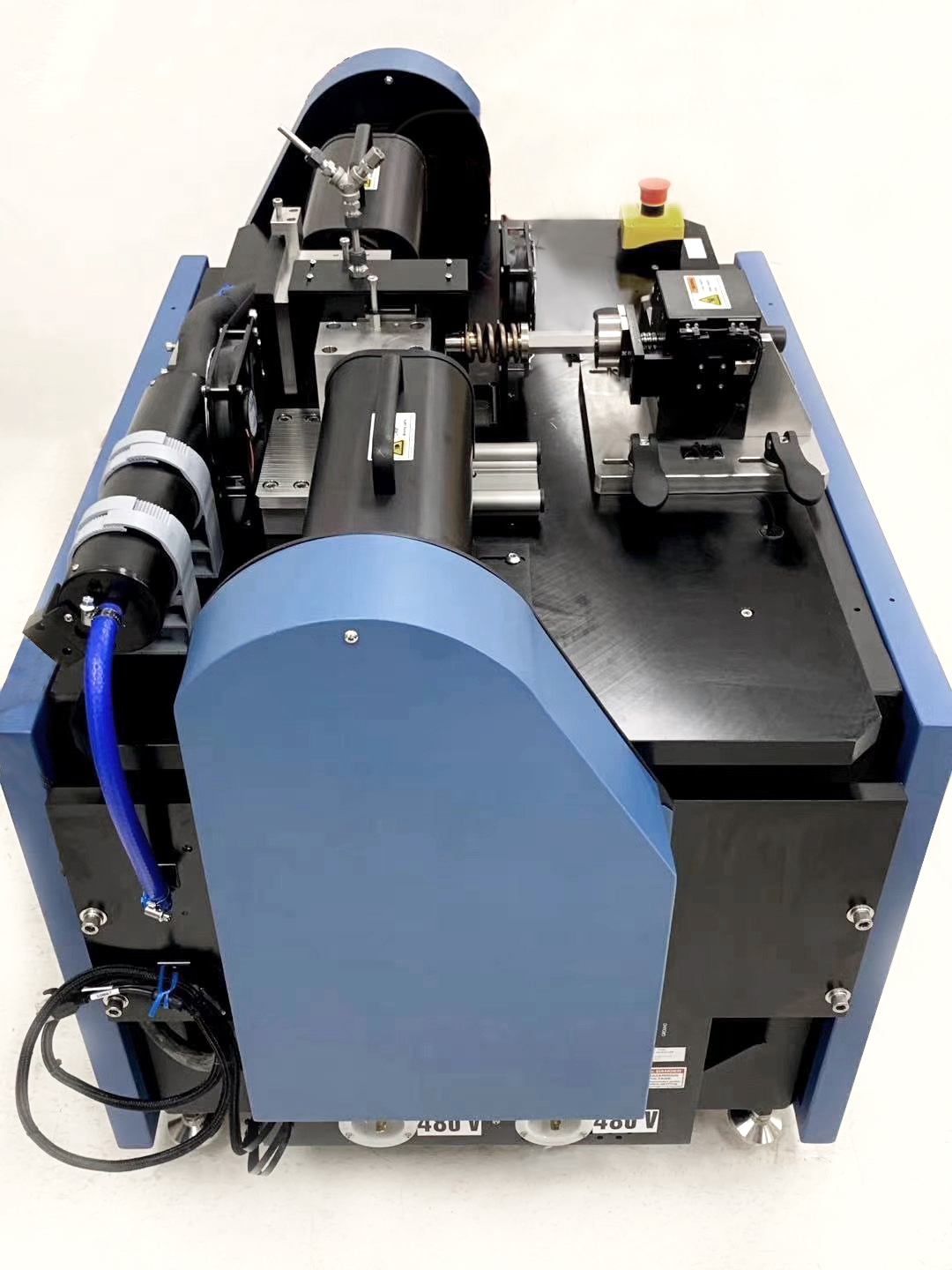
High Torque Motors allows for High Load, Torque and Speed Test

The TwinRoller-3000 comes with 220 and 308/480V (3 to 10KW motors) motor configurations that allows to test at very high torques, high load and high speed. This allows to do test close to real life scenarios.
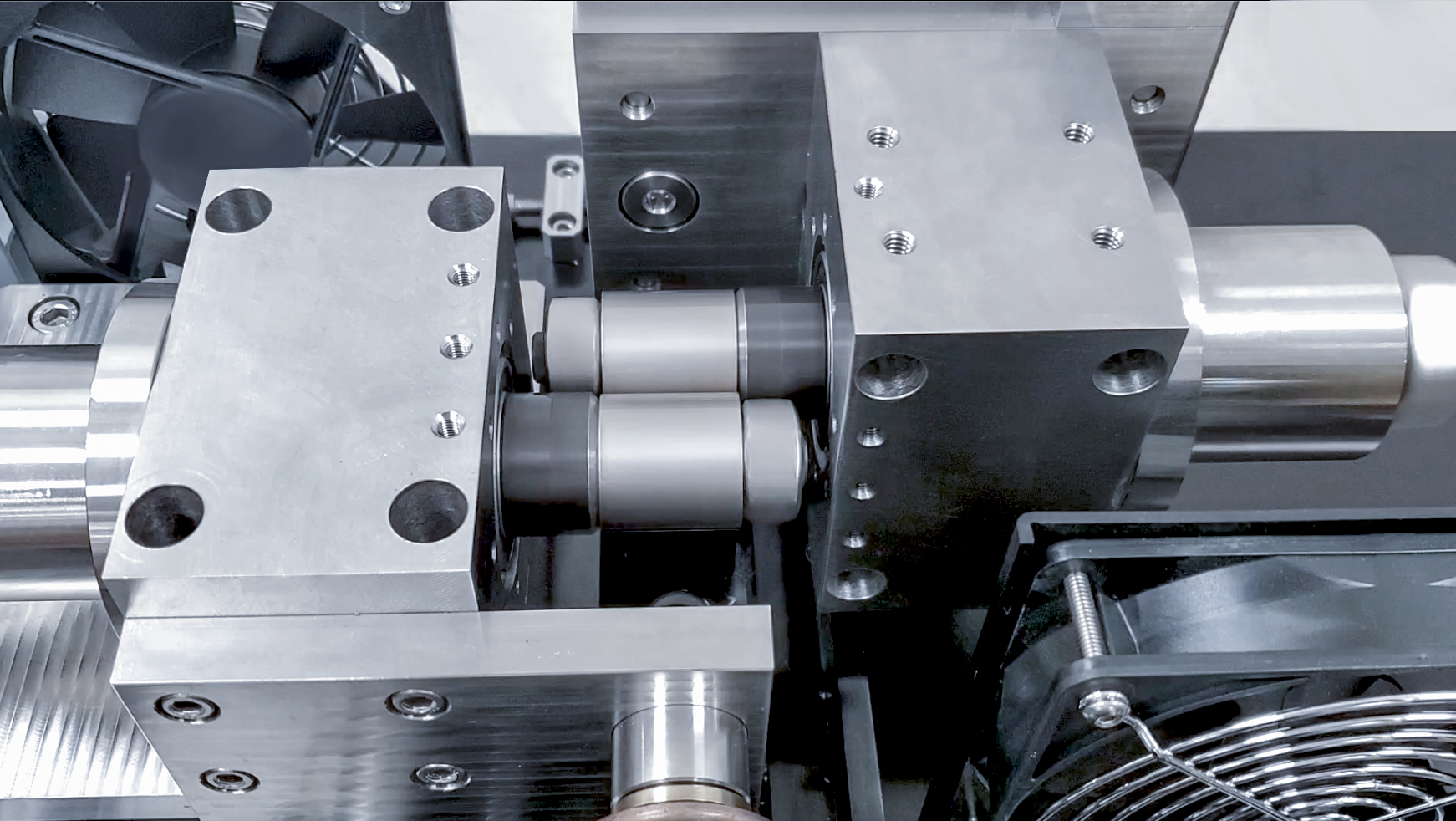
Flexible and Open Sample Architecture for wide sample size

The TwinRoller-3000 allows easy mounting of different roller diameters (up to 100mm diameter) and various geometries. This flexibility supports a wide range of research applications and rapid test setup. Researchers can quickly adapt experiments without complex modifications, making the system ideal for both industrial development and academic research.
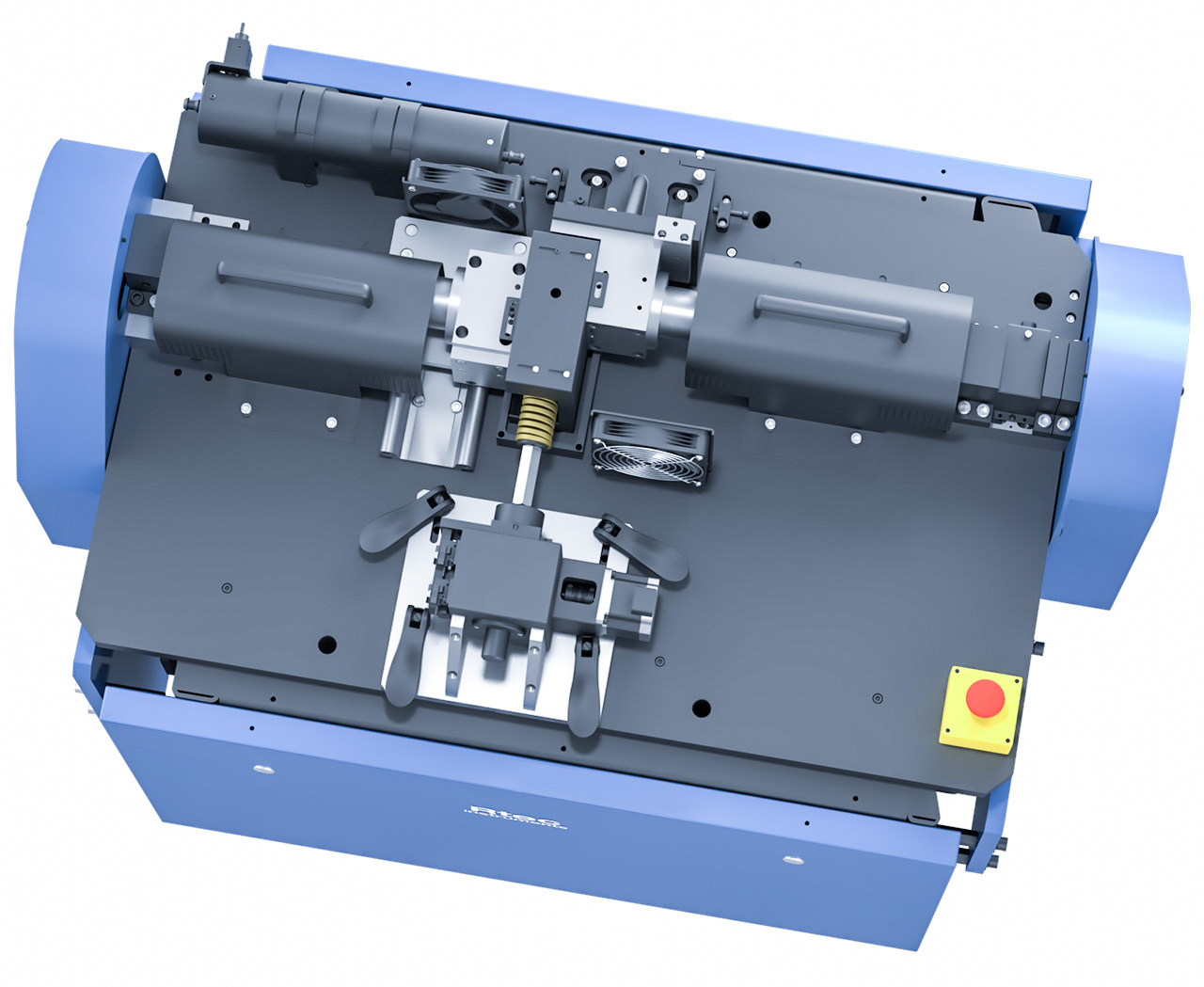
In-Line Measurement and Surface Analysis

The TwinRoller-3000 integrates in-line torque measurement, friction monitoring, acoustic detection, and 3D optical inspection to track surface changes and wear during testing. This unique capability provides real-time insight into rolling contact fatigue, enabling earlier detection of surface damage and deeper understanding of tribological mechanisms.
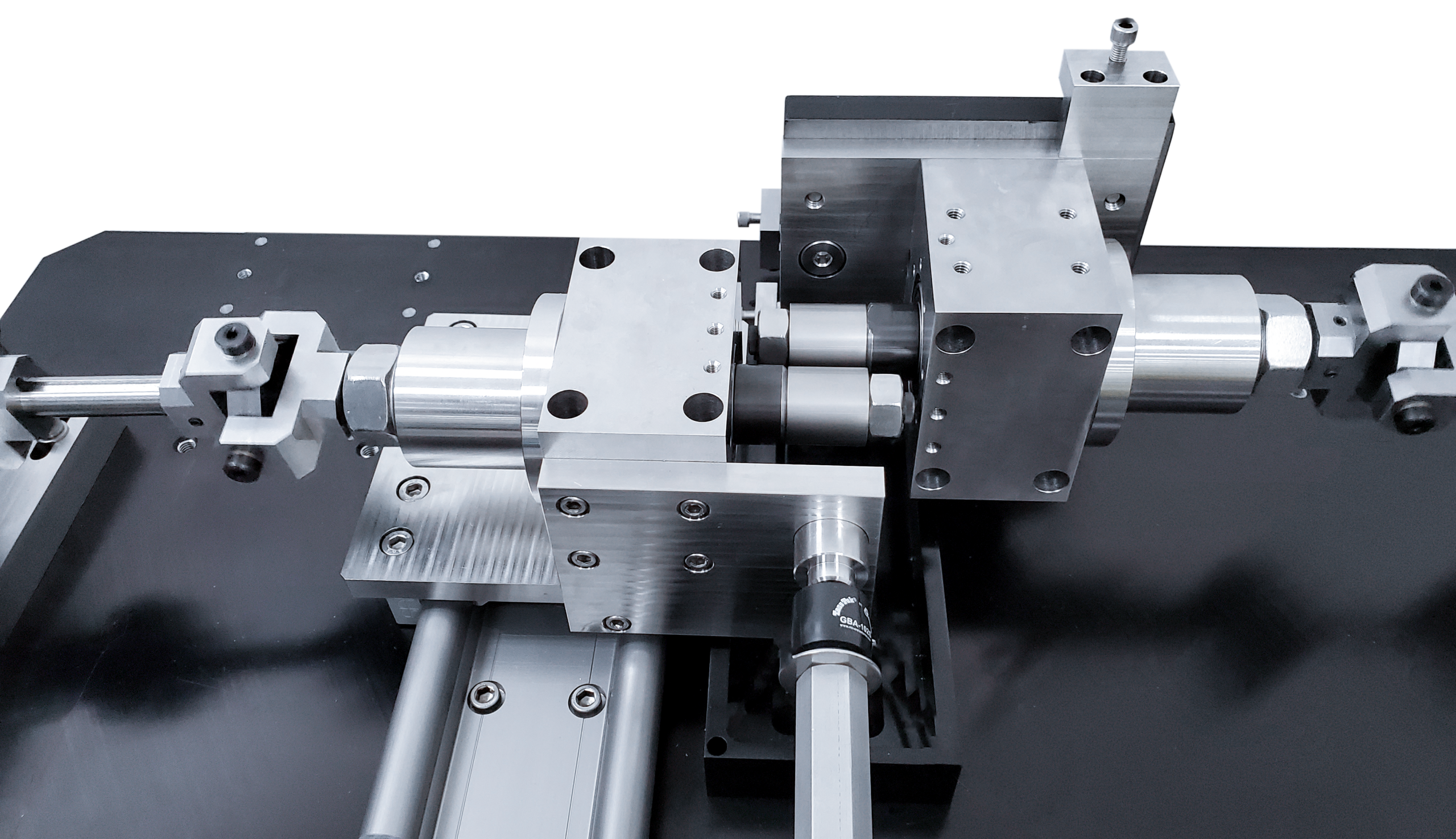
Precision Servo-Controlled Load Application

The TwinRoller-3000 features precision servo-controlled load application with a wide load range from nano and micro forces up to 8'000 N. Interchangeable load cells from 1 N to 8'000 N enable accurate testing across delicate lubrication studies and high-load rolling contact fatigue experiments, ensuring exceptional measurement sensitivity, stability, and repeatability.
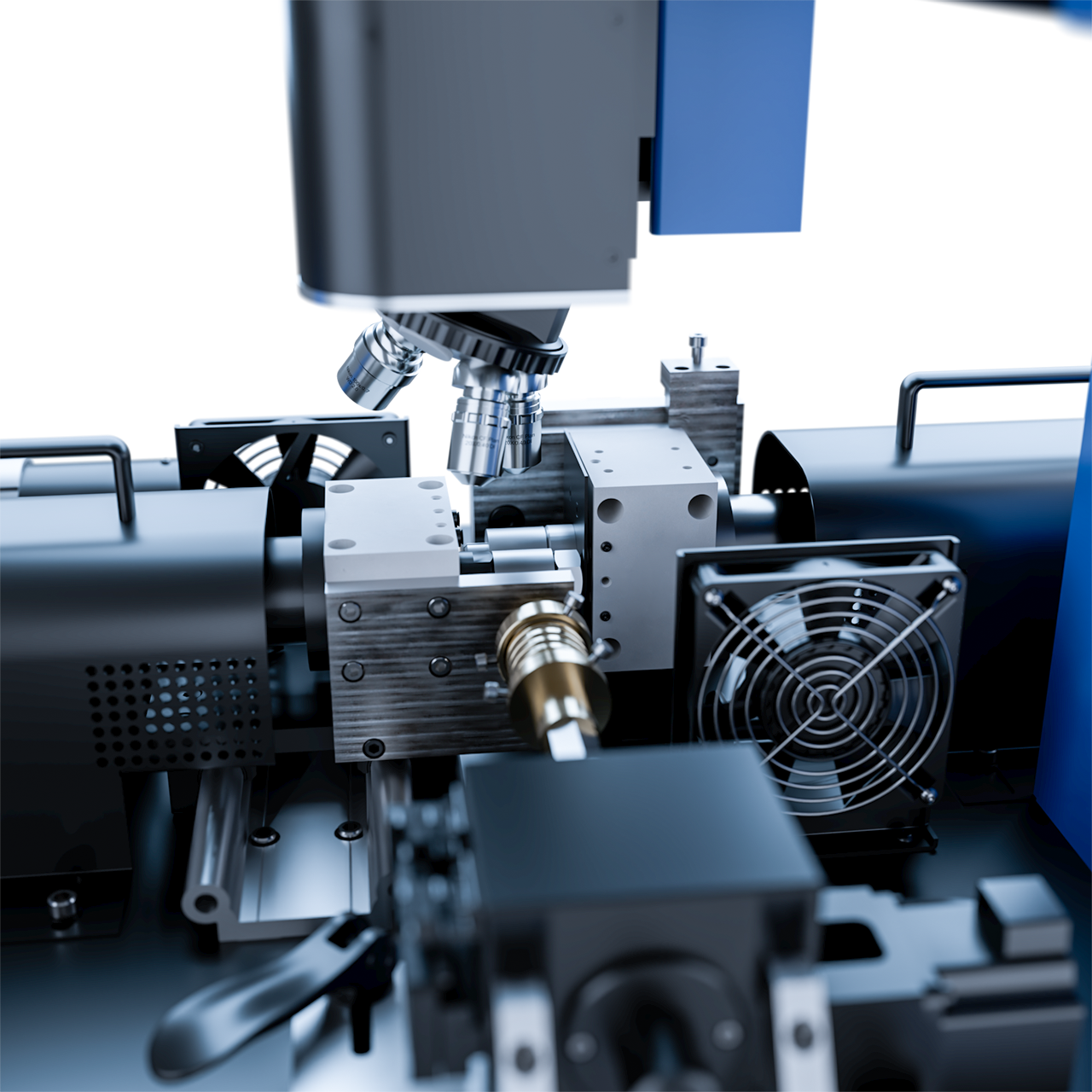
Environmental Control

TwinRoller-3000 allows to heat and cool the liquids during the test. Temperature range from -35 to 150C are available on the tool.

詳細はこちら

なぜツインローラー式トライボメーターを使うのか?

転がり接触疲労(RCF)は、転がり運動を行う機械部品においてよく見られる破壊メカニズムである。これは、表面が繰り返しの交番応力場を受けることで発生し、亀裂の発生と進展を引き起こし、最終的にはピッチング、スパリング、あるいは材料の除去をもたらす。

RCFの深刻度と発生メカニズムは、潤滑剤の清浄度、材料の品質、表面粗さ、および運転条件など、いくつかの要因によって左右されます。

高速列車、電気自動車、風力タービン、および先進的な歯車システムの急速な発展に伴い、転がり接触疲労の理解は極めて重要となっています。ツインローラー式トライボメーターを用いることで、エンジニアや研究者は実際の転がり接触条件をシミュレートすることができ、これにより部品の早期故障を防止し、機械システムの信頼性、効率、および寿命を向上させることができます。
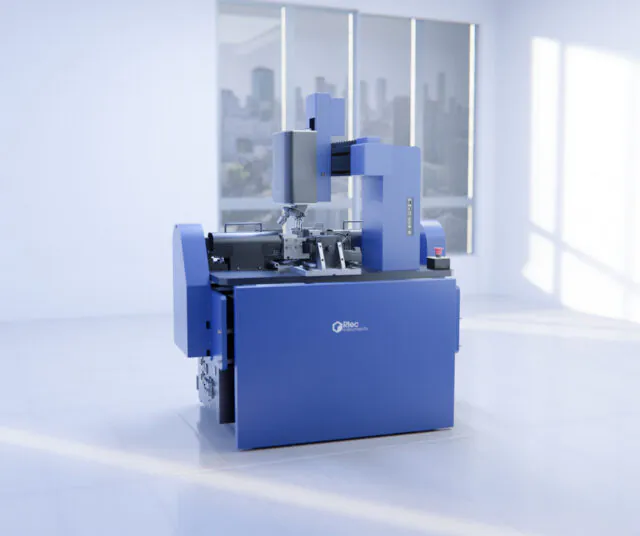
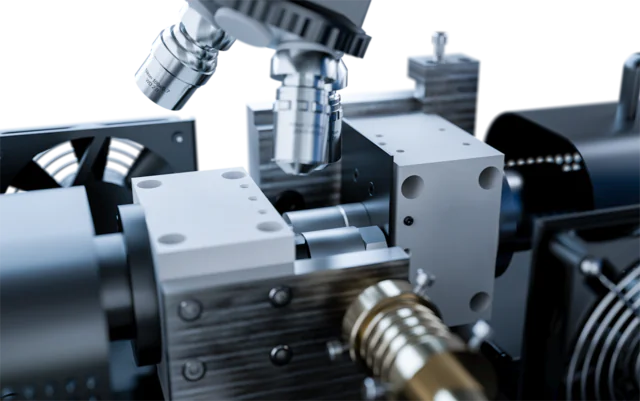
Twin Roller Tester for rolling contact fatigue, friction, and wear testing.
Twin Roller Tester for evaluating rolling contact fatigue and wear under simulated operating conditions.

EVトライボロジーと電気化学インピーダンス

各種滑り・転がり試験において、マイクロアンペアから数アンペアの電流を供給可能な、ポテンショスタットとAC/DC電源を一体化した装置です。これらの機能により、カスタム波形の生成や、滑り速度、荷重、温度、潤滑状態に応じた電気化学的特性の測定が可能となります。 接触状態がオーム的挙動から容量的挙動へと変化するにつれて、電気化学インピーダンスは潤滑膜の形成や厚さに関する直接的な知見を提供します。その結果得られるインピーダンスマップにより、EV用潤滑剤、ベアリング、および駆動系部品における潤滑状態の境界や電気的接触挙動を正確に特定することが可能になります。

ツインローラー式トライボメーター試験データ

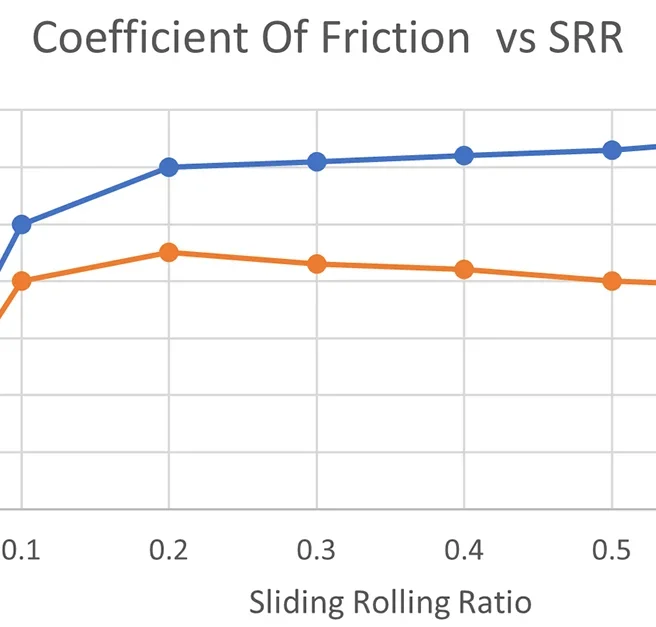
このデータは、コーティングを施した試験片とコーティングを施していない試験片の転がり接触疲労時の摩擦係数の結果を示しています。表面処理は1つの試験片に対して行われました。このデータは、溶射コーティングを施した後のRCF寿命がどの程度向上したかを示しています。
サンプル1– コーティングなし
サンプル2– 溶射コーティング

  • 500 Nの力
  • SRR:0~0.6
  • 温度 70°C
Traction curve graph showing coefficient of friction COF versus sliding rolling ratio SRR for coated and uncoated surfaces – Rtec Instruments TwinRoller tribometer
Load Range5'000 N / 8'000 N (high load model)
TorqueUp to 60 Nm (with 480 V)
Slide-Roll Ratio (SRR)Independently driven discs to achieve slide roll ratios (SRR's) between -10000 and +10000 %.
Entrainment speedup to 18 m/s (depends on the rollers size)
Temperature range-35 °C to 160 °C

よくある質問

A Twin Roller Tribometer is used to study rolling contact tribology, including friction, wear, traction, and rolling contact fatigue (RCF). It simulates the contact conditions found in bearings, gears, rail-wheel systems, and traction drives, helping researchers evaluate materials, coatings, and lubricants under realistic rolling and rolling-sliding conditions.
Twin roller systems can reproduce pure rolling, pure sliding, and rolling–sliding contact. By adjusting the slip ratio between the two rollers, researchers can simulate real mechanical interfaces such as gear teeth contacts or bearing raceways.
Rolling Contact Fatigue occurs when surfaces experience repeated cyclic stresses during rolling contact. Over time, these stresses initiate and propagate cracks that lead to pitting, spalling, or surface failure. RCF testing helps engineers improve the durability and reliability of mechanical components.
Twin roller tribometers are widely used in automotive, rail transportation, aerospace, wind energy, and lubricant development. They are particularly valuable for studying rolling contacts in EV drivetrains, bearings, gears, turbines, and rail-wheel interfaces.
Key testing parameters include load, speed, slip ratio, temperature, and lubrication conditions. Advanced systems also measure torque, friction coefficient, acoustic signals, and surface wear, enabling comprehensive tribological analysis.
Twin roller systems can test a wide variety of materials including metals, coatings, ceramics, and surface-treated components. Researchers often evaluate coated rollers, lubricated contacts, hardened steels, and advanced tribological materials.
Friction is typically measured using in-line torque sensors. These sensors capture the torque generated at the rolling contact interface, allowing precise calculation of traction and friction coefficients during rolling or rolling-sliding experiments.
Electric vehicles, high-speed trains, and modern gear systems operate under high loads, high speeds, and complex lubrication regimes. Twin roller testing helps engineers understand traction behavior, lubrication performance, and fatigue resistance, improving efficiency and preventing premature component failure.
A Twin Roller Tribometer specifically studies rolling and rolling-sliding contacts, while many tribometers focus on sliding contacts such as pin-on-disk tests. Twin roller systems replicate real mechanical interfaces found in bearings, gears, and traction drives, making them ideal for rolling contact fatigue and traction studies.
Traction testing measures the frictional force generated between rolling surfaces under lubricated conditions, often in elastohydrodynamic lubrication (EHL) regimes. Twin roller tribometers are commonly used to study traction behavior in gears, bearings, and automotive transmissions, helping optimize lubricant formulations and surface materials.
A Twin Roller Tribometer uses two independently driven rollers to replicate rolling interfaces. By controlling load, speed, slip ratio, temperature, and lubrication, the system can accurately reproduce real operating conditions found in gear teeth contacts, bearing raceways, and wheel-rail interfaces.
Typical measurements include friction coefficient, traction force, wear, rolling contact fatigue life, torque, acoustic signals, and surface damage. Advanced systems may also integrate in-line optical surface inspection, allowing researchers to monitor crack initiation, pitting, and wear during the experiment.

トライボロジーの
に関する研究を、さらに次のレベルへと引き上げる準備はできていますか?

Rtec Instrumentsの最先端ソリューションをご覧ください。当社の技術が、お客様の業務をどのように支援できるかをご確認ください。

当社の専門家にお問い合わせください