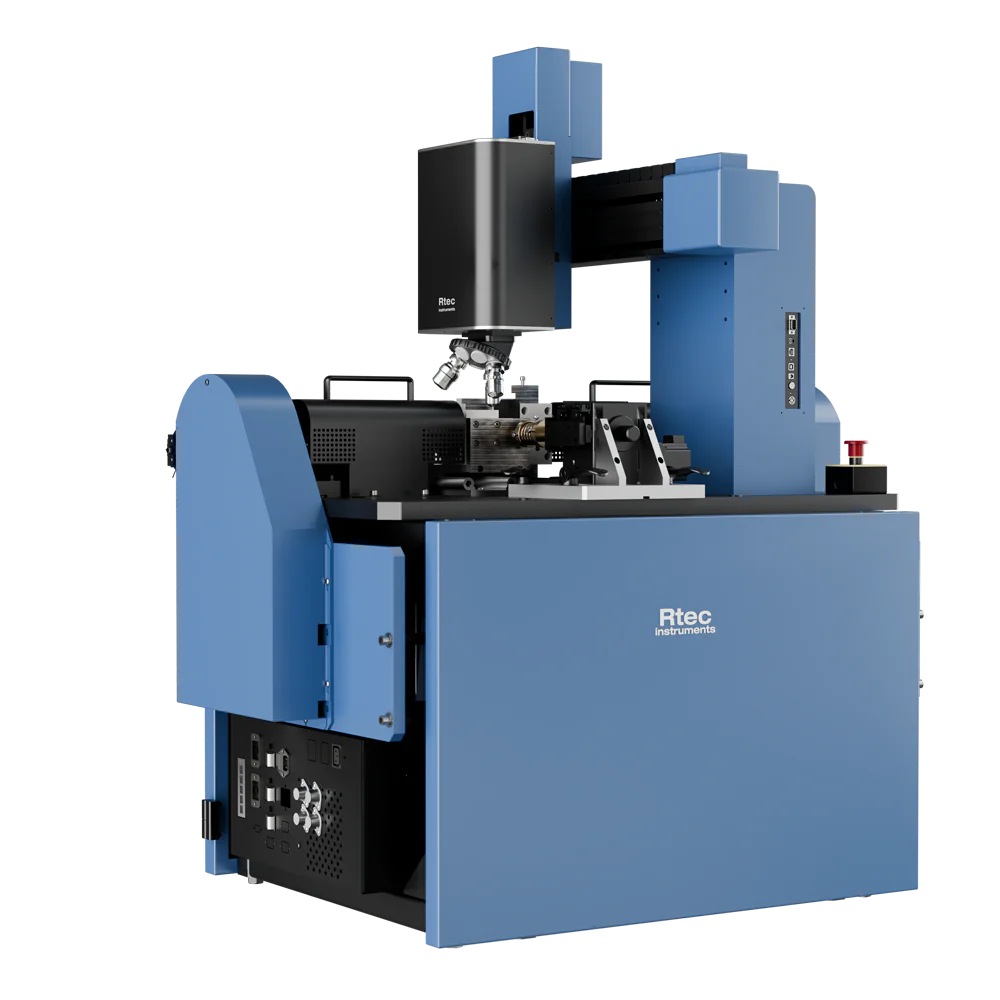
Tribomètre à roulement et à glissement
TWR-3000 Tribology Insight at the Rolling Interface
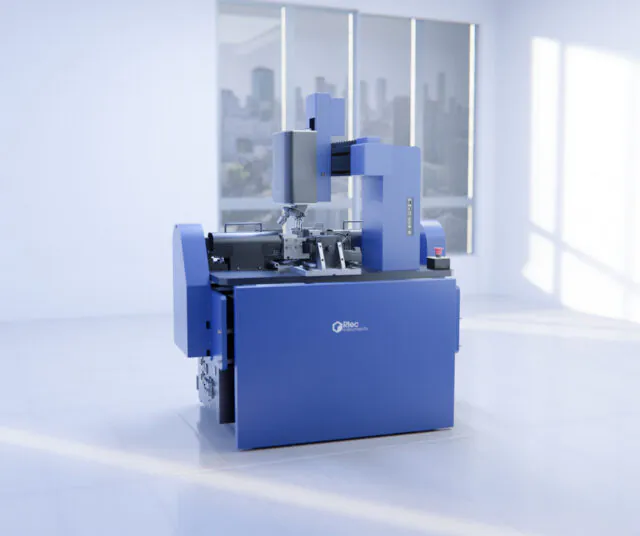
Le TwinRoller-3000 est un tribomètre à double rouleau de pointe, conçu pour l’étude de la traction, de l’usure et de la fatigue par contact de roulement (RCF) dans un large éventail de conditions de roulement-glissement. Son architecture à plateforme ouverte offre un accès aisé et une grande flexibilité pour différents montages expérimentaux. Le système est équipé de deux servomoteurs à couple élevé, commandés indépendamment, qui permettent un contrôle précis de la vitesse de roulement et du rapport de glissement. La force de contact est appliquée par le biais d’entraînements électroservomoteurs, garantissant un contrôle stable et précis de la charge. Associé à des programmes d’essai entièrement automatisés et à des contrôleurs avancés, le TwinRoller-3000 fournit des mesures tribologiques hautement reproductibles, précises et fiables, tant pour la recherche que pour les applications industrielles.
CARACTÉRISTIQUES PRINCIPALES

Rolling and Sliding Simulation
The TwinRoller-3000 accurately reproduces pure rolling, pure sliding, and rolling-sliding conditions, allowing researchers to replicate real mechanical contacts found in gears, bearings, and traction systems. Independent motor control enables precise slip ratio adjustments, delivering realistic tribological testing conditions that outperform simplified or single-mode test systems.
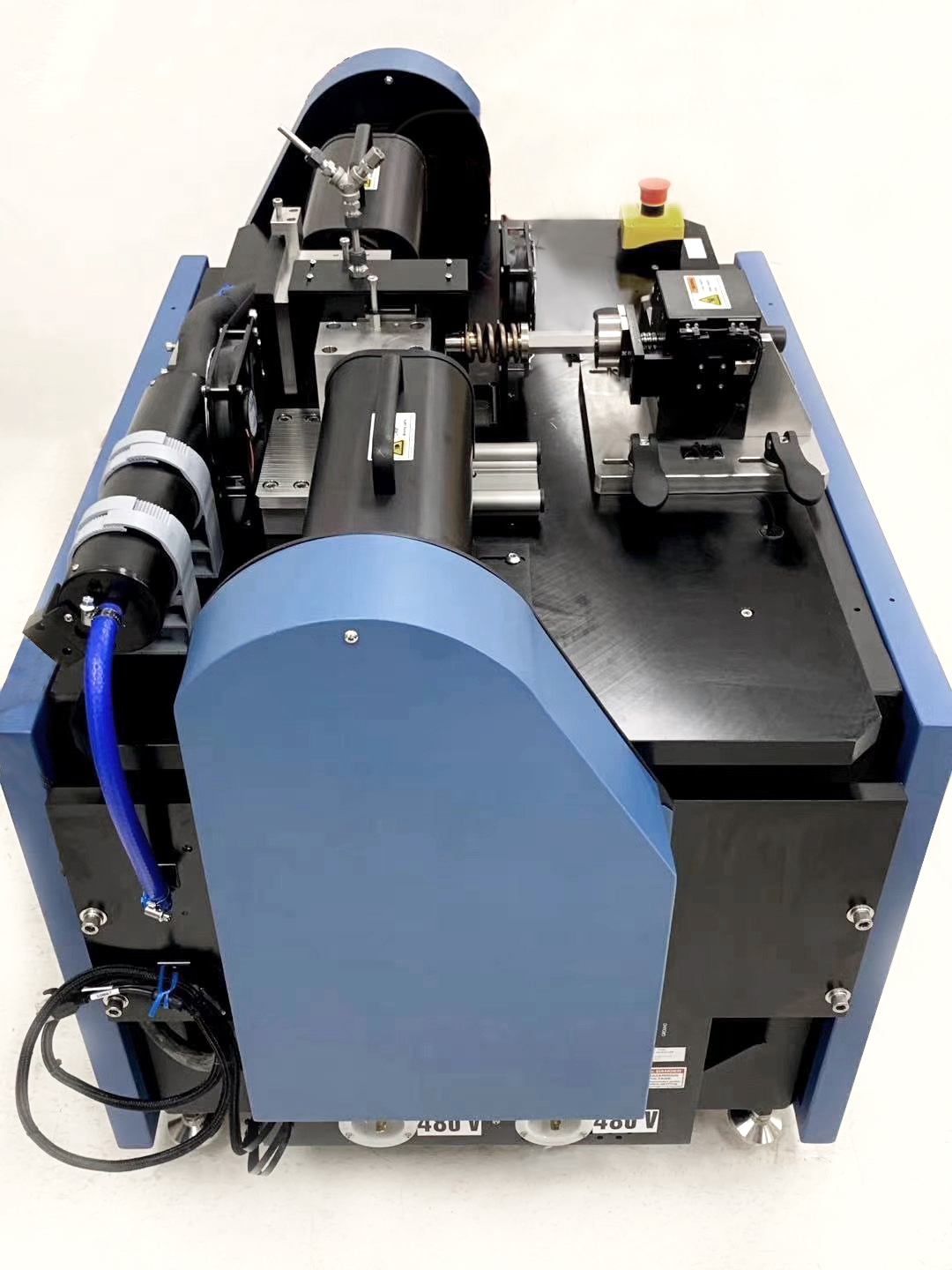
High Torque Motors allows for High Load, Torque and Speed Test
The TwinRoller-3000 comes with 220 and 308/480V (3 to 10KW motors) motor configurations that allows to test at very high torques, high load and high speed. This allows to do test close to real life scenarios.
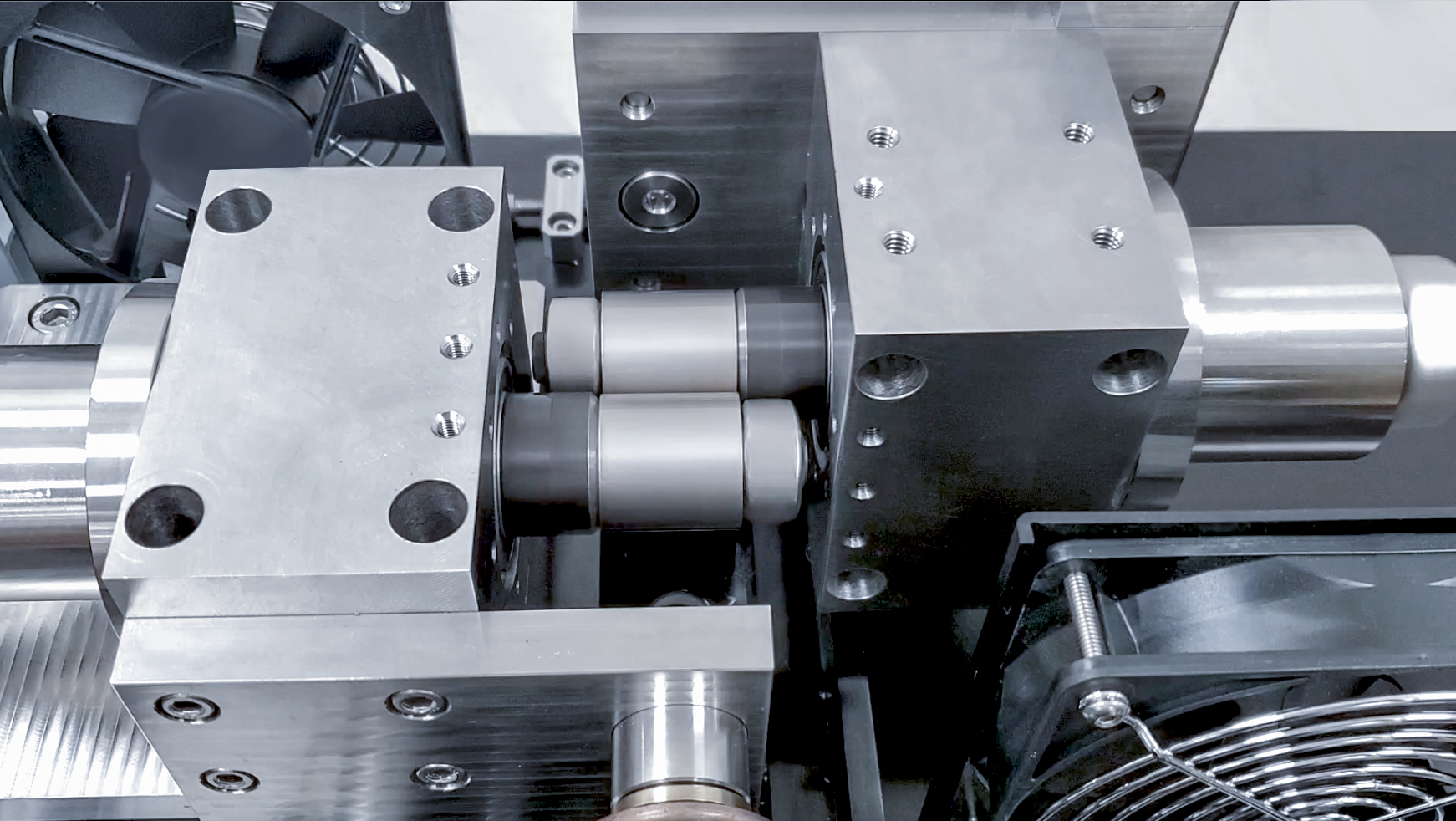
Flexible and Open Sample Architecture for wide sample size
The TwinRoller-3000 allows easy mounting of different roller diameters (up to 100mm diameter) and various geometries. This flexibility supports a wide range of research applications and rapid test setup. Researchers can quickly adapt experiments without complex modifications, making the system ideal for both industrial development and academic research.
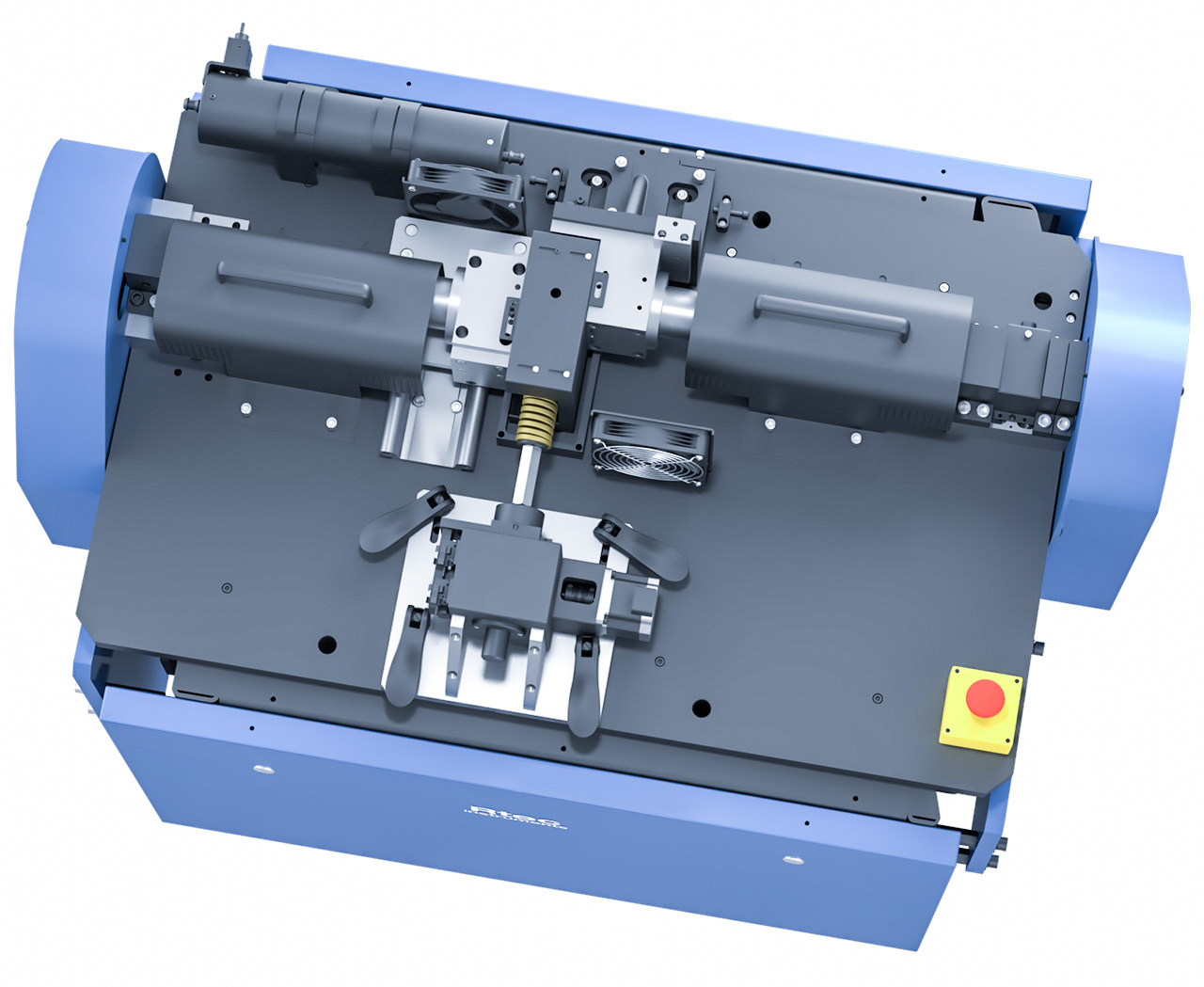
In-Line Measurement and Surface Analysis
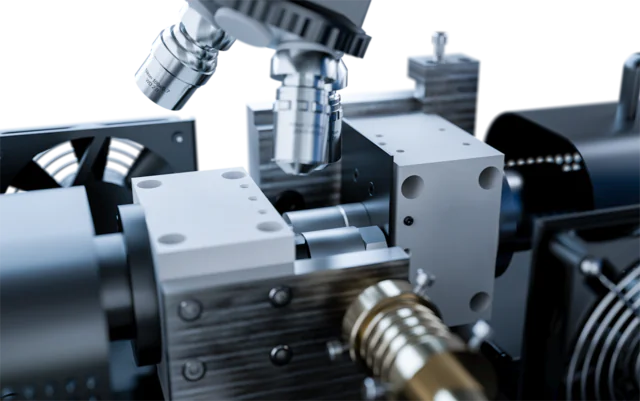
The TwinRoller-3000 integrates in-line torque measurement, friction monitoring, acoustic detection, and 3D optical inspection to track surface changes and wear during testing. This unique capability provides real-time insight into rolling contact fatigue, enabling earlier detection of surface damage and deeper understanding of tribological mechanisms.
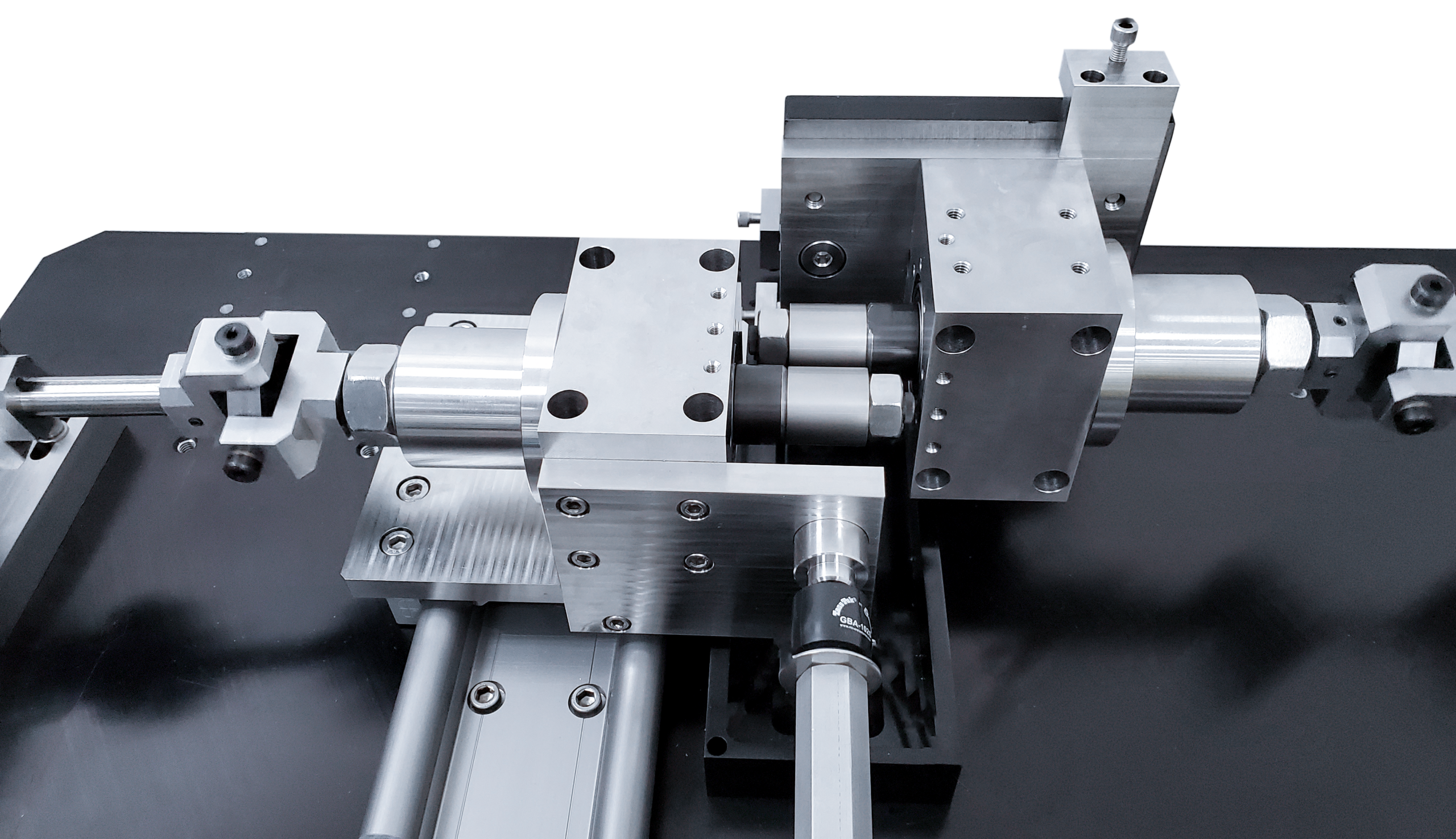
Precision Servo-Controlled Load Application
The TwinRoller-3000 features precision servo-controlled load application with a wide load range from nano and micro forces up to 8'000 N. Interchangeable load cells from 1 N to 8'000 N enable accurate testing across delicate lubrication studies and high-load rolling contact fatigue experiments, ensuring exceptional measurement sensitivity, stability, and repeatability.
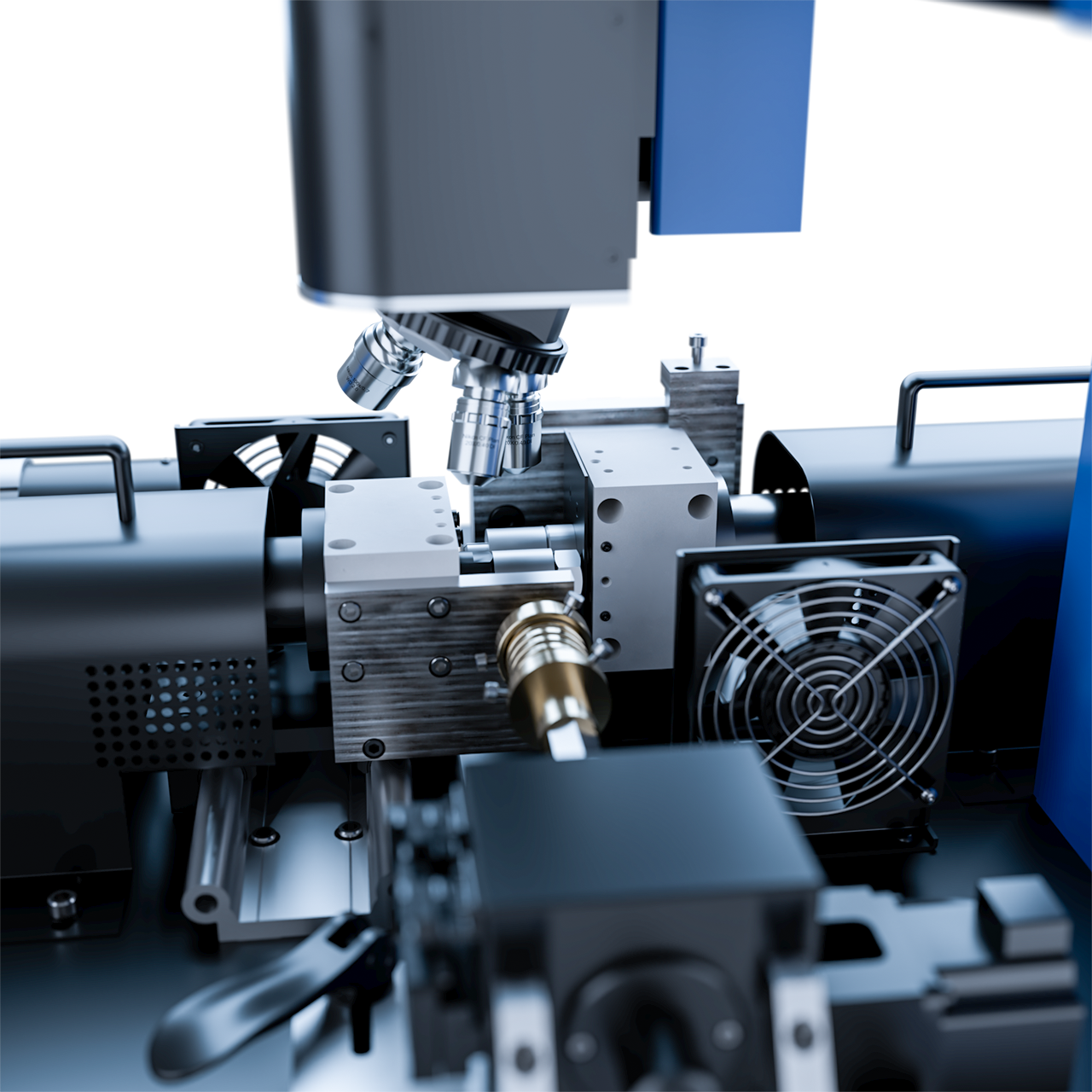
Environmental Control
TwinRoller-3000 allows to heat and cool the liquids during the test. Temperature range from -35 to 150C are available on the tool.
En savoir plus sur
Pourquoi utiliser un tribomètre à double rouleau ?
La fatigue par contact de roulement (RCF) est un mécanisme de défaillance courant dans les composants mécaniques à roulement. Elle survient lorsque les surfaces sont soumises à des champs de contraintes alternées répétées, ce qui entraîne l’apparition et la propagation de fissures qui finissent par provoquer des piqûres, des écaillages ou une perte de matière.
La gravité et le mécanisme de l’usure par frottement (RCF) dépendent de plusieurs facteurs, notamment la propreté du lubrifiant, la qualité des matériaux, la rugosité de surface et les conditions de fonctionnement.
Avec le développement rapide des trains à grande vitesse, des véhicules électriques, des éoliennes et des systèmes d’engrenages de pointe, il est devenu essentiel de bien comprendre la fatigue due au contact roulant. Les tribomètres à double rouleau permettent aux ingénieurs et aux chercheurs de simuler des conditions réelles de contact roulant, ce qui contribue à prévenir les défaillances prématurées des composants et à améliorer la fiabilité, le rendement et la durée de vie des systèmes mécaniques.
EV Tribologie et impédance électrochimique
Potentiostat intégré et sources d’alimentation CA/CC capables de fournir des courants allant de quelques microampères à plusieurs ampères lors de divers essais de glissement et de roulement. Ces capacités permettent de générer des formes d’onde électriques personnalisées et de mesurer les propriétés électrochimiques en fonction de la vitesse de glissement, de la charge, de la température et du régime de lubrification. À mesure que les conditions de contact évoluent d’un comportement ohmique vers un comportement capacitif, l’impédance électrochimique fournit des informations directes sur la formation et l’épaisseur du film lubrifiant. Les cartes d’impédance ainsi obtenues permettent d’identifier avec précision les limites des régimes de lubrification ainsi que le comportement des contacts électriques dans les lubrifiants pour véhicules électriques, les roulements et les composants de la chaîne cinématique.
Données d’essai au tribomètre à double rouleau
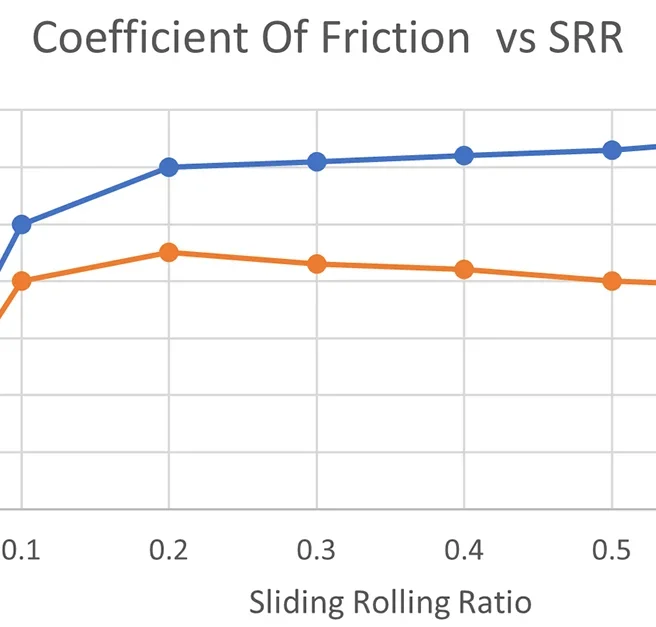
Les données présentent les résultats relatifs au coefficient de frottement lors de la fatigue par contact de roulement d’un échantillon revêtu et d’un échantillon non revêtu. Les traitements de surface ont été réalisés sur un seul échantillon. Les données montrent l’amélioration de la durée de vie en termes de coefficient de frottement (RCF) après l’application d’un revêtement par projection thermique.
Échantillon 1 – non enduit
Exemple n° 2 – revêtement par projection thermique
- une force de 500 N
- SRR de 0 à 0,6
- Température : 70 °C
| Load Range | 5'000 N / 8'000 N (high load model) |
|---|---|
| Torque | Up to 60 Nm (with 480 V) |
| Slide-Roll Ratio (SRR) | Independently driven discs to achieve slide roll ratios (SRR's) between -10000 and +10000 %. |
| Entrainment speed | up to 18 m/s (depends on the rollers size) |
| Temperature range | -35 °C to 160 °C |