Multi-Function Tribometers
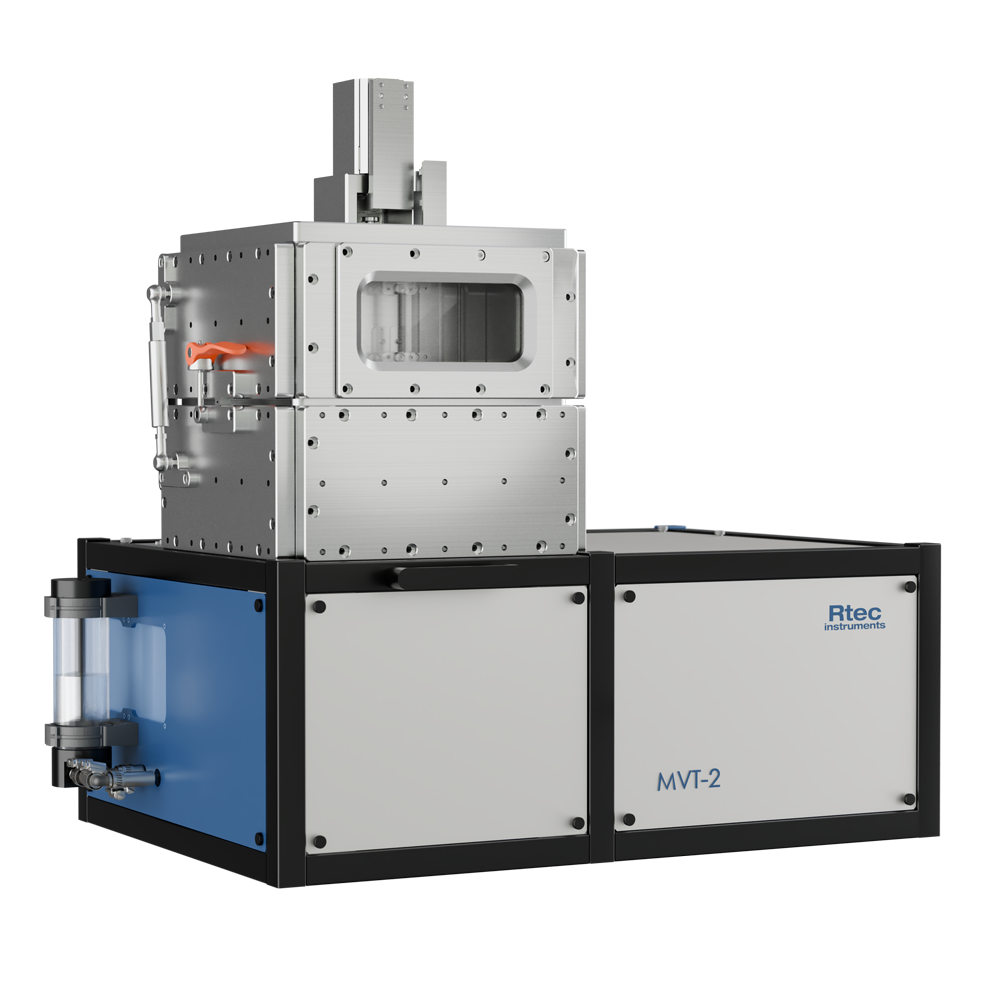
MVT-2 Multi-Function Vacuum Tribometer
The MVT-2 is a high-performance vacuum tribometer engineered for advanced friction, wear, and lubrication testing across extreme environments. With ultra-high vacuum capability down to 10⁻⁷ Torr, cryogenic to 1000°C temperature control, and patented capacitive force sensing, it delivers unmatched measurement accuracy and repeatability. Its closed-loop force control and versatile rotary/linear motion modes enable automated tribological characterization with minimal operator input. The open-platform chamber architecture supports rapid reconfiguration for diverse sample sizes and inline optical metrology. Ideal for aerospace, semiconductor, coatings, and surface science research, the MVT-2 sets a new standard in vacuum tribology instrumentation.
KEY FEATURES
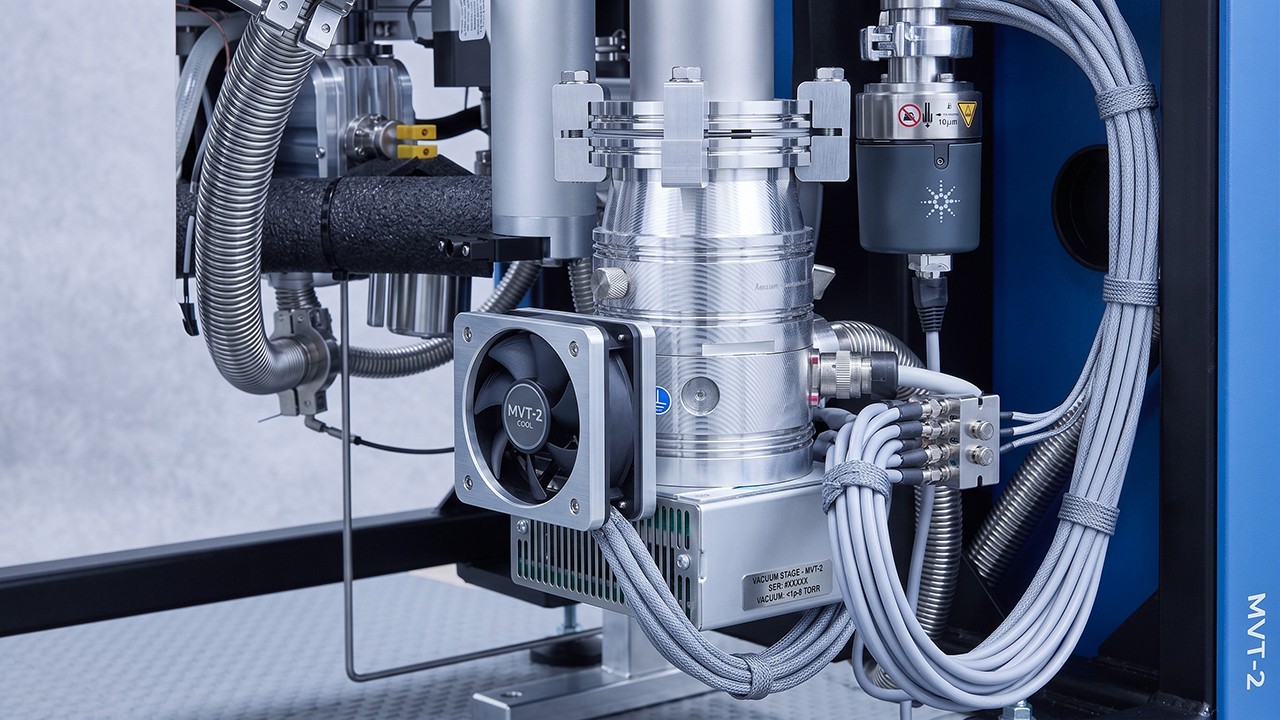
Ultra-High Vacuum Capability
Driven by an integrated turbopump, the chamber rapidly reaches pressures down to 10⁻⁷ Torr without lengthy delays. Test materials and coatings under space-like, contaminant-free conditions — critical for aerospace, semiconductor, and surface science applications where atmospheric gases would otherwise alter friction and wear behavior.
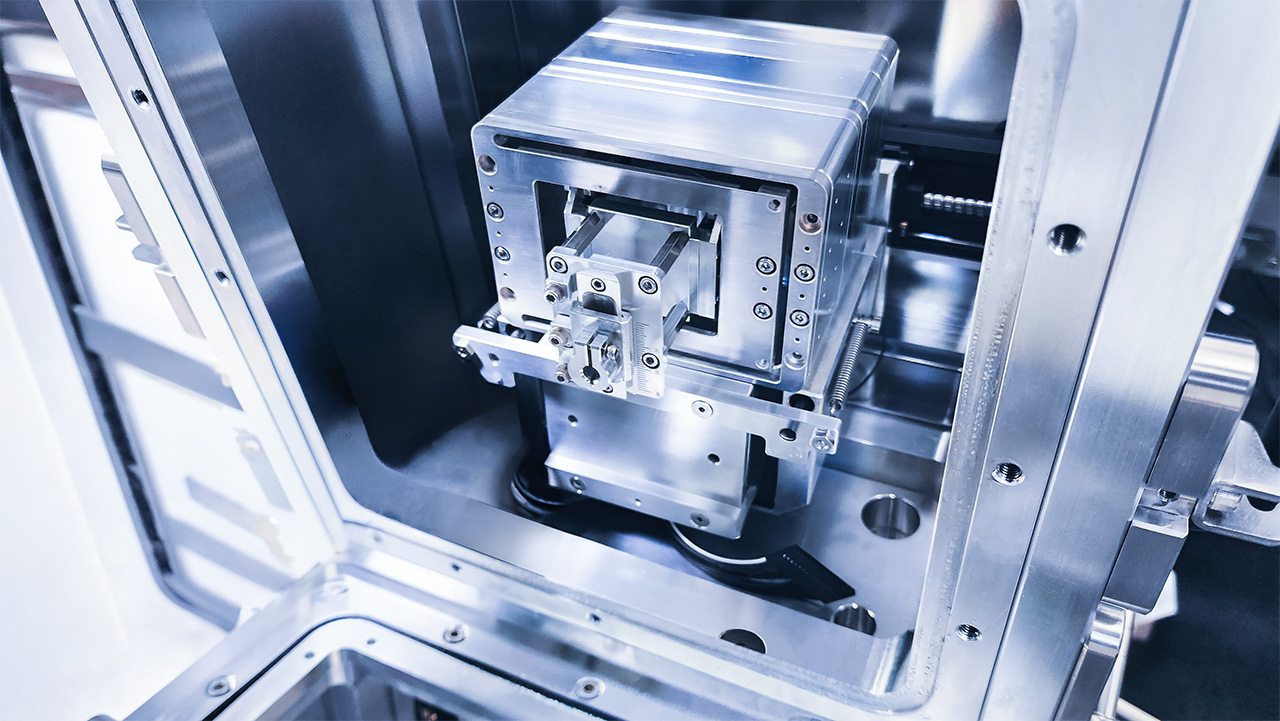
Patented Capacitive Force Sensing
Our proprietary capacitive force sensor, derived from the proven Argon sensor platform, delivers stable, drift-free measurements across the full vacuum range. Unlike strain-gauge alternatives, it produces zero outgassing — preserving chamber integrity while maintaining measurement accuracy from millinewton loads to high-force tribological testing.
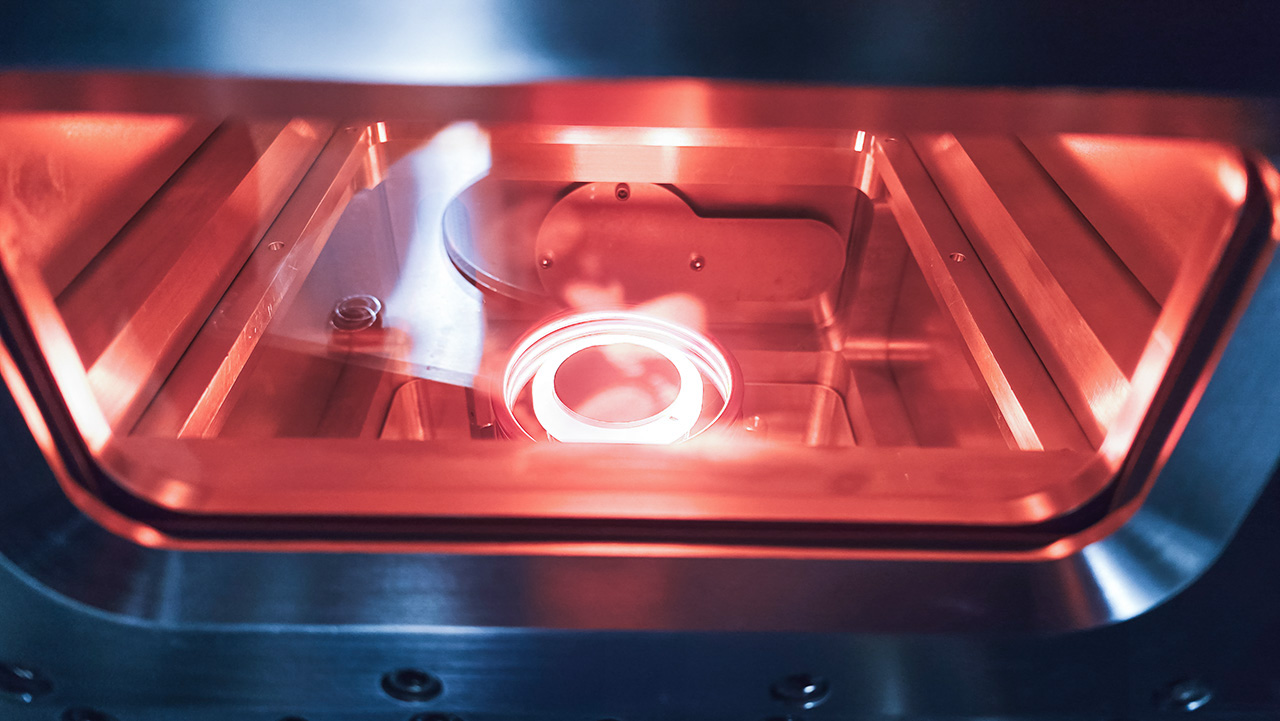
Cryogenic to High-Temperature Testing
A closed-loop temperature controller spans an exceptional range: from −150 °C using a liquid nitrogen cryogenic chamber, up to 400 °C in the standard heating configuration, or 1000 °C with the high-power option. Reproduce real-world thermal conditions with precision and repeatability across every test.
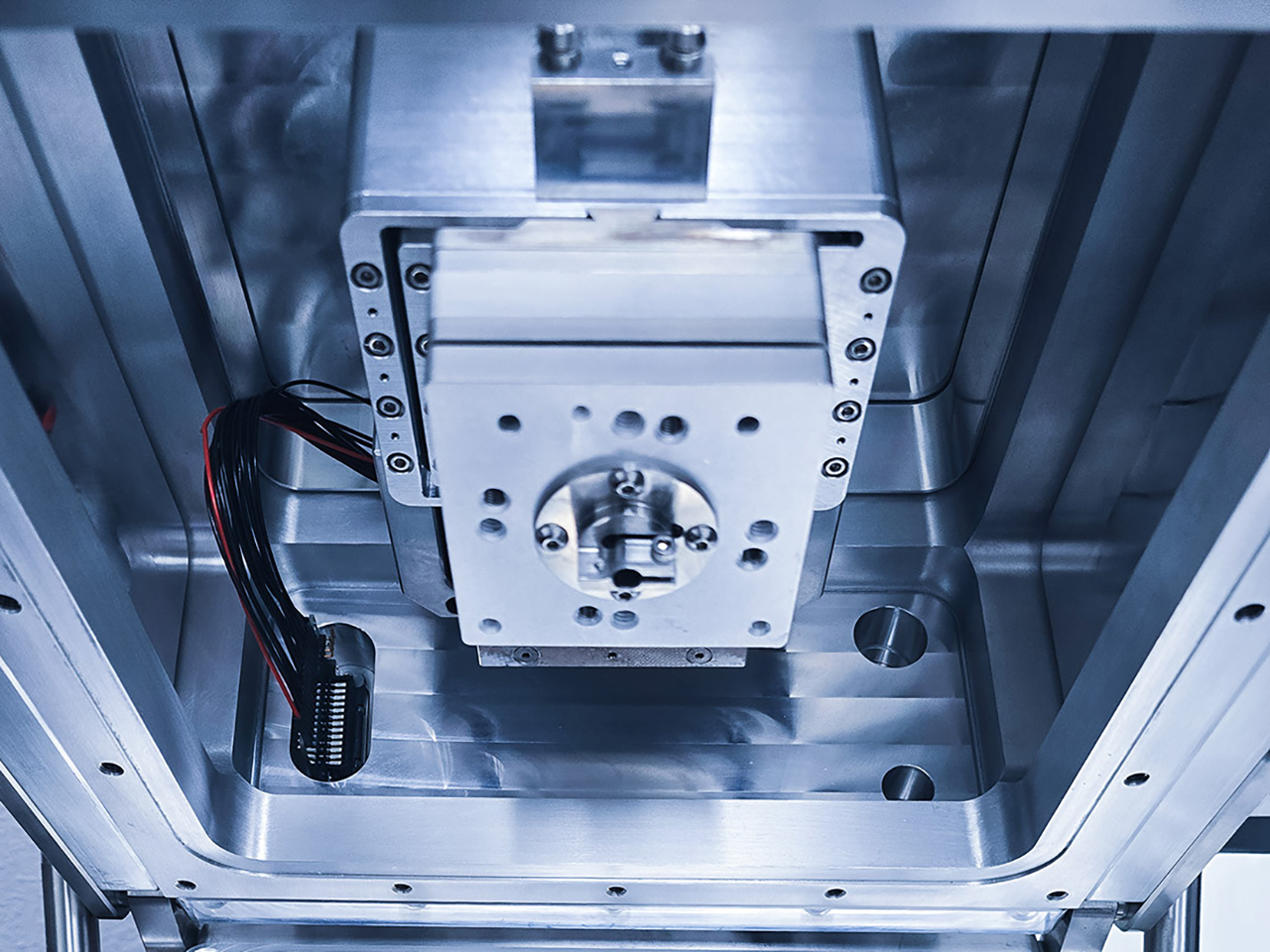
Closed-Loop Force Control
Real-time closed-loop force control up to 200 N actively maintains the set load throughout each test. This enables fully automated friction-vs-load and friction-vs-speed curves without manual intervention, reducing operator variability and dramatically increasing throughput for systematic tribological characterization studies.
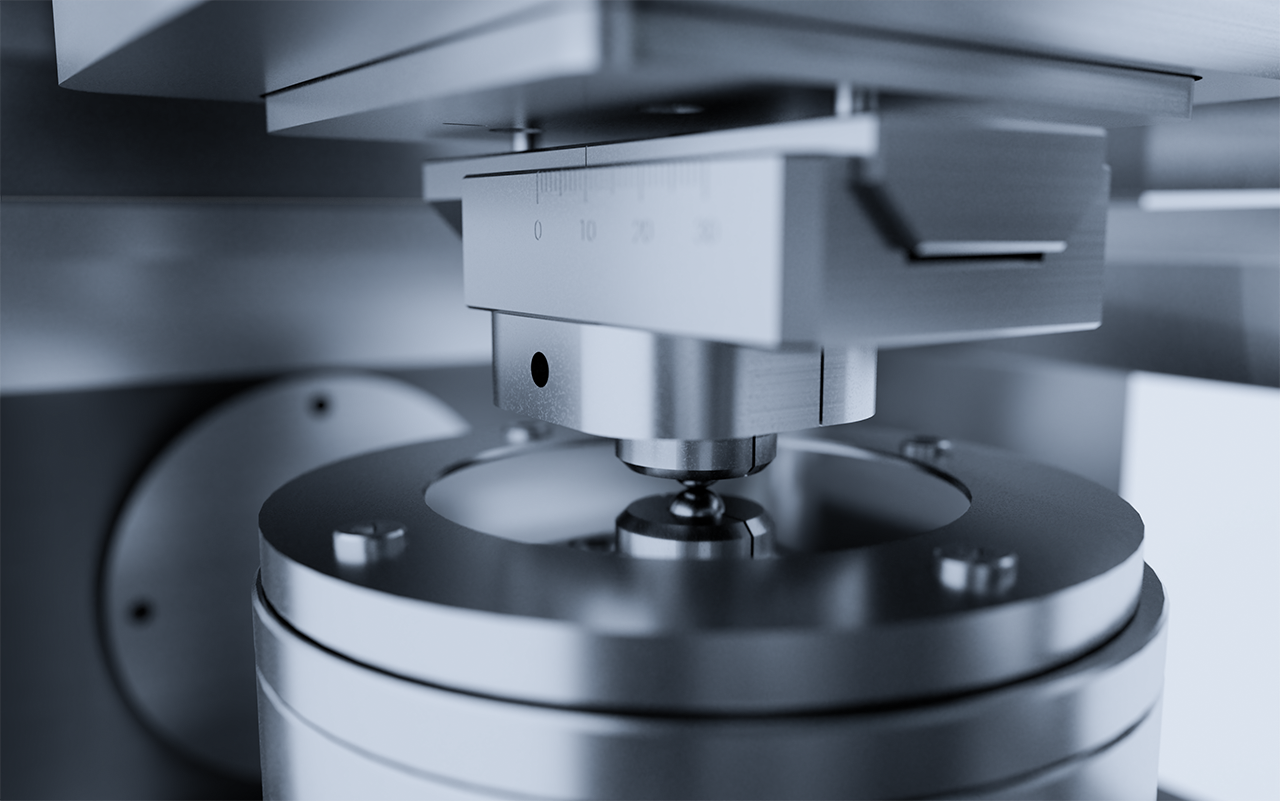
Versatile Motion — Rotary & Linear
Covering a wide range of contact conditions in a single instrument, the MVT-2 offers rotary mode up to 5,000 RPM and linear mode up to 6 mm/s. Optional piezo drives add sub-micron precision for fretting, low-amplitude, and nanoscale tribology experiments.
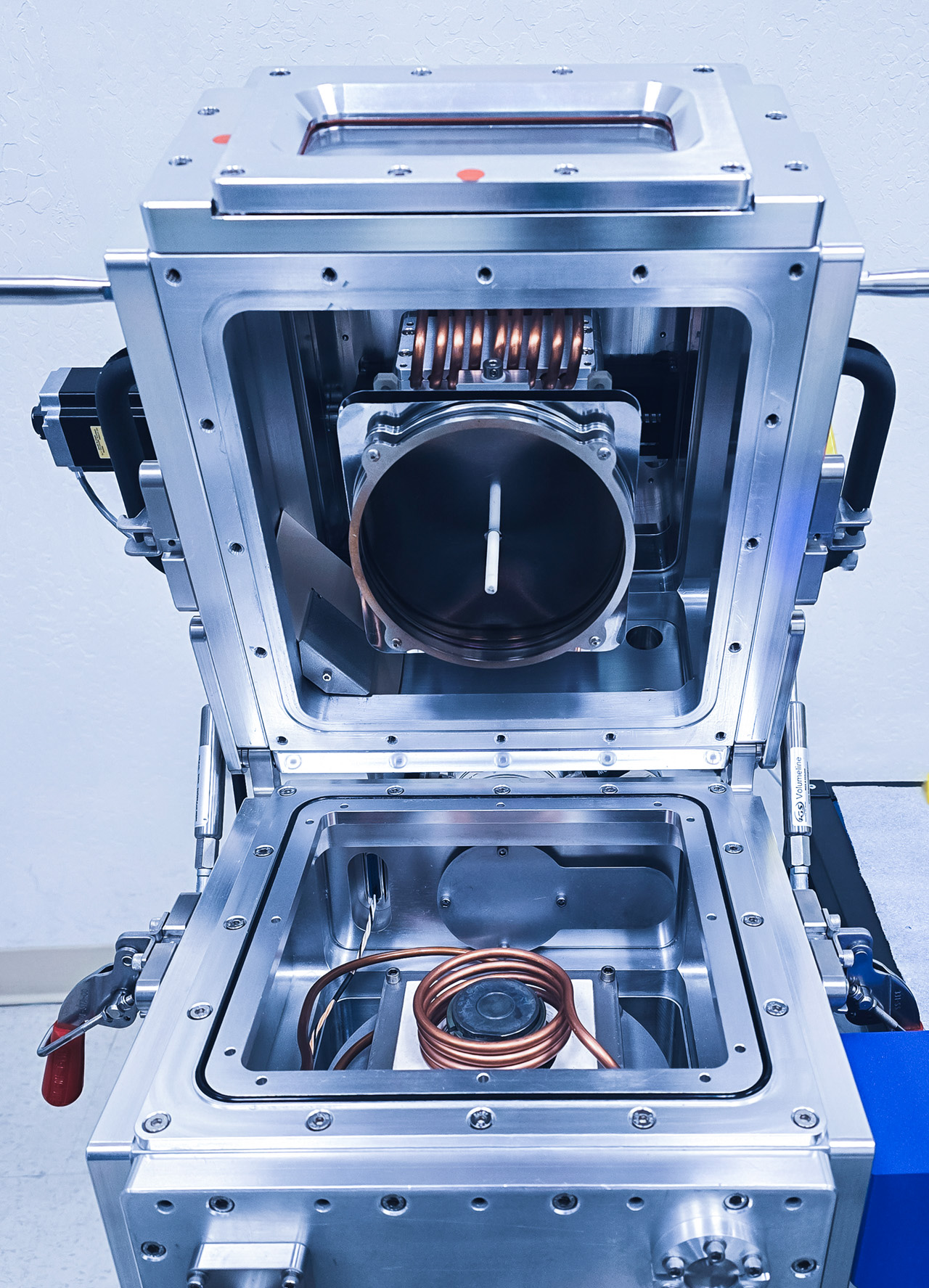
Open Platform Architecture
The chamber's modular open-platform design makes reconfiguration fast and tool-free. Interchangeable side plates accommodate varied sample sizes, while multiple accessory ports support additional sensors, electrical feedthroughs, or inline optical metrology — giving researchers a future-proof platform that adapts to evolving experimental requirements.
More about
Environmental Control
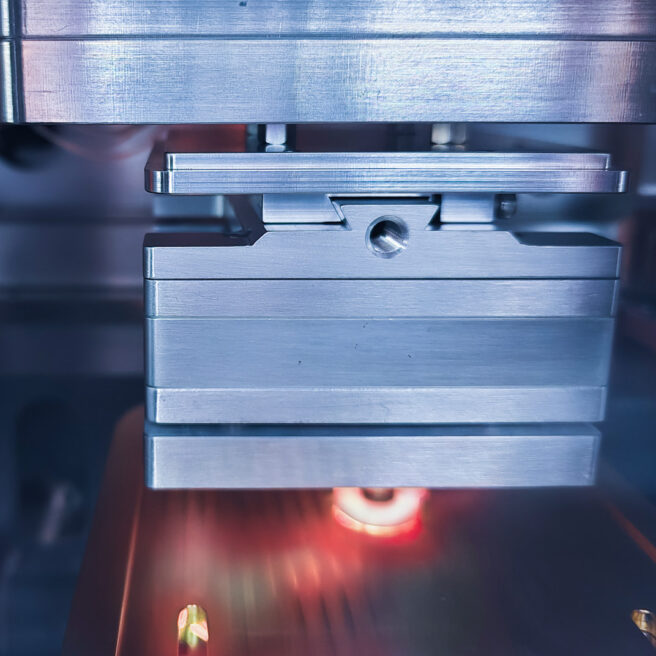
Friction coefficient and wear behavior are highly dependent on environmental conditions. The MVT-2 vacuum tribometer furthermore features advanced closed-loop temperature control from −120°C to 400°C on the same setup, with temperatures adjustable automatically during testing. Additionally, an optional high-power configuration extends the range to 1000°C — consequently covering aerospace, semiconductor, and automotive tribology applications.
Vacuum Tribology Test Data
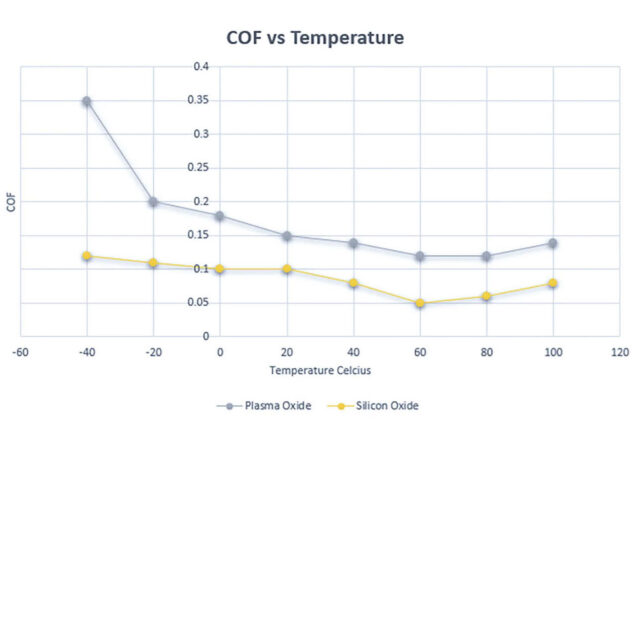
Data shows coefficient of friction results from vacuum tribometer. The surface treatments were done on two samples.
Sample 1 – the plasma oxide treatment.
Sample 2 – silicon oxide treatment.
- 10 N force
- Velocity 4 mm/s
- Acceleration at 0.1 mm/s2.
- 10-6 Torr
MVT-2 Testing Data
Why Vacuum Tribology?
Advancements in space, semiconductor, aerospace, and thin-film technologies have driven increased interest in understanding material and coating behavior under vacuum conditions. However, friction, wear, and adhesion mechanisms in vacuum differ significantly from those observed in ambient environments. Because of this, developing next-generation vacuum-compatible components therefore requires tribology testing under conditions that closely replicate real operating environments.
For this reason, meaningful evaluation of materials for vacuum applications consequently depends on vacuum tribology testing performed under realistic thermal, mechanical, and environmental conditions.
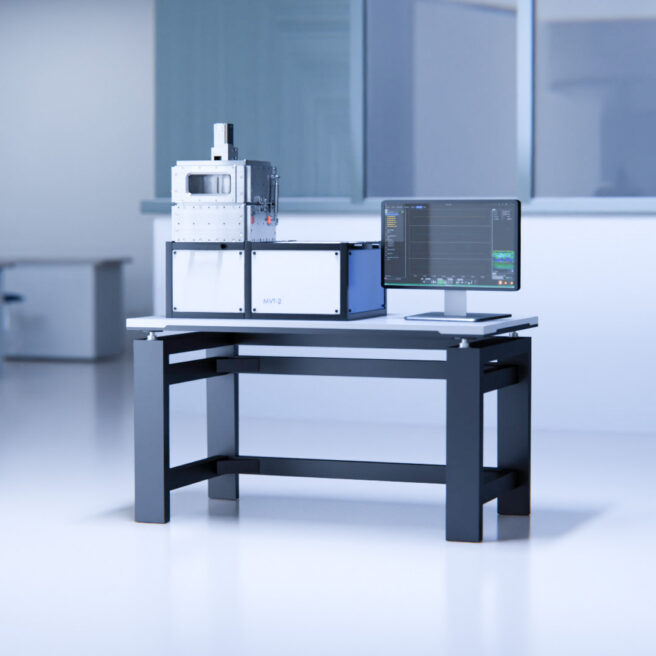
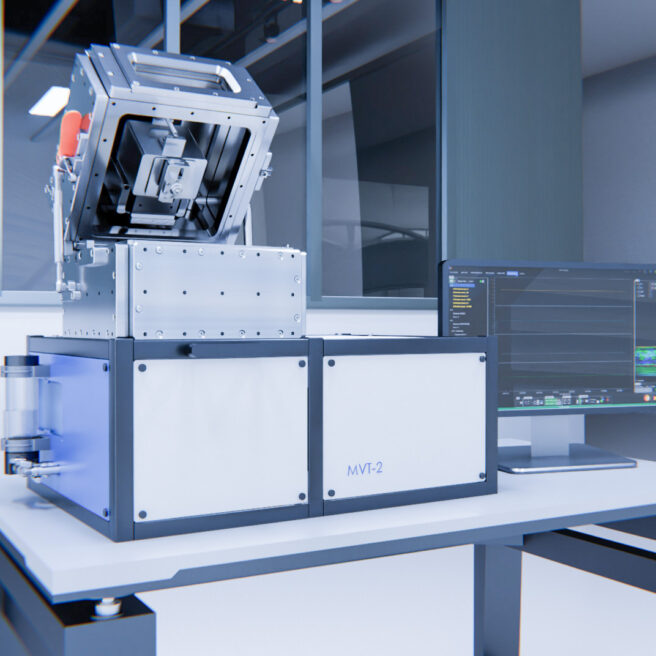
The Rtec-Instruments MVT-2 Vacuum Tribometer provides precise control of force, speed, and temperature for comprehensive analysis of material properties in vacuum. In addition, a unique system design incorporating patented force sensors delivers exceptional measurement accuracy and repeatability.
An open-face chamber architecture improves usability by providing full visibility during sample changes. At the same time, multiple friction, lubrication, and wear test configurations—including pin-on-disc, ball-on-disc, and linear reciprocating tests—can be performed on the same platform.
Moreover, a modular system layout enables indentation, scratch, and tribology testing without changing instruments. Multiple standard vacuum chamber configurations are available to accommodate a wide range of applications.
| Rotation speed | up to 2500 rpm |
|---|---|
| Maximum torque | 2.25 Nm |
| Load range | 0.1 up to 200 N (active loading) |
| Friction force | 0.1 up to 200 N (capactitive sensors) |
| Temperature range | -150°C up to 1000°C (with additional chambers) |
| Vacuum range | down to 5 x 10⁻⁷ |