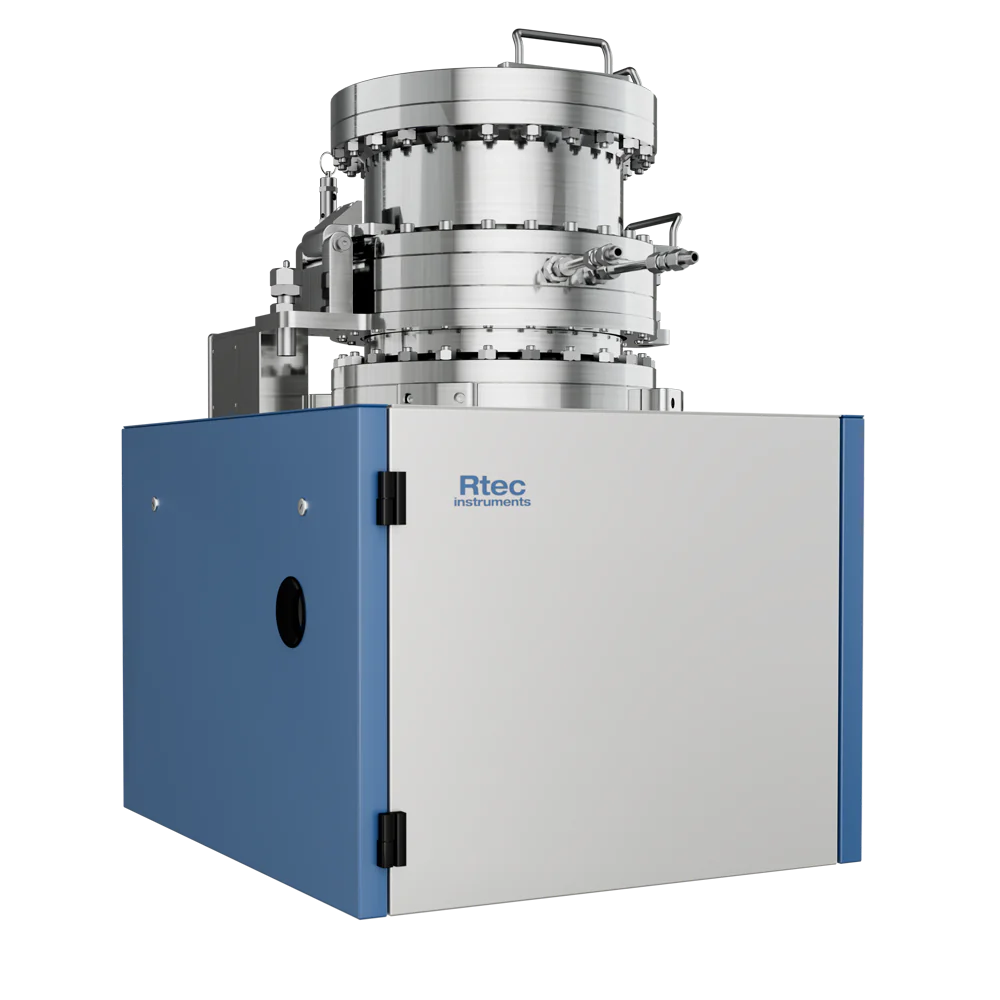
High Pressure Tribometer

HPT-2 High Pressure - Real Tribology Insights

The HPT-2 High Pressure Tribometer is designed to investigate friction and wear behavior under controlled high-pressure conditions representative of real mechanical systems such as gears, bearings, and heavily loaded lubricated contacts. The system enables researchers to study the performance of lubricants, additives, coatings, and engineering materials under elevated pressures that cannot be reproduced with conventional tribometers.

With precise closed-loop force control and advanced sensor integration, the HPT-2 continuously measures friction, torque, and wear signals during the test.
The controlled pressurized environment allows detailed investigation of lubrication mechanisms, surface interactions, and material durability, making the HPT-2 a powerful tool for advanced tribology research and lubricant development.

KEY FEATURES
True High-Pressure Tribology Tester

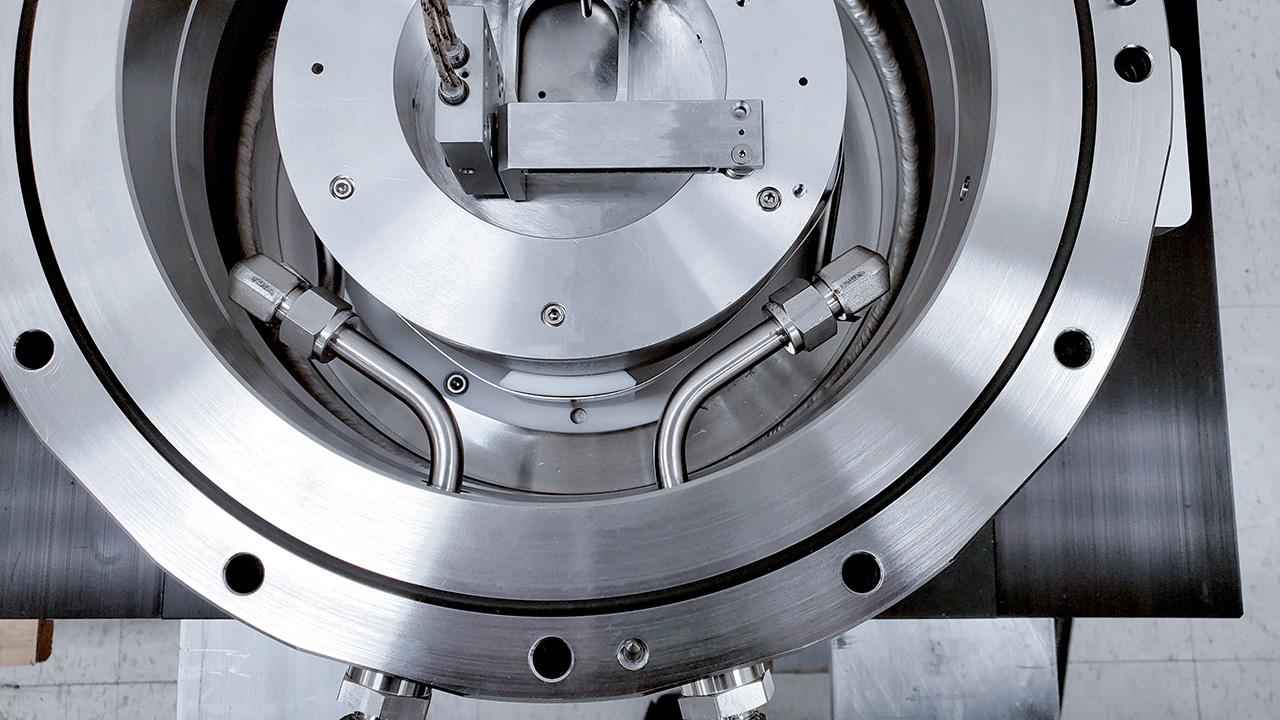
The HPT-2 enables tribological testing under controlled high-pressure conditions, allowing researchers to reproduce the extreme environments found in gears, bearings, hydraulic systems, and heavily loaded contacts. This capability provides more realistic evaluation of lubricant performance, surface interactions, and material durability compared to conventional tribometers operating at ambient pressure.
Precise Closed-Loop Force Control

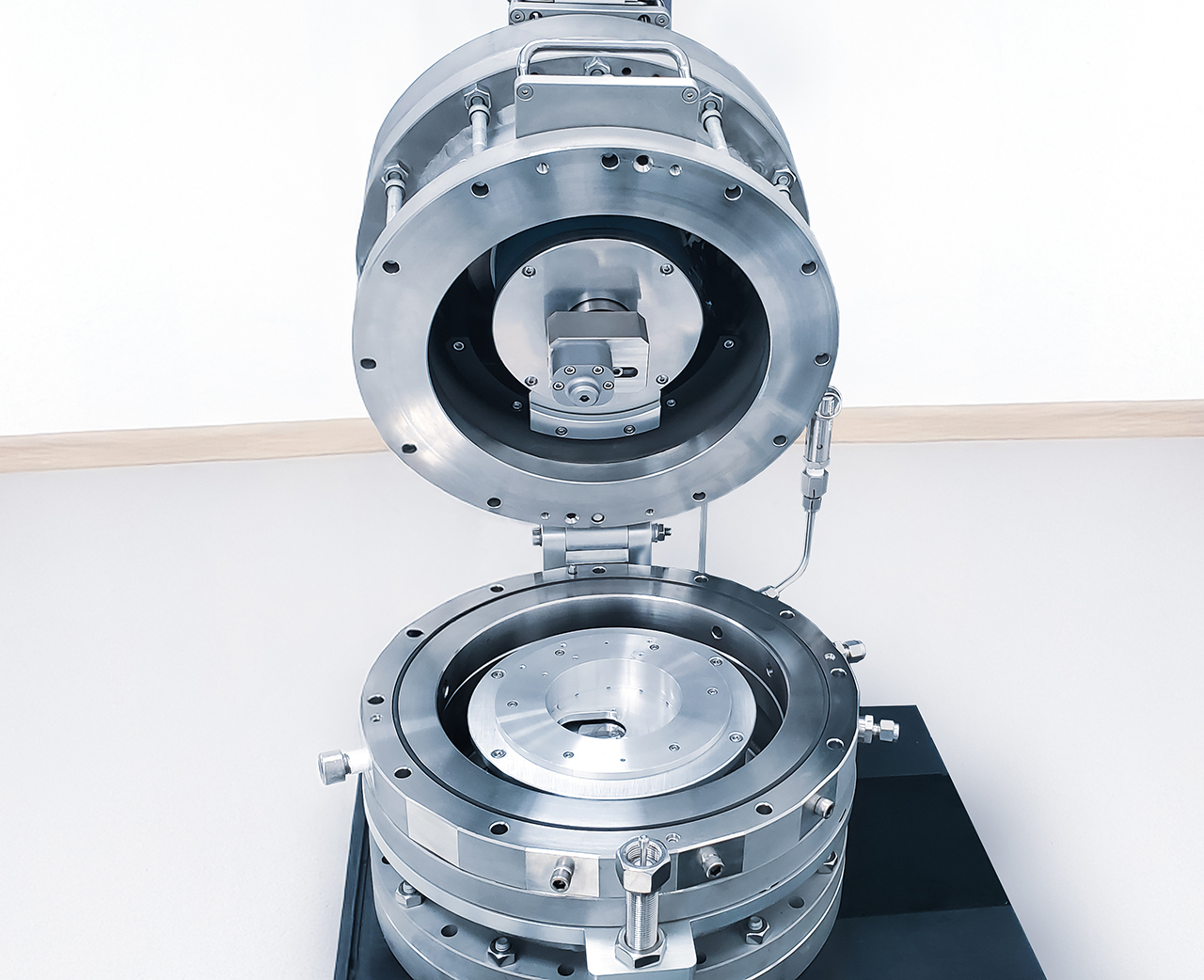
The system uses advanced closed-loop force control to apply highly stable and programmable loads during testing.
This ensures excellent repeatability and precise contact conditions throughout the experiment. Researchers can simulate real operating loads while maintaining accurate friction and wear measurements, enabling reliable comparison of materials, coatings, and lubricants.
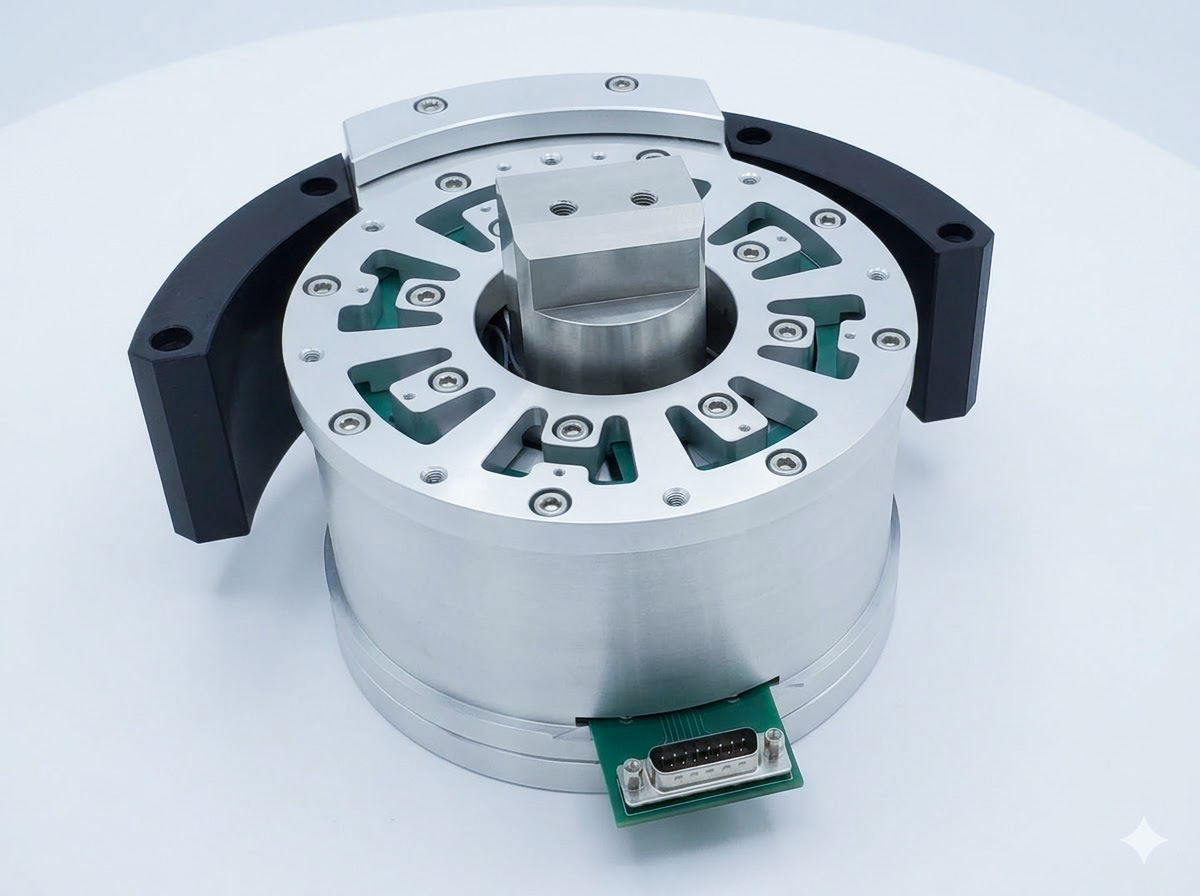
Integrated Multi-Sensor Monitoring

The HPT-2 integrates multiple high-precision sensors to continuously monitor friction, wear, and other tribological signals during testing.
Real-time data acquisition provides detailed insight into contact behavior, lubrication mechanisms, and surface interactions, allowing researchers to detect transitions, failures, and performance changes as they occur.
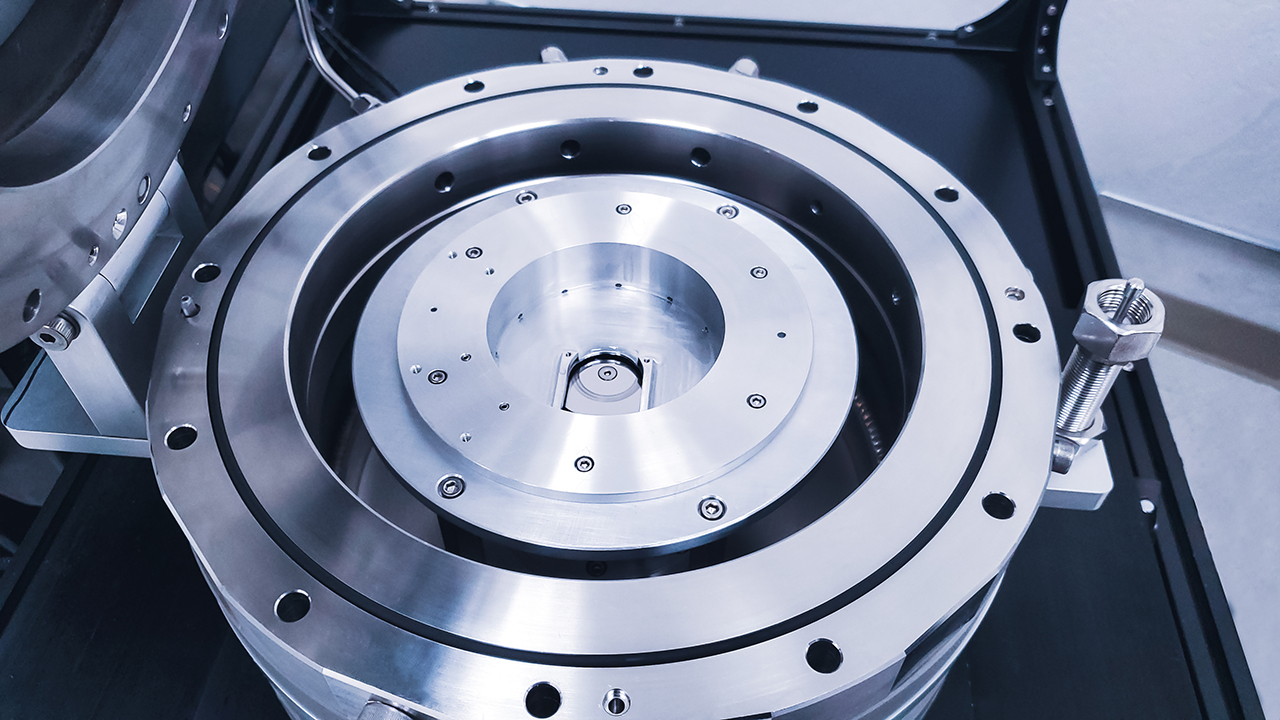
Wide Temperature Control (–50 °C to 180 °C)

The HPT-2 supports testing across a temperature range from –35 °C to 100 °C, enabling evaluation of friction and wear behavior under both cold and elevated temperature conditions. This capability is essential for studying lubricant viscosity changes, thermal effects on materials, and tribological performance in realistic operating environments.
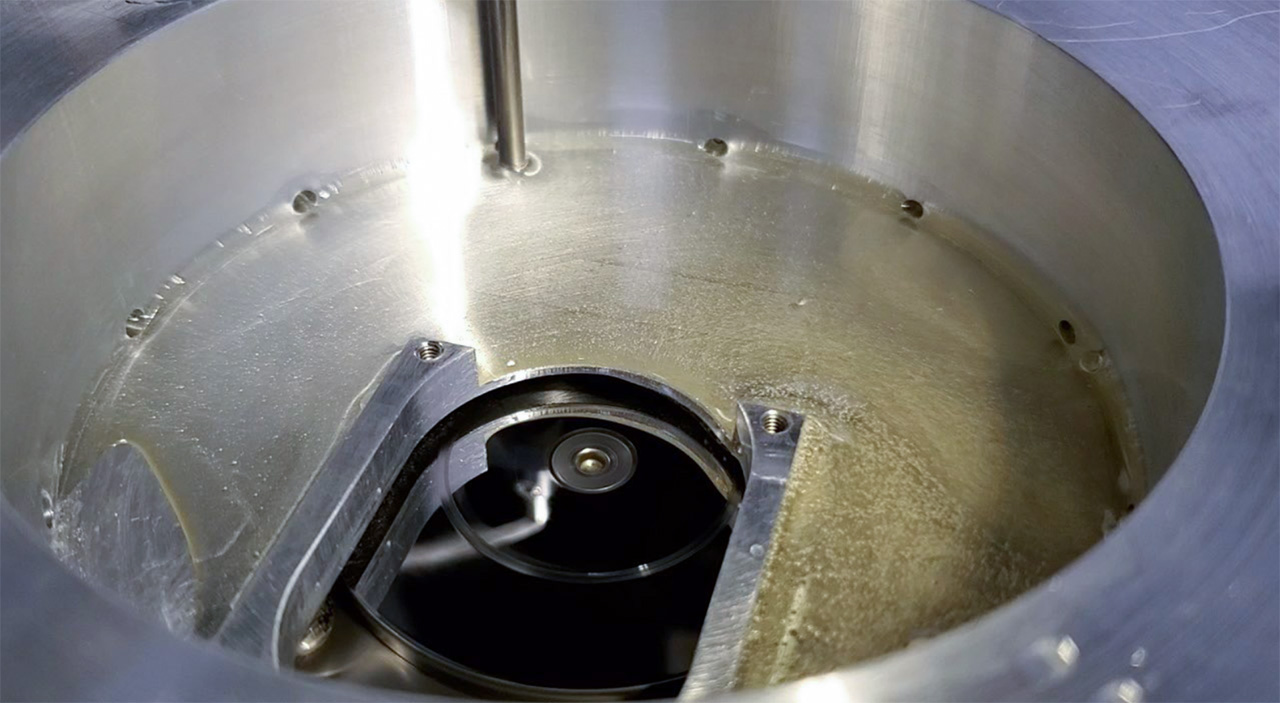
Designed for Severe Operating Conditions

Built for demanding research and industrial environments, the HPT-2 allows testing of lubricants, coatings, and materials under severe mechanical and environmental conditions. Its robust design supports advanced tribology studies aimed at improving durability, reducing friction losses, and optimizing performance of components operating under extreme pressure and load.

More about

High Pressure Tribometer Features
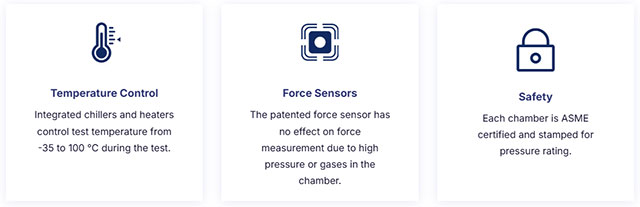
Real-time programmable force control, patented capacitive sensors to measure friction, in-line total wear scar depth, and temperature. The ease of use and safe operations makes this tester highly reliable and repeatable.
High-Pressure Tribometer key features: integrated temperature control from -35 to 100°C, patented force sensor unaffected by chamber pressure or gases, and ASME-certified pressure-rated safety chambers
High Pressure Tribometer (HPT-2) chamber for friction and wear testing under controlled high-pressure gas environments

The High Pressure Tribometer Solution

The high pressure tribometer is used across a wide range of industries that use high pressure environments:
  • Compressor
  • Refrigerant
  • Aerospace
  • Seals
  • Lubricants
  • High Pressure Coatings
  • Linear and Rings
  • Turbines
Max pressureUp to 200 PSI
Max loadUp to 2000 N

Frequently Asked Questions

A High Pressure Tribometer is a laboratory instrument used to measure friction, wear, and lubrication performance while materials are exposed to elevated gas pressures. It simulates real operating environments found in compressors, hydrogen systems, refrigeration equipment, and high-pressure mechanical components.
Many engineering components operate under pressurized gases where friction and wear behavior differs significantly from atmospheric conditions. High-pressure testing allows engineers to evaluate coatings, lubricants, and materials under realistic service environments, leading to more reliable product design.
Typical applications include: - Hydrogen compressors - CO₂ compressors - Refrigeration compressors - Natural gas compressors - Seals and valve materials - Bearings - Aerospace components - Energy systems - Industrial lubricants - Surface coatings
The HPT-2 can evaluate: - Steel - Stainless steel - Titanium alloys - Aluminum alloys - Ceramics - Polymers - Composite materials - DLC coatings - PVD coatings - CVD coatings - Solid lubricants
The HPT-2 supports several standard configurations, including: - Ball-on-disc - Pin-on-disc - Lubricated friction tests - Dry sliding wear tests
Yes. The HPT-2 is designed for controlled gas environments and can evaluate material performance in gases such as hydrogen, nitrogen, carbon dioxide, helium, argon, and refrigerants, depending on the selected configuration and safety requirements.
The HPT-2 continuously measures: - Coefficient of friction (CoF) - Friction force - Normal load - Sliding speed - Sliding distance - Test duration - Chamber pressure - Temperature (optional) - Wear depth (optional configurations) These parameters help engineers understand material performance under realistic operating conditions.
Gas pressure influences surface chemistry, lubricant film formation, oxidation, and contact mechanics. Testing under controlled pressure provides valuable insight into how materials will perform in compressors, hydrogen systems, and sealed mechanical assemblies.
The HPT-2 combines: - High-load capability - Accurate friction measurement - Controlled gas pressure environment - Modular test configurations - Automated software - Real-time data acquisition - Excellent repeatability It is suitable for both industrial R&D and academic research.
By reproducing real operating conditions, the HPT-2 enables engineers to: - Select better materials - Compare protective coatings - Develop improved lubricants - Reduce wear - Lower friction losses - Increase component lifetime - Validate products before field testing This results in lower maintenance costs, improved efficiency, and greater product reliability.

Ready to take your tribology
research to the next level?

Discover Rtec Instruments' cutting-edge solutions and see how our technology can empower your work.

Contact our experts