真空摩擦磨损试验机

MVT-3.5 开尔文 液氦超低温摩擦磨损试验机

MVT-3.5K 超低温摩擦磨损试验机可在低至 3.5 K 的温度下进行摩擦、磨损、划痕和硬度测试。 其闭环液氦系统具有卓越的热稳定性且不消耗氦气,可对先进材料、超导界面、量子器件、航天应用及低温机械系统进行长时间的低温测试。

主要特点

最低可达3.5 K的超低温测试

可将温度控制在低至3.5 K,用于先进的摩擦学和力学表征。MVT-3.5K使研究人员能够再现极端的低温条件,并研究材料、涂层及界面在苛刻应用中的性能,包括量子技术、超导系统、空间环境以及先进的低温机械系统。
闭环力控制范围:mN 至 200 N

获得专利的电容式传感器可在从毫牛(mN)到200牛(N)的宽广范围内提供精确的闭环下压力控制。这种扩展的力测量能力支持纳米、微米和宏观尺度的表征,从而在单一的超低温测试平台内,为研究不同的材料、表面、涂层和接触条件提供了所需的灵活性。
纳米级减震

先进的纳米级减震技术可最大限度地降低接触界面处的机械噪声,从而实现高灵敏度的测量。该系统在测试过程中保持卓越的稳定性,为在测量精度尤为关键的超低温环境下进行可靠的摩擦、磨损、划痕和硬度表征提供了所需的受控机械环境。
卓越的热稳定性

在长达数小时或数天的运行过程中,可对长期低温实验进行精确的温度控制。卓越的热稳定性确保在整个延长测试周期内测试条件始终如一,从而帮助研究人员准确评估材料、涂层和界面在暴露于超低温环境时,其摩擦、磨损及力学性能的变化情况。
综合力学表征

在单一的超低温平台上进行微观和宏观硬度、划痕、摩擦及磨损测试。这种集成化方法能够在相同的受控低温条件下,对材料、涂层及界面进行全面的力学和摩擦学表征,从而提供互补的信息,而无需依赖独立的测试系统。
实时表面温度反馈

在整个冷却过程及稳态运行期间,持续监测样品、载样台和冷却系统的温度。温度测量数据与摩擦、力和位置数据同步,从而为每次实验提供完整的热分布曲线,使研究人员能够将摩擦学和力学行为与测试过程中的实际温度条件直接关联起来。

更多相关信息

Pushing the Limits of Cryogenic Tribology

Understanding friction, wear, hardness, and scratch resistance at ultra-low temperatures is critical for next-generation technologies, from superconducting materials and quantum devices to space exploration and cryogenic mechanical systems.

Conventional tribometers cannot reproduce these extreme operating conditions, while traditional cryogenic systems can be limited by helium consumption, temperature stability, and measurement constraints.

The MVT-3.5K Ultra-Low Temperature Tribometer brings controlled tribological and mechanical testing down to 3.5 K, allowing researchers to characterize materials, coatings, and interfaces under conditions approaching their actual operating environment.

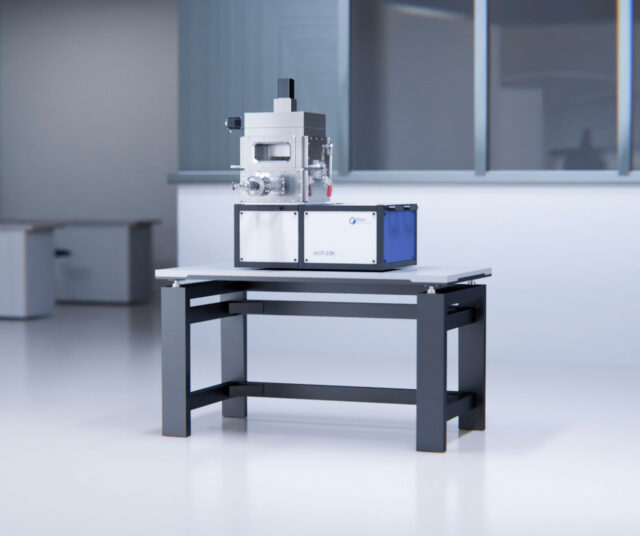
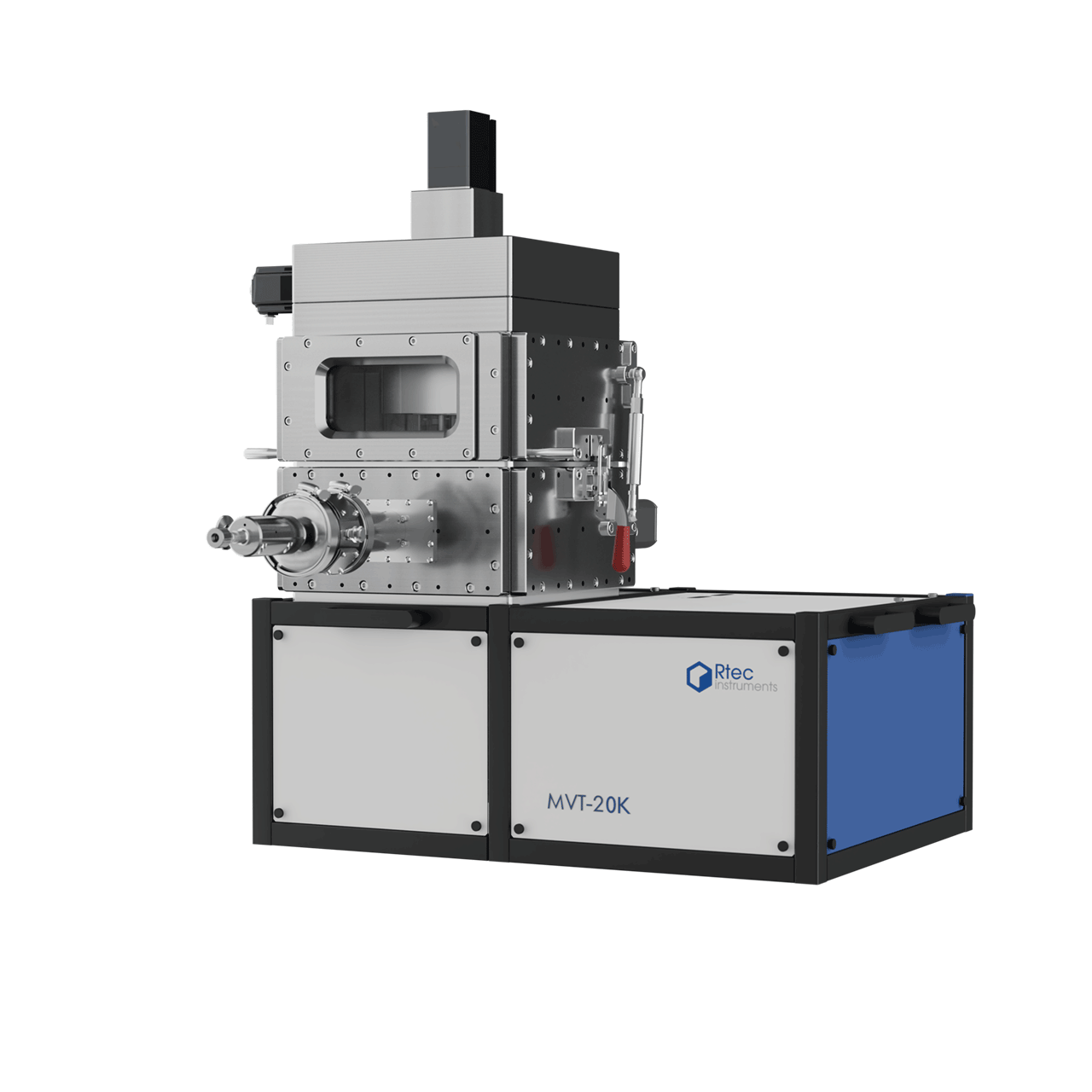
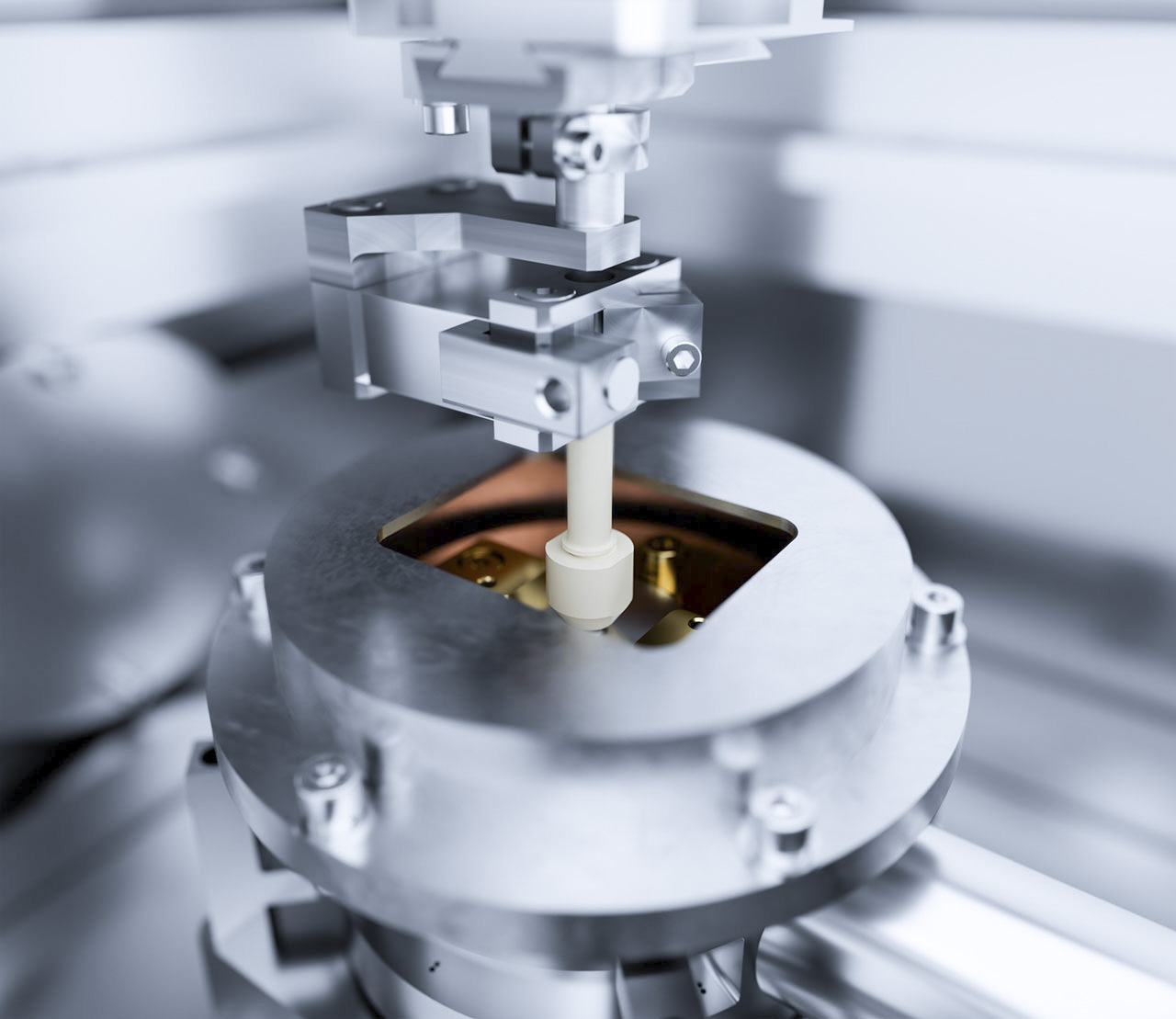
Rtec Instruments MVT-3.5 K Liquid Helium Tribometer in a laboratory
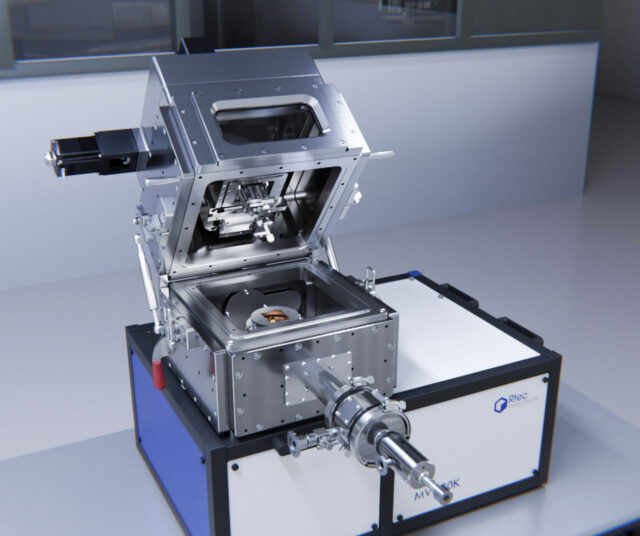
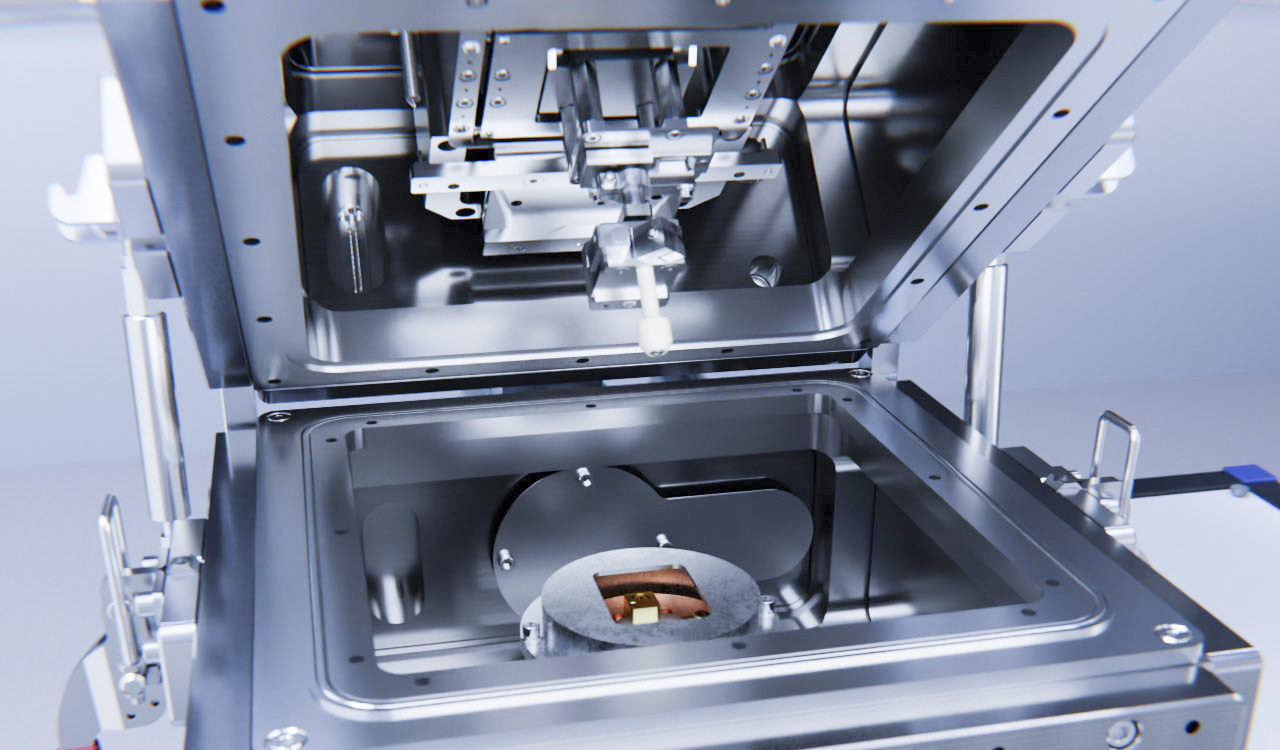
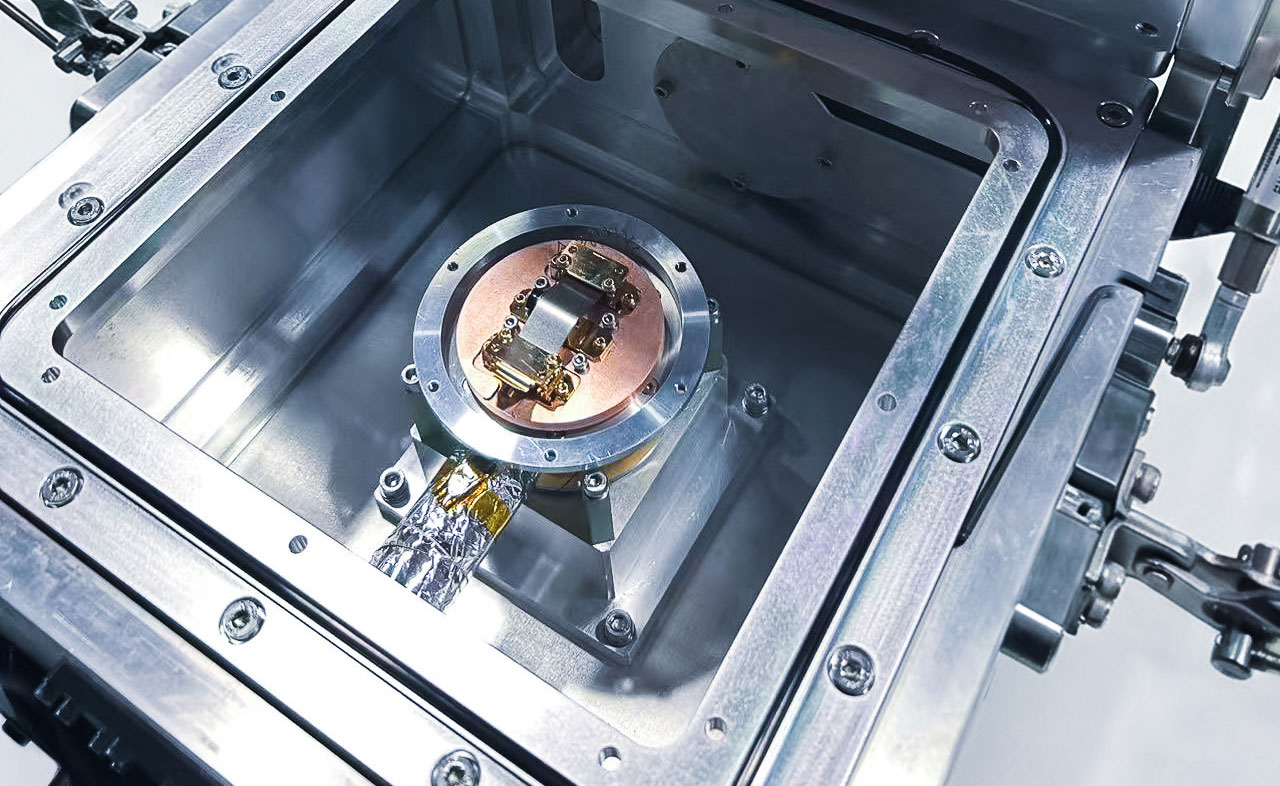
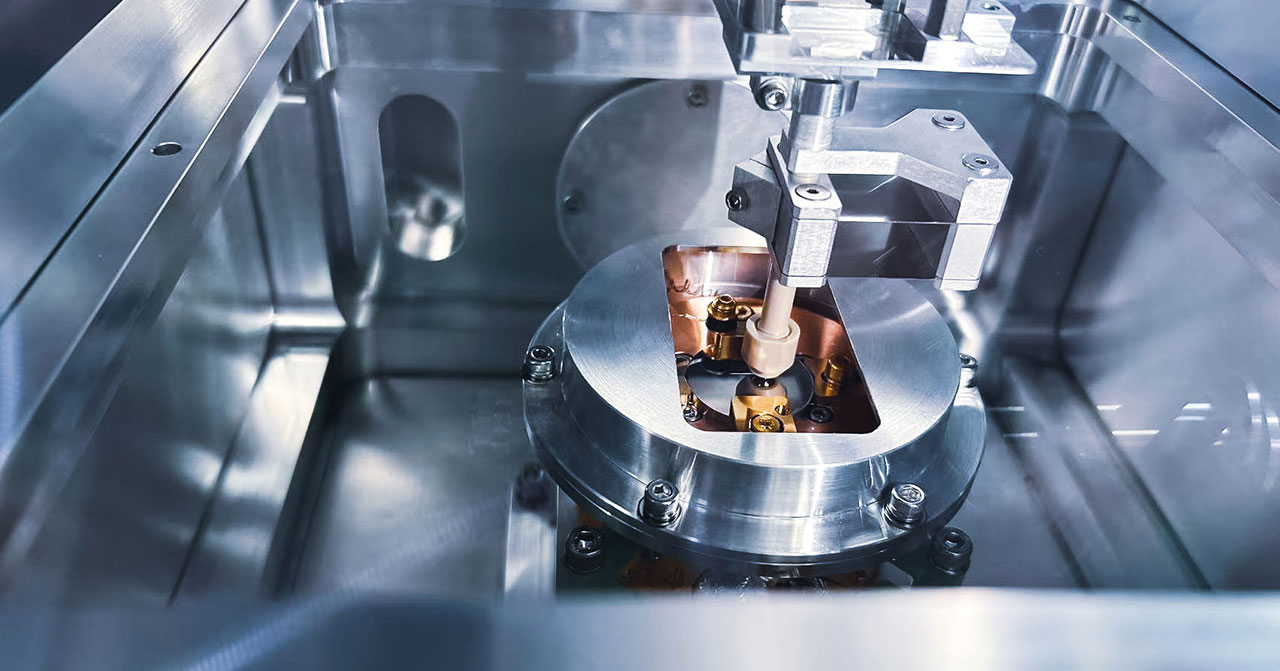
Open chamber of the MVT-3.5K Liquid Helium Ultra-Low-Temperature Tribometer

Closed-Loop Helium. Zero Consumption.

Ultra-low-temperature experiments can require long cooling and testing cycles. The MVT-3.5K uses a closed-loop liquid-helium system in which helium is fully contained and continuously recirculated.

There is no helium loss and no refilling requirement, eliminating the interruptions and supply risks associated with consumable helium.

The system combines rapid, controlled cooldown from ambient conditions with stable temperature control throughout extended test cycles. This enables long-duration experiments at ultra-low temperatures while maintaining the thermal stability required for reliable tribological measurements.

Accurate Data with a Complete Thermal Profile

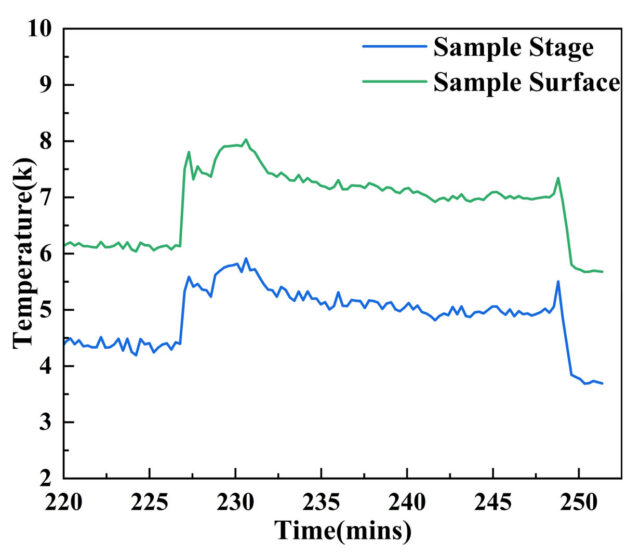
At ultra-low temperatures, knowing the temperature at the actual test location is critical. The MVT-3.5K continuously records temperatures throughout cooldown and steady-state operation, including the sample, stage, and cooling system.

Temperature measurements are synchronized with friction, force, and position data, providing a complete picture of both thermal and tribological behavior throughout the experiment.

Integrated software provides real-time monitoring, data visualization, thermal profiling, and tribological analysis, helping researchers correlate changes in material behavior directly with temperature.

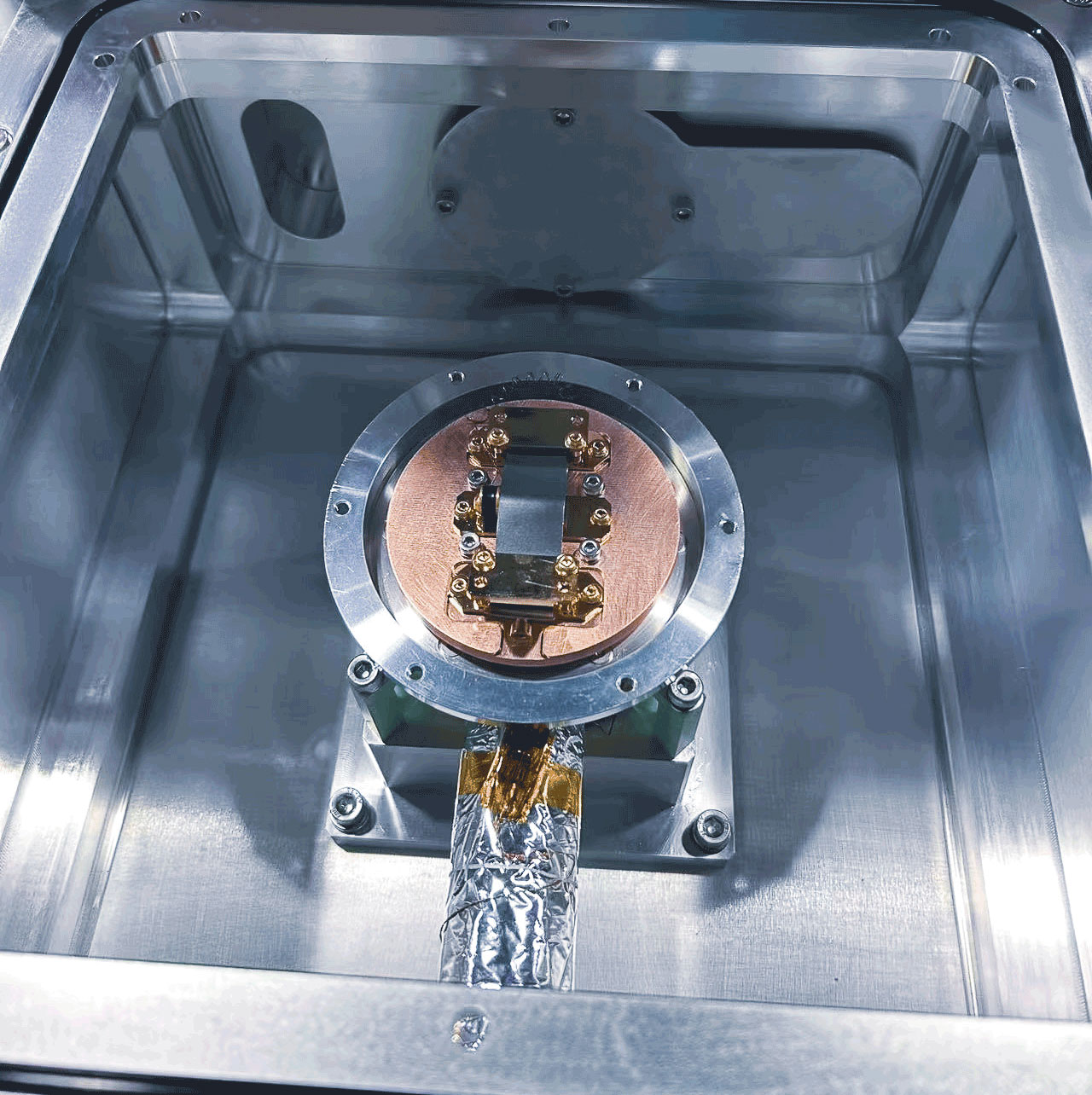
Sample stage and sample surface temperature data during ultra-low-temperature testing
Quantum computing device environment for MVT-3.5K ultra-low-temperature tribology testing

应用

  • 面向量子前沿的摩擦学 MVT-3.5K 设备可在极端低温条件下,对摩擦、磨损、硬度、抗划伤性以及材料相互作用进行精确表征通过再现超低温环境,研究人员能够对材料、涂层、接触面和界面进行评估——在这些情况下,传统的摩擦学测试无法再现实际的工作条件。
  • 外层空间环境
    评估适用于真空机构、卫星、火星车及其他暴露于极端低温环境中的系统的材料和接口。
  • 量子计算设备环境
    研究在量子技术相关超低温条件下运行的定位系统和接口中的摩擦学行为。
  • 超导材料界面
    在与超导系统相关的低温条件下,对薄膜、电接触、涂层及界面进行表征。
  • 低温机械系统
    研究在极端低温条件下运行的密封件和执行器等部件的摩擦与磨损问题。

Synchronized Thermal and Tribological Data

The MVT-3.5K software provides continuous control and monitoring throughout the experiment, combining thermal and mechanical measurements within a single test environment.

  • Real-time monitoring of sample, stage, and cooling-system temperatures
  • Synchronized friction, force, position, and temperature acquisition
  • Integrated data visualization
  • Thermal profiling
  • Tribological analysis
  • Windows-based, recipe-driven platform
  • Standard and fully customizable test programs
  • Material library with 500+ entries
  • Binary / ASCII data export
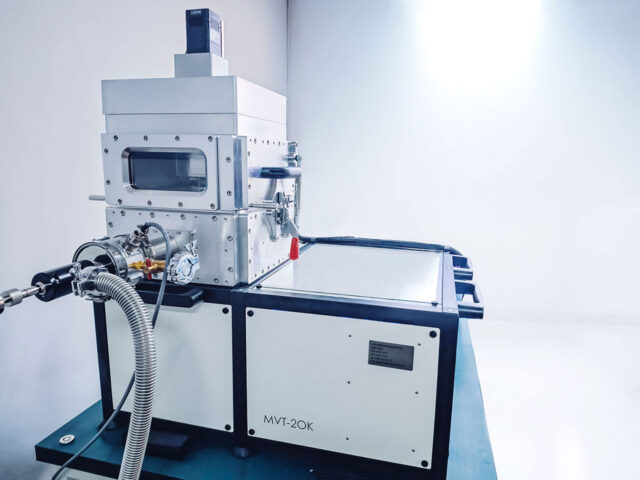
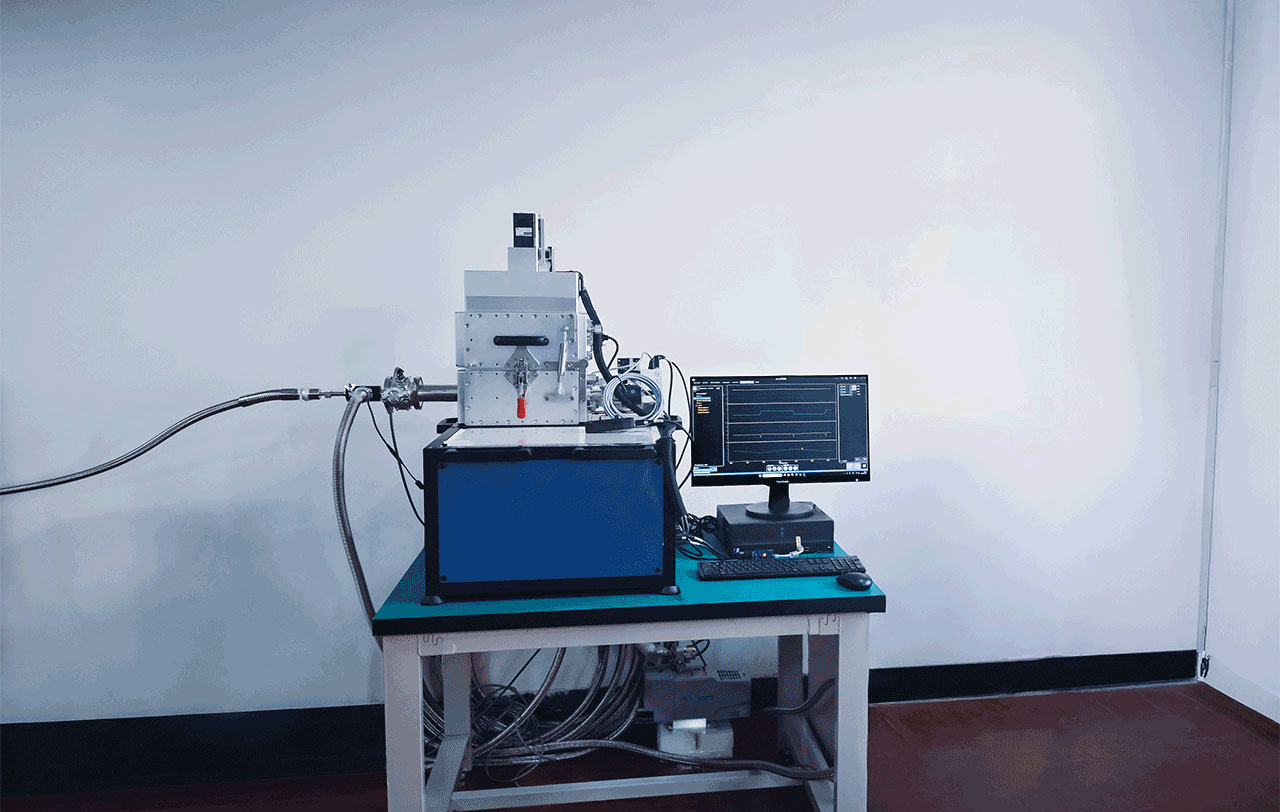
MVT-20K Liquid Helium Vacuum Tribometer with vacuum connection
最低温度:降至 3.5 K
预冷至 100 K:约1.5小时
样品表面的10 K:< 5小时
作用范围:mN 至 200 N
氦系统:闭环/循环
平台窗口:基于食谱的
测试程序:标准食谱,且完全可自定义
材料库:500+
数据导出:二进制 / ASCII

常见问题解答

超低温摩擦磨损试验机可在极端低温条件下测量摩擦、磨损及其他机械表面性能。MVT-3.5K型试验机将测试温度下限扩展至3.5 K,从而能够在常规摩擦磨损试验机无法达到的条件下对材料和界面进行研究。
MVT-3.5K 可实现最低至 3.5 K 的受控测试。
该系统可在约1.5小时内将样品预冷至100 K,并在不到5小时内使样品表面温度降至10 K。
该系统采用闭环液氦设计。氦气完全封闭并持续循环,因此在正常运行期间氦气消耗量为零,且无需补充氦气。
MVT-3.5K 支持在极端低温条件下进行摩擦、磨损、划痕、微硬度及宏观硬度测试。
该仪器采用专利电容式传感器技术,可在从毫牛(mN)到200牛(N)的宽广范围内实现闭环下压力控制。
是的。在整个冷却过程和稳态运行期间,系统会持续记录关键位置(包括样品、样品台和冷却系统)的温度。
是的。温度、摩擦、力和位置数据是同步采集的,从而能够将摩擦学行为与热条件直接关联起来。
是的。闭环氦循环系统和出色的热稳定性旨在确保在数小时或数天的运行过程中保持精确的温度控制,从而支持长时间的低温实验。
典型应用包括量子计算设备环境、超导材料界面、外层空间环境以及低温机械系统。
MVT-3.5K 专为在超低温条件下表征超导材料界面(包括薄膜和电接触)而设计。
在极低温条件下,仅凭冷却系统的温度并不一定能准确反映测试接触点的实际状况。监测样品表面温度可直接提供摩擦学相互作用发生处的热学信息。

准备好将您的摩擦学
研究提升到一个新高度了吗?

了解 Rtec Instruments 的尖端解决方案,探索我们的技术如何助力您的工作。

联系我们的专家