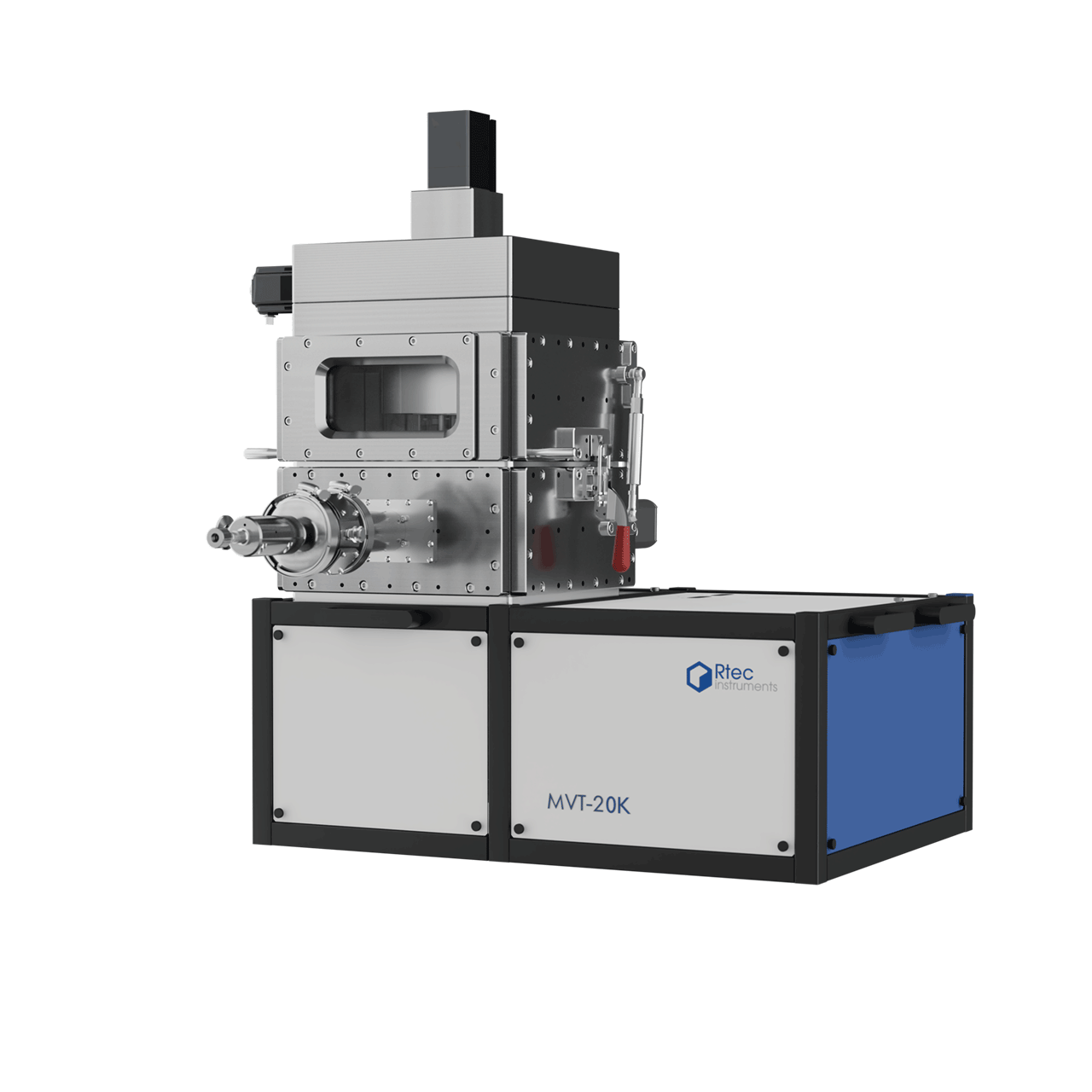
Tribomètre sous vide
MVT-3,5 Kelvin Tribomètre à très basse température fonctionnant à l'hélium liquide
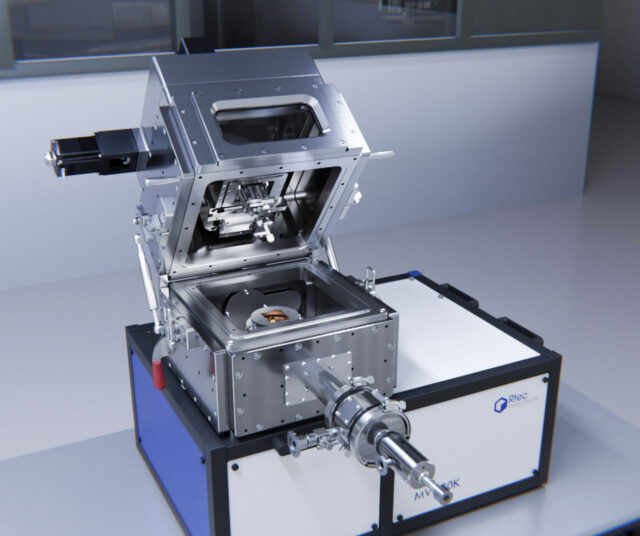
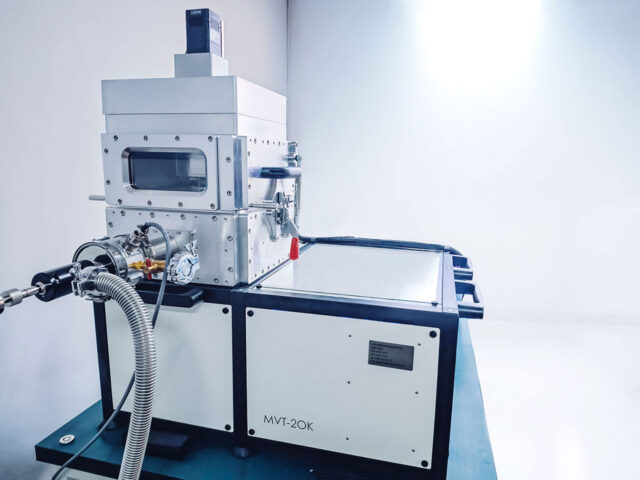
Le tribomètre à très basse température MVT-3.5K permet de réaliser des essais de frottement, d’usure, de rayure et de dureté à des températures pouvant descendre jusqu’à 3,5 K. Son système à hélium liquide en boucle fermée offre une stabilité thermique exceptionnelle sans aucune consommation d’hélium, ce qui permet de réaliser des essais cryogéniques de longue durée sur des matériaux avancés, des interfaces supraconductrices, des dispositifs quantiques, des applications spatiales et des systèmes mécaniques cryogéniques.
CARACTÉRISTIQUES PRINCIPALES
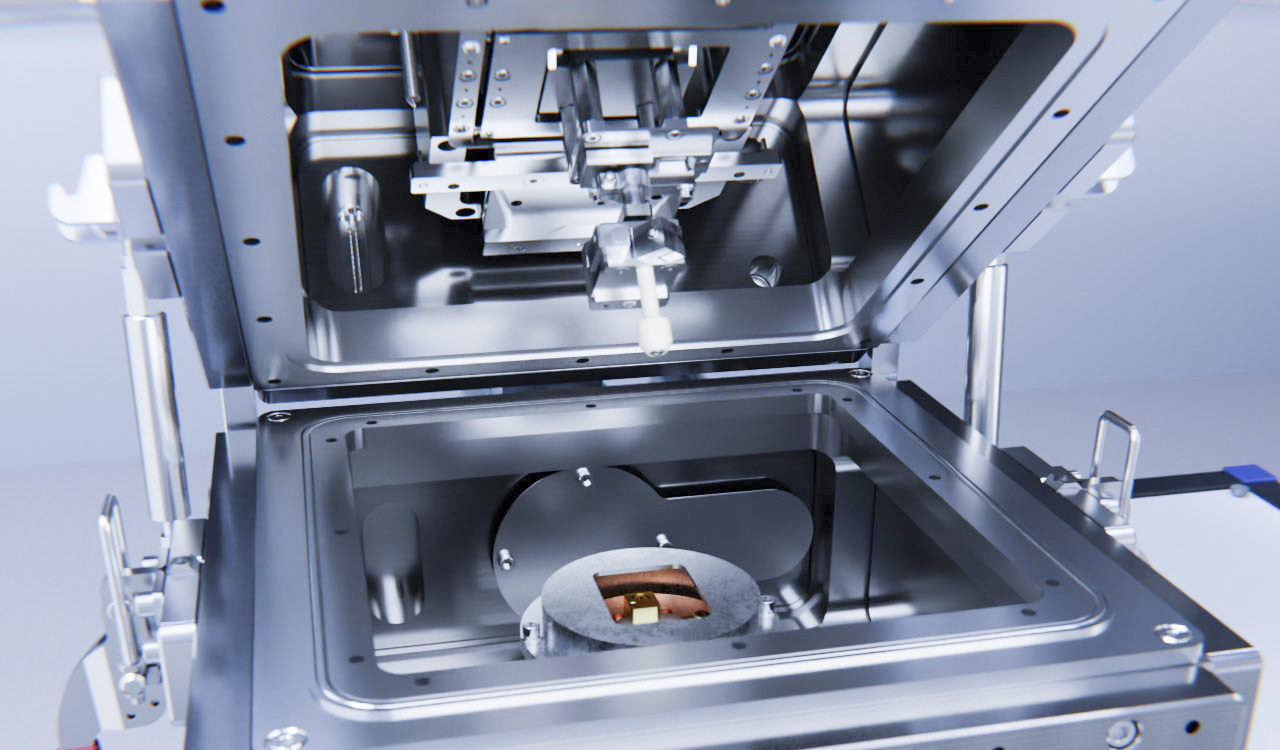
Essais à très basse température jusqu'à 3,5 K
Atteignez des températures contrôlées allant jusqu'à 3,5 K pour une caractérisation tribologique et mécanique de pointe. Le MVT-3,5K permet aux chercheurs de reproduire des conditions cryogéniques extrêmes et d'étudier les performances des matériaux, des revêtements et des interfaces destinés à des applications exigeantes, notamment les technologies quantiques, les systèmes supraconducteurs, les environnements spatiaux et les systèmes mécaniques cryogéniques de pointe.
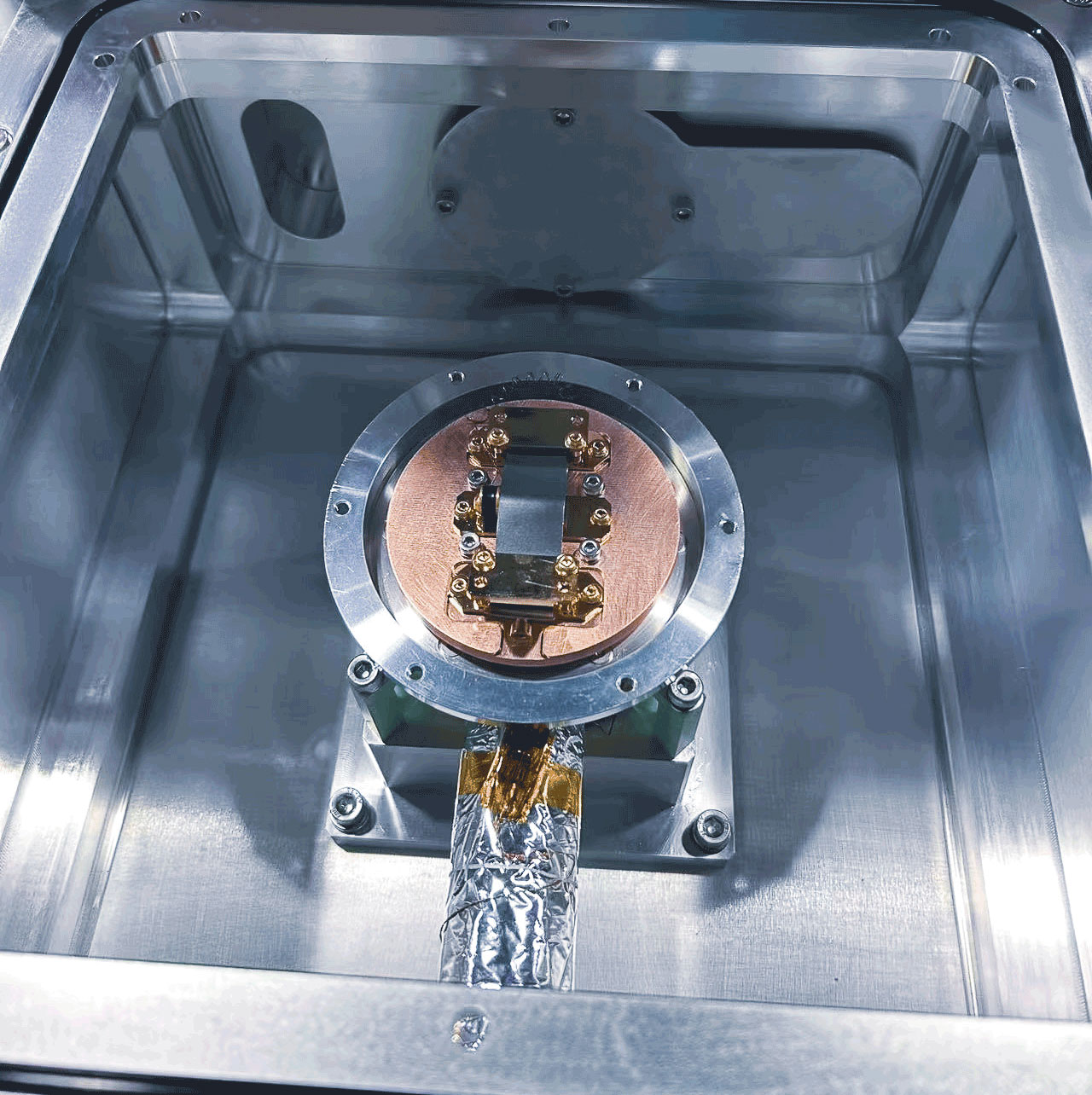
Contrôle de force en boucle fermée de mN à 200 N
Des capteurs capacitifs brevetés permettent un contrôle précis de la force d'appui en boucle fermée sur une large plage allant de mN à 200 N. Cette plage de force étendue permet la caractérisation à l'échelle nano, micro et macro, offrant ainsi la flexibilité nécessaire pour étudier différents matériaux, surfaces, revêtements et conditions de contact au sein d'une même plateforme d'essai à très basse température.
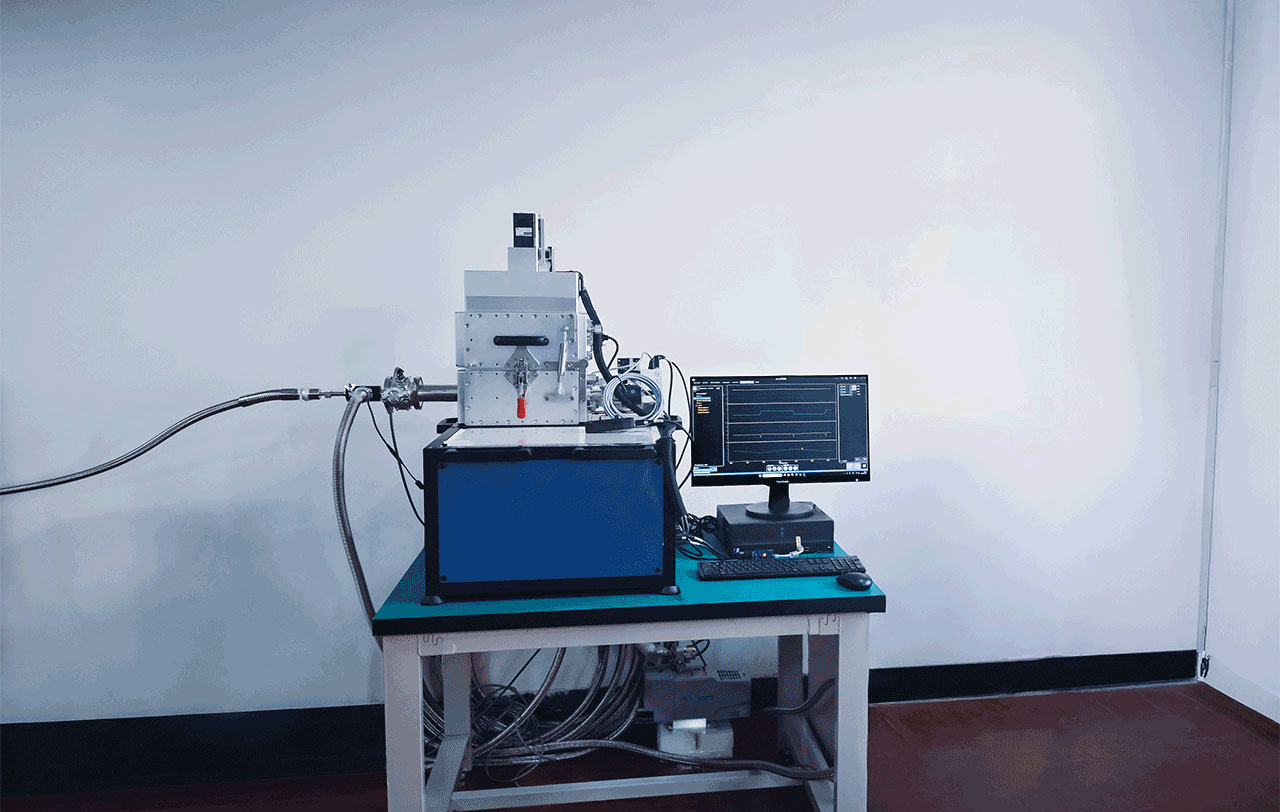
Isolation vibratoire à l'échelle nanométrique
Une isolation vibratoire avancée à l'échelle nanométrique réduit au minimum le bruit mécanique au niveau de l'interface de contact, permettant ainsi des mesures de haute sensibilité. En garantissant une stabilité exceptionnelle tout au long des essais, le système offre l'environnement mécanique contrôlé nécessaire à une caractérisation fiable du frottement, de l'usure, des rayures et de la dureté à des températures ultra-basses, où la précision des mesures revêt une importance particulière.
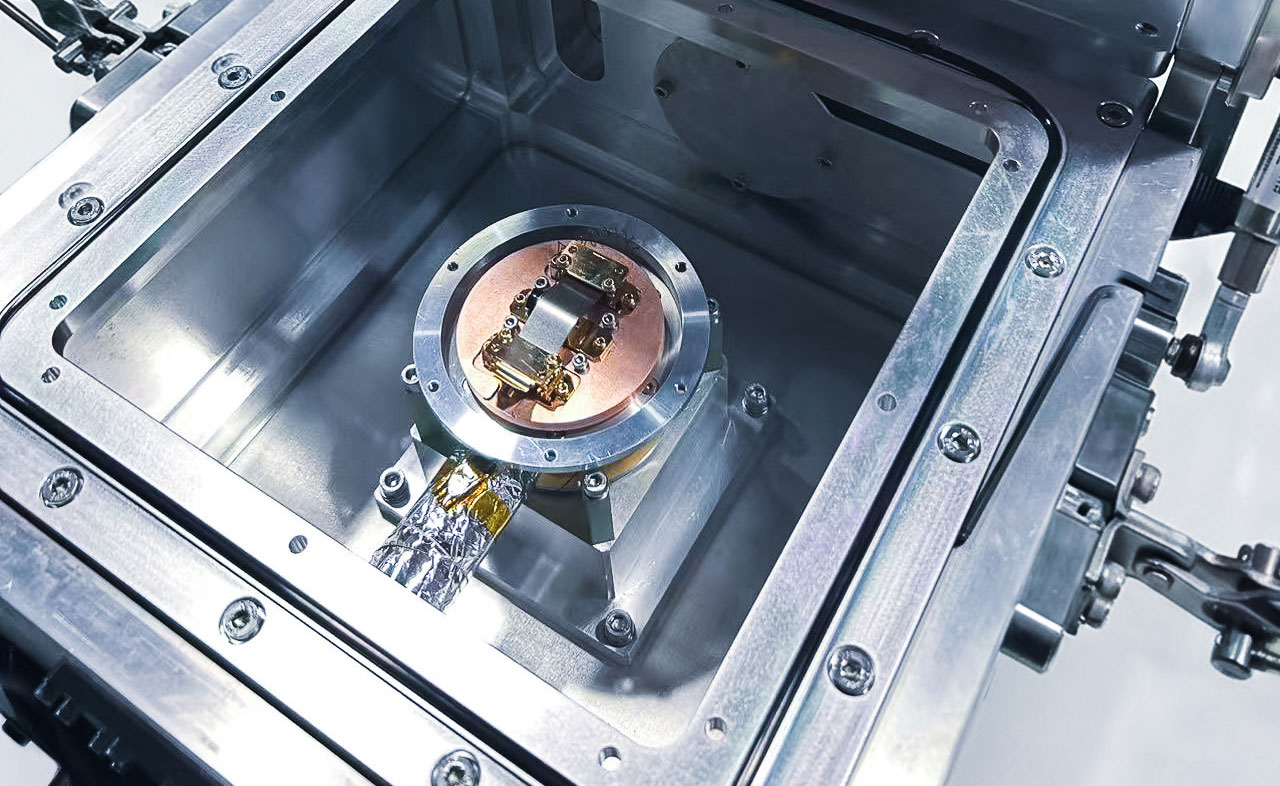
Stabilité thermique exceptionnelle
Assurez un contrôle précis de la température pendant des heures, voire des jours, pour les expériences cryogéniques de longue durée. Une stabilité thermique exceptionnelle garantit des conditions d'essai constantes tout au long de cycles d'essai prolongés, ce qui permet aux chercheurs d'évaluer avec précision les variations de frottement, d'usure et de propriétés mécaniques lorsque les matériaux, les revêtements et les interfaces sont exposés à des températures ultra-basses.
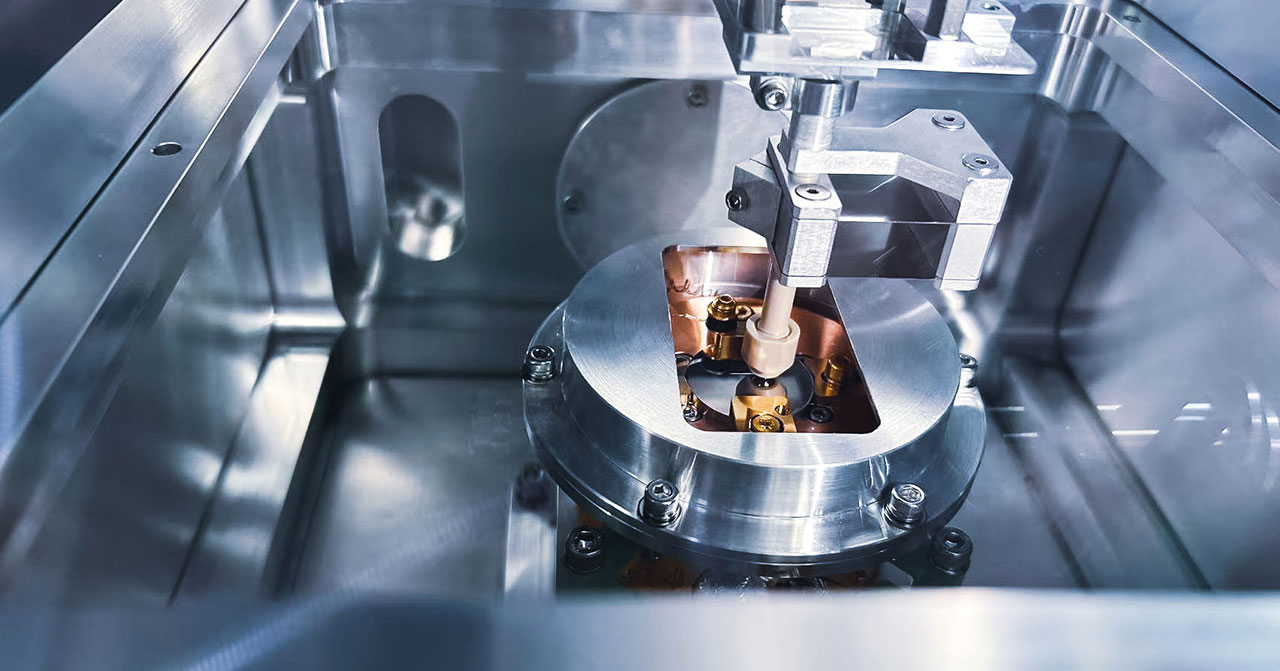
Caractérisation mécanique intégrée
Réalisez des essais de dureté micro et macro, de rayure, de frottement et d'usure au sein d'une même plateforme à ultra-basse température. Cette approche intégrée permet une caractérisation mécanique et tribologique complète des matériaux, des revêtements et des interfaces dans les mêmes conditions cryogéniques contrôlées, fournissant ainsi des informations complémentaires sans avoir recours à des systèmes d'essai distincts.
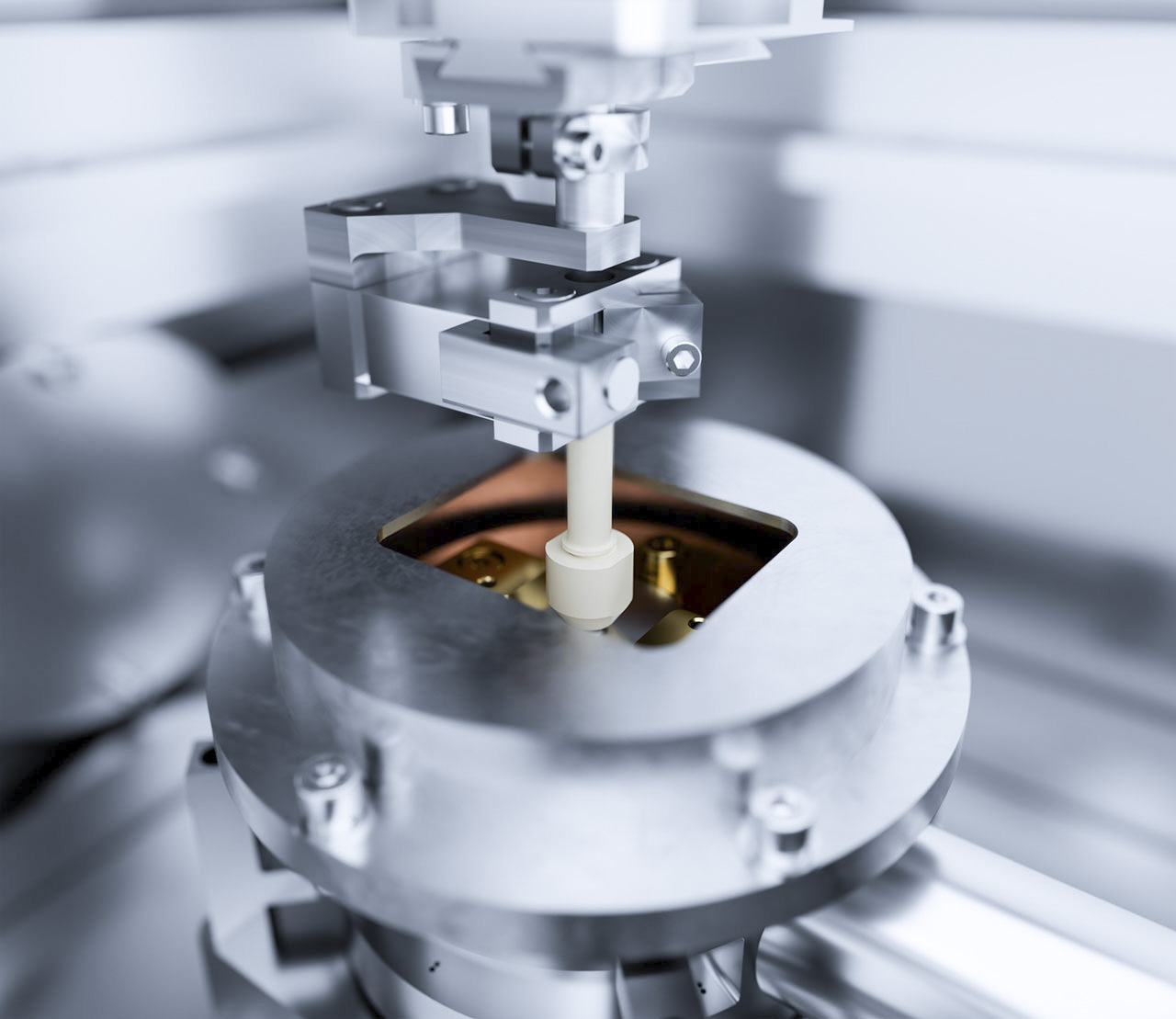
Retour d'information en temps réel sur la température de surface
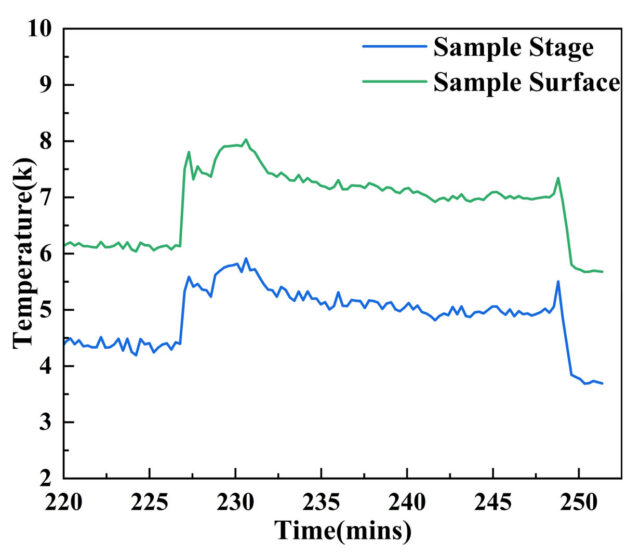
Surveillez en continu les températures de l'échantillon, de la platine et du système de refroidissement tout au long du refroidissement et du fonctionnement en régime permanent. Les mesures de température sont synchronisées avec les données relatives au frottement, à la force et à la position, ce qui fournit un profil thermique complet de chaque expérience et permet aux chercheurs d'établir une corrélation directe entre le comportement tribologique et mécanique et les conditions de température réelles observées pendant les essais.
En savoir plus sur
Repousser les limites de la tribologie cryogénique
Il est essentiel de bien comprendre les phénomènes de frottement, d’usure, de dureté et de résistance aux rayures à des températures extrêmement basses pour les technologies de nouvelle génération, qu’il s’agisse des matériaux supraconducteurs, des dispositifs quantiques, de l’exploration spatiale ou des systèmes mécaniques cryogéniques.
Les tribomètres classiques ne permettent pas de reproduire ces conditions de fonctionnement extrêmes, tandis que les systèmes cryogéniques traditionnels peuvent présenter des limites en termes de consommation d’hélium, de stabilité de la température et de contraintes de mesure.
Le tribomètre à très basse température MVT-3.5K permet de réaliser des essais tribologiques et mécaniques contrôlés jusqu’à 3,5 K, ce qui permet aux chercheurs de caractériser des matériaux, des revêtements et des interfaces dans des conditions proches de leur environnement de fonctionnement réel.
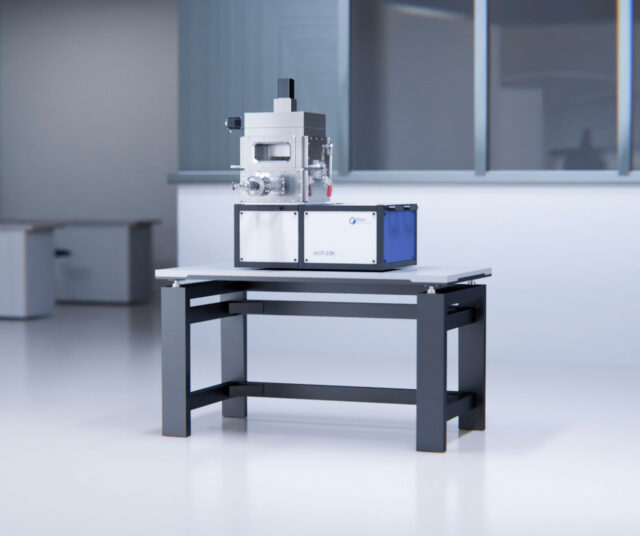
Hélium en circuit fermé. Consommation nulle.
Les expériences à très basse température peuvent nécessiter de longs cycles de refroidissement et d’essai. Le MVT-3,5 K utilise un système à hélium liquide en boucle fermée dans lequel l’hélium est entièrement confiné et recyclé en continu.
Il n’y a aucune perte d’hélium et aucun besoin de recharge, ce qui élimine les interruptions et les risques d’approvisionnement liés à l’hélium consommable.
Le système combine un refroidissement rapide et contrôlé à partir de la température ambiante avec un contrôle stable de la température tout au long de cycles d’essai prolongés. Cela permet de mener des expériences de longue durée à des températures ultra-basses tout en conservant la stabilité thermique nécessaire à la fiabilité des mesures tribologiques.
Des données précises accompagnées d’un profil thermique complet
Aux très basses températures, il est essentiel de connaître la température à l’endroit exact où se déroule l’essai. Le MVT-3,5 K enregistre en continu les températures tout au long de la phase de refroidissement et du fonctionnement en régime permanent, notamment celles de l’échantillon, de la platine et du système de refroidissement.
Les mesures de température sont synchronisées avec les données relatives au frottement, à la force et à la position, ce qui permet d’obtenir une vue d’ensemble complète du comportement thermique et tribologique tout au long de l’expérience.
Ce logiciel intégré permet la surveillance en temps réel, la visualisation des données, l’établissement de profils thermiques et l’analyse tribologique, aidant ainsi les chercheurs à établir un lien direct entre les variations du comportement des matériaux et la température.

Applications
- La tribologie à la frontière du quantique : le MVT-3.5K permet une caractérisation précise du frottement, de l’usure, de la dureté, de la résistance aux rayures et des interactions entre matériaux dans des conditions cryogéniques extrêmes. En recréant des environnements à très basse température, les chercheurs peuvent évaluer des matériaux, des revêtements, des contacts et des interfaces pour lesquels les essais tribologiques classiques ne permettent pas de reproduire les conditions réelles de fonctionnement.
- Conditions spatiales
Évaluation des matériaux et des interfaces destinés aux mécanismes sous vide, aux satellites, aux rovers et à d’autres systèmes exposés à des environnements à très basse température. - Environnements des dispositifs informatiques quantiques
Étude du comportement tribologique des systèmes de positionnement et des interfaces fonctionnant aux températures ultra-basses associées aux technologies quantiques. - Interfaces des matériaux supraconducteurs
Caractérisez les films minces, les contacts électriques, les revêtements et les interfaces dans des conditions cryogéniques propres aux systèmes supraconducteurs. - Systèmes mécaniques cryogéniques
Étudiez le frottement et l’usure dans des composants tels que les joints d’étanchéité et les actionneurs conçus pour fonctionner dans des conditions cryogéniques extrêmes.
Données thermiques et tribologiques synchronisées
Le logiciel MVT-3.5K assure un contrôle et une surveillance continus tout au long de l’expérience, en combinant des mesures thermiques et mécaniques au sein d’un même environnement d’essai.
- Surveillance en temps réel des températures de l’échantillon, de la platine et du système de refroidissement
- Acquisition synchronisée des données relatives au frottement, à la force, à la position et à la température
- Visualisation intégrée des données
- Profilage thermique
- Analyse tribologique
- Plateforme sous Windows, basée sur des recettes
- Programmes de test standard et entièrement personnalisables
- Bibliothèque de matériaux comprenant plus de 500 entrées
- Exportation de données binaires / ASCII
| Température minimale : | Descendu à 3,5 K |
|---|---|
| Pré-refroidissement à 100 K : | environ 1 h 30 |
| 10 K à la surface de l'échantillon : | < 5 heures |
| Plage de force : | de mN à 200 N |
| Système Helium : | En boucle fermée / à recirculation |
| Plateformes Windows : | Basé sur des recettes |
| Programmes de test : | Recette standard et entièrement personnalisable |
| Bibliothèque de matériaux : | 500+ |
| Exportation des données : | Binaire / ASCII |